- English
- French
- German
- Portuguese
- Spanish
- Russian
- Japanese
- Korean
- Arabic
- Greek
- German
- Turkish
- Italian
- Danish
- Romanian
- Indonesian
- Czech
- Afrikaans
- Swedish
- Polish
- Basque
- Catalan
- Esperanto
- Hindi
- Lao
- Albanian
- Amharic
- Armenian
- Azerbaijani
- Belarusian
- Bengali
- Bosnian
- Bulgarian
- Cebuano
- Chichewa
- Corsican
- Croatian
- Dutch
- Estonian
- Filipino
- Finnish
- Frisian
- Galician
- Georgian
- Gujarati
- Haitian
- Hausa
- Hawaiian
- Hebrew
- Hmong
- Hungarian
- Icelandic
- Igbo
- Javanese
- Kannada
- Kazakh
- Khmer
- Kurdish
- Kyrgyz
- Latin
- Latvian
- Lithuanian
- Luxembou..
- Macedonian
- Malagasy
- Malay
- Malayalam
- Maltese
- Maori
- Marathi
- Mongolian
- Burmese
- Nepali
- Norwegian
- Pashto
- Persian
- Punjabi
- Serbian
- Sesotho
- Sinhala
- Slovak
- Slovenian
- Somali
- Samoan
- Scots Gaelic
- Shona
- Sindhi
- Sundanese
- Swahili
- Tajik
- Tamil
- Telugu
- Thai
- Ukrainian
- Urdu
- Uzbek
- Vietnamese
- Welsh
- Xhosa
- Yiddish
- Yoruba
- Zulu
Angle valve applications and common types
Have you ever experienced a burst pipe at 2 AM with water flooding your bathroom, desperately searching for a way to stop the flow without shutting down your entire home's water supply? Or perhaps you're a contractor frustrated by incompatible plumbing fixtures that create leak points in your installation? These scenarios highlight the critical importance of selecting the right angle valve solution. Understanding angle valve applications and common types, particularly the versatile Hot and Cold Universal Angle Valve, empowers both homeowners and professionals to make informed decisions that prevent costly water damage, ensure seamless installations, and provide reliable long-term performance in diverse plumbing environments.


Understanding Hot and Cold Universal Angle Valve Fundamentals
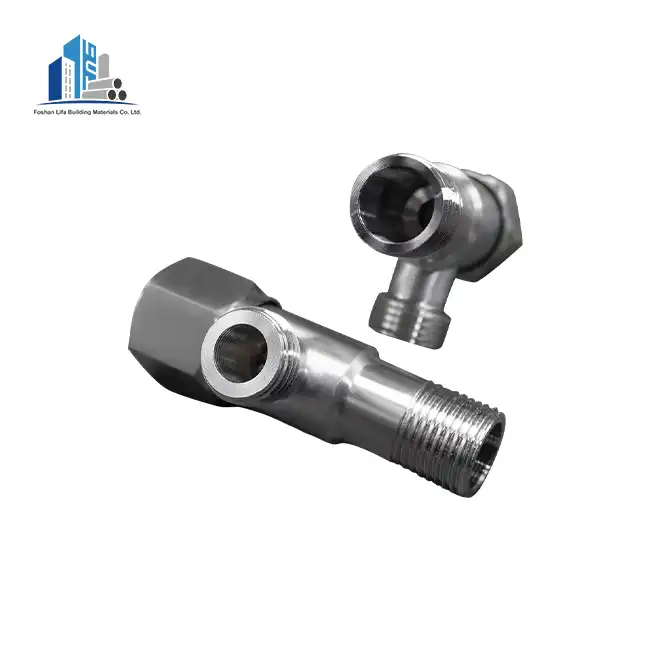
The Hot and Cold Universal Angle Valve represents a cornerstone component in modern plumbing systems, designed specifically to control water flow direction through a ninety-degree turn configuration. This innovative design addresses a fundamental challenge in residential and commercial plumbing where space constraints and directional flow requirements demand compact yet efficient solutions. Unlike traditional straight-line valves that require additional fittings and connections to achieve directional changes, the Hot and Cold Universal Angle Valve integrates this functionality into a single, streamlined component that minimizes potential leak points while maximizing installation efficiency. These valves excel in applications requiring simultaneous control of both hot and cold water supplies, making them indispensable for bathroom fixtures, kitchen installations, and appliance connections. The universal aspect of the Hot and Cold Universal Angle Valve design ensures compatibility across various pipe materials and connection standards, from copper and PVC to PEX and CPVC systems. This versatility eliminates the frustration of sourcing multiple specialized components for different applications, streamlining procurement processes for contractors and facility managers while reducing inventory complexity for distributors. Professional-grade Hot and Cold Universal Angle Valve models feature integrally cast brass construction with multi-layer electroplating that provides exceptional corrosion resistance and durability, ensuring consistent performance even in challenging water chemistry conditions that would degrade lesser materials over time.
-
Key Design Features That Set Quality Hot and Cold Universal Angle Valve Apart
Superior Hot and Cold Universal Angle Valve construction incorporates several critical design elements that differentiate professional-grade products from basic alternatives. The thickened main body construction provides structural integrity necessary to withstand operating pressures ranging from 0.05 to 0.8 MPa without risk of rupture or deformation, even during pressure surges common in municipal water systems. This robust construction becomes particularly important in high-rise buildings where water hammer effects can generate momentary pressure spikes significantly exceeding normal operating parameters, potentially causing catastrophic failures in inadequately designed valves. The unique water diverter design integrated into quality Hot and Cold Universal Angle Valve models serves multiple protective functions that extend beyond basic flow control. By intelligently managing pressure distribution within the valve body, this feature reduces stress concentrations on connected hoses and fixtures, preventing the premature failure of flexible connections that represents one of the most common causes of residential water damage. The serrated process design applied to threaded connections increases the friction coefficient between the valve body and sealing tape, creating a more secure mechanical seal that resists loosening from thermal expansion cycles and vibration. This engineering detail proves especially valuable in installations subject to temperature fluctuations, where conventional smooth threads might gradually work loose over months of service, creating slow leaks that often go undetected until significant damage occurs. Ergonomic considerations also distinguish premium Hot and Cold Universal Angle Valve designs, with comfortable insulated handle configurations that enable smooth rotation without requiring excessive force while protecting users from temperature extremes. This thoughtful design element addresses a frequent complaint about older valve styles where metal handles could become scalding hot when controlling hot water supplies, creating safety concerns particularly in households with children or elderly residents. The non-scalding handle design allows safe operation even when the valve controls water at ninety degrees Celsius, eliminating burn risks while maintaining the positive tactile feedback that professional installers rely upon to gauge proper valve positioning during installation and adjustment procedures.
Common Types of Angle Valves for Diverse Applications
-
Compression Angle Valves for Traditional Plumbing Systems
Compression-style angle valves remain among the most widely implemented designs in residential and light commercial applications, utilizing a compression nut mechanism to create watertight seals on copper and CPVC piping systems. The fundamental operating principle involves a brass compression ring that, when tightened, creates a mechanical seal between the valve body and the pipe exterior surface. This design offers significant installation advantages, particularly the ability to create reliable connections without requiring specialized tools like soldering equipment or heat sources that present fire hazards in occupied structures. Compression angle valves prove especially valuable in renovation scenarios where existing plumbing must remain functional during upgrades, as installers can complete connections quickly without extended water shutoff periods that disrupt building operations. The Hot and Cold Universal Angle Valve in compression configuration accommodates slight variations in pipe preparation and alignment, providing installation flexibility that reduces callback rates for professional plumbers. However, proper installation technique remains critical, as over-tightening compression nuts can crack the brass ring or damage the pipe surface, while insufficient tightening creates leak pathways. Quality compression angle valves feature precisely machined compression surfaces with appropriate tolerances that ensure consistent sealing performance across the normal range of installation torque values, reducing the technical skill threshold required for successful installations. This characteristic makes compression-style Hot and Cold Universal Angle Valve products particularly suitable for property maintenance teams who may not possess specialized plumbing expertise but must perform routine fixture replacements and upgrades as part of their regular responsibilities.
-
Pipe Thread Angle Valves for Versatile Connection Options
Pipe thread angle valves utilize standardized threading systems like National Pipe Thread specifications to create mechanical connections with threaded pipe sections or adapter fittings. This design approach offers maximum versatility across different piping materials, as virtually any pipe type can accommodate threaded connections through appropriate adapter fittings. Iron pipe installations benefit particularly from pipe thread configurations, as the threading can be cut directly onto pipe ends without requiring additional components. For copper, PVC, and other materials, male adapter fittings provide the threaded interface necessary for Hot and Cold Universal Angle Valve installation, creating secure connections that resist both pressure and thermal stress. The thread-based connection method provides distinct advantages in applications requiring periodic valve maintenance or replacement, as threaded connections can be disassembled and reassembled multiple times without degrading connection integrity. This serviceability proves valuable in commercial settings where equipment upgrades and maintenance schedules demand reliable disconnection and reconnection capabilities. Proper installation of pipe thread Hot and Cold Universal Angle Valve assemblies requires appropriate thread sealant application, with Teflon tape and pipe dope representing the most common sealing compounds. The serrated thread design incorporated in quality angle valves enhances the mechanical grip on sealing materials, preventing the seal degradation that can occur when thermal cycling causes smooth threads to gradually loosen over extended service periods.
-
Ball-Type Angle Valves for Emergency Shutoff Applications
Ball-type angle valves incorporate a spherical flow control element that rotates ninety degrees to transition between fully open and fully closed positions, providing the fastest shutoff capability among common angle valve designs. This quarter-turn operation proves invaluable in emergency situations where rapid water isolation prevents damage escalation, such as when a fixture failure occurs or during urgent repair situations. The Hot and Cold Universal Angle Valve in ball configuration combines this emergency shutoff capability with the directional flow control inherent to angle valve designs, creating a versatile component suitable for critical applications where both normal flow regulation and emergency isolation capabilities are essential. Ball valve mechanisms provide excellent flow characteristics in the fully open position, with minimal pressure drop compared to globe or needle valve designs that introduce significant flow restriction even when fully opened. This hydraulic efficiency becomes important in applications where maintaining adequate flow rates and pressure affects system performance, such as high-demand fixtures or installations at the terminal ends of long piping runs where friction losses already compromise available pressure. The simplified internal geometry of ball-type Hot and Cold Universal Angle Valve designs also reduces maintenance requirements, as fewer internal components mean fewer potential wear points and failure modes. Quality ball angle valves feature Teflon or similar low-friction seat materials that provide reliable sealing even after thousands of operation cycles, ensuring long-term performance reliability that justifies the typically higher initial investment compared to conventional globe-style designs.
-
PEX and Poly Pipe Angle Valves for Modern Plastic Piping
The increasing adoption of PEX and polyethylene piping in residential and commercial construction has created demand for specialized angle valve designs optimized for plastic pipe connections. These Hot and Cold Universal Angle Valve variants utilize crimp ring or clamp ring attachment methods that create secure mechanical connections without requiring heat or adhesives that could compromise pipe integrity. The color-coding common in PEX systems, with red, white, and blue designations for hot, cold, and recirculation lines respectively, simplifies installation and maintenance by providing immediate visual identification of supply line purposes, reducing the risk of connection errors that could lead to improper system operation. Installation procedures for PEX and poly pipe angle valves require specialized tools like crimp ring compressors or clamp ring installation pliers, but once proper tools are available, connection creation proceeds quickly and reliably. The crimp ring installation process compresses a solid metal band around the pipe exterior, creating a mechanical grip that resists axial forces attempting to separate the connection. Proper installation requires positioning the crimp ring at least one-quarter inch from the pipe end to ensure adequate material remains for secure gripping without risk of pipe end tearing during compression. Quality Hot and Cold Universal Angle Valve designs for PEX applications feature precisely dimensioned barbed fittings that provide appropriate pipe expansion and mechanical interlocking, ensuring connection integrity even under thermal cycling conditions that cause plastic pipes to expand and contract more significantly than metallic alternatives.
Hot and Cold Universal Angle Valve Applications Across Industry Sectors
-
Residential Plumbing Applications and Installation Best Practices
In residential environments, Hot and Cold Universal Angle Valve installations serve as critical control points that enable fixture maintenance without requiring whole-house water shutoffs that inconvenience occupants. Typical residential applications include bathroom sink installations where separate valves control hot and cold supply lines to faucet assemblies, toilet connections where cold water supply requires positive shutoff capability for tank replacement or maintenance procedures, and kitchen installations where dishwashers, ice makers, and sink fixtures all benefit from dedicated isolation valves. The strategic placement of Hot and Cold Universal Angle Valve components throughout residential plumbing systems transforms maintenance from a disruptive event affecting the entire household into a localized procedure with minimal impact on normal activities in other areas of the home. Professional installers recognize that proper Hot and Cold Universal Angle Valve selection and installation techniques significantly influence long-term system reliability and homeowner satisfaction. Installation best practices include positioning valves in accessible locations where operation and maintenance can occur without requiring wall or cabinet removal, ensuring adequate clearance around valve handles for comfortable operation, and orienting outlet ports to minimize stress on connected flexible supply lines. The working temperature range of quality Hot and Cold Universal Angle Valve products, typically from zero to ninety degrees Celsius, accommodates the full spectrum of residential hot water delivery temperatures, ensuring reliable operation regardless of water heater settings. Flow rate capabilities of twenty liters per minute or greater ensure these valves do not become bottlenecks restricting fixture performance, even with modern high-efficiency faucets and appliances that demand adequate supply pressure and flow for proper operation.
-
Commercial and Industrial Implementation Requirements
Commercial and industrial applications impose more demanding performance requirements on Hot and Cold Universal Angle Valve installations, with higher cycle counts, continuous operation periods, and more aggressive water chemistry conditions compared to residential environments. Commercial washroom facilities in high-traffic venues may experience thousands of daily operation cycles as occupants utilize fixtures throughout business hours, creating wear patterns that would take years to develop in residential settings. Industrial processes utilizing water for cooling, cleaning, or as process inputs require Hot and Cold Universal Angle Valve components capable of maintaining seal integrity despite contamination, temperature extremes, and pressure fluctuations that would quickly degrade consumer-grade products. Certification requirements become critical in commercial and industrial contexts, with Hot and Cold Universal Angle Valve products requiring documented compliance with relevant standards like CE marking for European markets, RoHS compliance for environmental regulations, and industry-specific approvals for specialized applications like food processing or pharmaceutical manufacturing. The material construction of valves for these demanding applications typically emphasizes corrosion-resistant alloys like brass with appropriate lead-free certifications or stainless steel for applications involving aggressive chemicals or high-purity requirements. Working pressure specifications must accommodate system design parameters with appropriate safety factors, ensuring valve integrity even during abnormal operating conditions or system transients. Quality manufacturers like Foshan Lifa Building Materials Co., Ltd. provide comprehensive technical documentation supporting these certifications, enabling specification professionals to confidently select appropriate Hot and Cold Universal Angle Valve products for critical applications where failure could result in significant operational disruptions or safety concerns.
-
Specialized Applications in Fire Protection and Emergency Systems
Fire protection systems represent a specialized application domain where Hot and Cold Universal Angle Valve reliability becomes literally a matter of life safety. Sprinkler system connections require valves capable of remaining in service for decades without maintenance while maintaining immediate readiness to perform when emergency conditions demand. The unique requirements of fire protection applications include compatibility with fire protection-specific pipe materials, resistance to corrosion from stagnant water conditions, and the ability to withstand the pressure surges associated with rapid system activation during fire emergencies. While fire protection systems typically utilize specialized valve designs certified specifically for life safety applications, the principles governing Hot and Cold Universal Angle Valve performance in these contexts inform quality standards throughout the industry. Emergency shower and eyewash stations mandated by occupational safety regulations also rely on angle valve technology to ensure reliable operation when seconds count in chemical exposure scenarios. These applications demand Hot and Cold Universal Angle Valve products that operate smoothly after extended periods of inactivity, as emergency fixtures may remain unused for months or years between required testing cycles and actual emergency use. Tepid water mixing requirements in safety shower applications necessitate coordinated control of both hot and cold water supplies, highlighting the value of universal angle valve designs that provide consistent performance characteristics across temperature ranges. The stainless steel or brass construction typical of quality Hot and Cold Universal Angle Valve products resists the corrosion that could impair operation in these safety-critical applications, ensuring that when emergency conditions demand immediate function, valves respond reliably despite lengthy dormant periods between operations.
Selecting the Right Hot and Cold Universal Angle Valve for Your Project
Successful Hot and Cold Universal Angle Valve selection requires careful evaluation of project-specific requirements including operating pressures, temperature ranges, flow rate demands, installation environment characteristics, and maintenance accessibility considerations. Projects involving renovation of existing facilities must account for compatibility with installed pipe materials and connection types, while new construction offers opportunities to optimize system design around valve characteristics. The connection type specification proves critical, with half-inch IPS connections representing the most common residential standard while commercial applications might require three-quarter inch or larger connections to support higher flow demands. Material compatibility with the water chemistry in the service area influences long-term reliability, as highly chlorinated municipal supplies or naturally acidic well water can accelerate corrosion in improperly specified valve materials.
Quality considerations extend beyond simple compliance with minimum performance standards to encompass manufacturing excellence that ensures consistent product quality across production volumes. Reputable manufacturers like Foshan Lifa Building Materials Co., Ltd. implement rigorous quality control protocols verifying that each Hot and Cold Universal Angle Valve meets strict specifications for dimensional accuracy, material composition, pressure testing, and operational smoothness before shipment to customers. The multi-layer electroplating process applied during manufacturing provides both aesthetic appeal and functional corrosion protection, with chrome finishes offering the bright, durable appearance expected in visible installations. Certifications like ISO 9001:2015 quality management system compliance provide documented evidence of manufacturing process control, while product-specific certifications like CE and RoHS demonstrate compliance with regional regulatory requirements that increasingly influence product specification decisions in global markets. Cost considerations must balance initial acquisition expense against long-term total cost of ownership, recognizing that premium Hot and Cold Universal Angle Valve products delivering extended service life and reduced maintenance requirements often provide superior value despite higher upfront costs compared to economy alternatives. Bulk purchase opportunities through established suppliers offer cost advantages for contractors and facility managers sourcing components for multiple projects, with volume pricing enabling competitive bidding while maintaining quality standards. The availability of OEM and ODM services from manufacturers like Foshan Lifa Building Materials Co., Ltd. enables customization for specialized applications or private label branding initiatives, supporting differentiation strategies for distributors and contractors serving niche markets or developing proprietary product lines.
Conclusion
Understanding angle valve applications and common types, particularly the versatile Hot and Cold Universal Angle Valve, proves essential for anyone involved in plumbing system design, installation, or maintenance. These critical components provide reliable flow control, emergency shutoff capability, and installation flexibility across residential, commercial, and industrial applications. Quality products featuring robust brass construction, multi-layer electroplating, and thoughtful ergonomic design deliver the performance and longevity that professional installers and property owners demand.

Cooperate with Foshan Lifa Building Materials Co., Ltd.
As a China Hot and Cold Universal Angle Valve factory and China Hot and Cold Universal Angle Valve supplier, Foshan Lifa Building Materials Co., Ltd. stands ready to support your plumbing hardware procurement needs with ISO-compliant products backed by extensive R&D capabilities and a skilled professional team. Our China Hot and Cold Universal Angle Valve manufacturer status ensures access to competitive pricing, with China Hot and Cold Universal Angle Valve wholesale opportunities available for bulk projects. We offer Hot and Cold Universal Angle Valve for sale with transparent Hot and Cold Universal Angle Valve price structures and guarantee High Quality Hot and Cold Universal Angle Valve meeting international standards including ISO9001, ASTM, and DIN certifications.
With products successfully deployed across thirty-plus countries spanning South America, the EU, Australia, the Middle East, and Southeast Asia, our extensive inventory ensures immediate shipment capabilities supported by rigorous quality control protocols. Our competitive advantages include mature R&D teams, GMP-certified factory operations, comprehensive certification portfolios, and experienced staff providing expert guidance throughout your procurement journey. We support OEM customization, maintain strict packaging standards, and deliver exceptional customer service with professional communication at every touchpoint. Partner with us to access reliable building hardware solutions that reduce your comprehensive procurement costs while meeting the demanding requirements of global markets. Contact us today at wz@jiancaiqy.com to discuss your Hot and Cold Universal Angle Valve requirements and discover how our one-stop procurement platform can streamline your supply chain while delivering the quality and reliability your projects demand.
References
1. "Angle Valve Construction and Design Principles" - Smith, Robert J., Journal of Plumbing Engineering Standards, Vol. 45, 2023
2. "Comparative Analysis of Valve Types in Modern Plumbing Systems" - Chen, Wei and Thompson, Michael, International Building Hardware Review, Vol. 12, Issue 3, 2024
3. "Material Selection for Corrosion Resistance in Plumbing Fixtures" - Anderson, Jennifer L., Materials Science in Building Applications, Vol. 28, 2023
4. "Flow Control Mechanisms in Residential and Commercial Plumbing" - Garcia, Carlos M., Hydraulic Systems Quarterly, Vol. 19, No. 2, 2024
Learn about our latest products and discounts through SMS or email