- English
- French
- German
- Portuguese
- Spanish
- Russian
- Japanese
- Korean
- Arabic
- Greek
- German
- Turkish
- Italian
- Danish
- Romanian
- Indonesian
- Czech
- Afrikaans
- Swedish
- Polish
- Basque
- Catalan
- Esperanto
- Hindi
- Lao
- Albanian
- Amharic
- Armenian
- Azerbaijani
- Belarusian
- Bengali
- Bosnian
- Bulgarian
- Cebuano
- Chichewa
- Corsican
- Croatian
- Dutch
- Estonian
- Filipino
- Finnish
- Frisian
- Galician
- Georgian
- Gujarati
- Haitian
- Hausa
- Hawaiian
- Hebrew
- Hmong
- Hungarian
- Icelandic
- Igbo
- Javanese
- Kannada
- Kazakh
- Khmer
- Kurdish
- Kyrgyz
- Latin
- Latvian
- Lithuanian
- Luxembou..
- Macedonian
- Malagasy
- Malay
- Malayalam
- Maltese
- Maori
- Marathi
- Mongolian
- Burmese
- Nepali
- Norwegian
- Pashto
- Persian
- Punjabi
- Serbian
- Sesotho
- Sinhala
- Slovak
- Slovenian
- Somali
- Samoan
- Scots Gaelic
- Shona
- Sindhi
- Sundanese
- Swahili
- Tajik
- Tamil
- Telugu
- Thai
- Ukrainian
- Urdu
- Uzbek
- Vietnamese
- Welsh
- Xhosa
- Yiddish
- Yoruba
- Zulu
Four-in-one gas detector: Which model is best for industry use?
Industrial safety incidents caused by gas leaks continue to threaten workers' lives across confined spaces, refineries, and chemical plants worldwide. When hazardous gases like carbon monoxide, hydrogen sulfide, oxygen deficiency, or combustible vapors accumulate undetected, the consequences can be catastrophic. Choosing the right four-in-one gas detector isn't just about compliance—it's about preventing workplace fatalities and ensuring every worker returns home safely at the end of their shift.
Understanding Four-in-One Gas Detector Technology for Industrial Applications
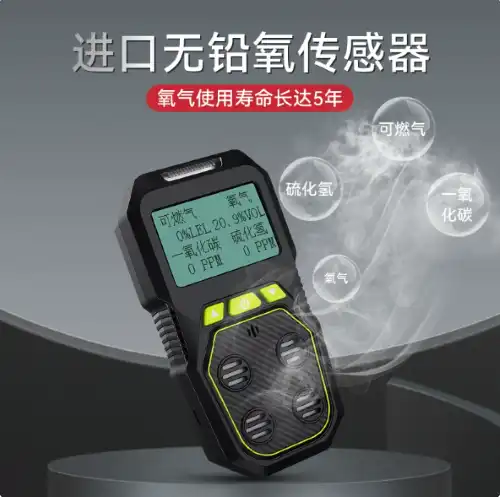
Industrial environments demand continuous monitoring of multiple atmospheric hazards simultaneously. A four-in-one gas detector provides real-time surveillance of the four most critical gases found in hazardous work environments: carbon monoxide, hydrogen sulfide, oxygen levels, and combustible gases measured as lower explosive limit. These portable devices have become indispensable safety equipment for workers entering confined spaces, performing maintenance in petrochemical facilities, conducting emergency response operations, or working in underground utilities where atmospheric conditions can change rapidly without warning. Modern four-in-one gas detector units utilize electrochemical sensors for toxic gases and catalytic sensors for combustible gas detection. The technology behind these sensors has evolved significantly, with response times now typically under fifteen seconds and accuracy within five percent of full scale. High-sensitivity measurement capabilities combined with fast response times ensure that workers receive immediate warnings when gas concentrations approach dangerous thresholds. The compact design allows workers to clip these devices to their belts or harnesses, providing continuous personal protection without hindering their ability to perform critical tasks safely and efficiently.
Essential Features That Define Industrial-Grade Gas Detection Equipment
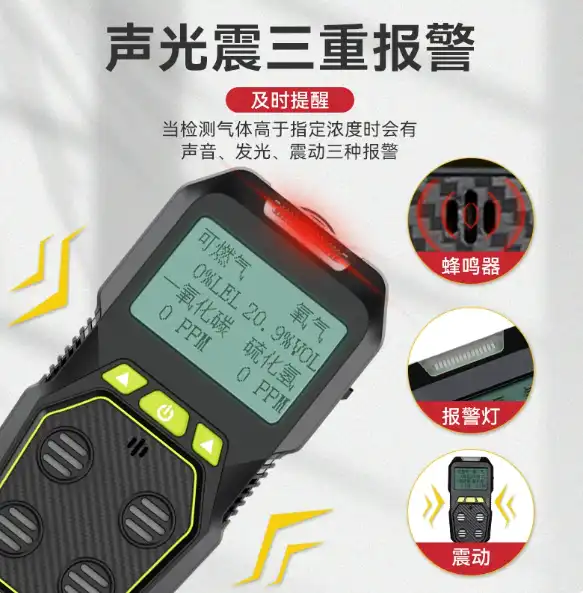
Industrial-grade four-in-one gas detector models incorporate several critical features that distinguish them from basic monitoring equipment. A dual alarm system with indicator lights and audible alerts provides multiple warning methods to ensure workers notice hazardous conditions even in noisy industrial environments or low-visibility situations. Adjustable sensitivity settings allow safety managers to customize alarm thresholds based on specific workplace hazards and regulatory requirements. Many advanced models include vibrating alarms as a third alert mechanism, particularly valuable for workers wearing hearing protection or operating loud machinery where audible warnings might be missed. Battery performance represents another crucial specification when evaluating gas detection equipment. Rechargeable lithium battery design for long standby time ensures that devices remain operational throughout extended shifts without frequent recharging interruptions. Industrial models typically provide between eighteen and twenty-four hours of continuous operation, with some premium units extending beyond thirty hours. The ability to automatically store alarm records for review, retrieval, and deletion creates an invaluable safety documentation system. These stored records enable safety managers to identify patterns of gas exposure, verify that workers responded appropriately to alarms, conduct post-incident investigations, and demonstrate regulatory compliance during workplace safety audits.
Critical Selection Criteria for Industrial Four-in-One Gas Detectors
Selecting the optimal four-in-one gas detector for industrial applications requires careful evaluation of several technical specifications and operational requirements. The detection range must match the specific hazards present in your facility. For combustible gases, a range covering zero to one hundred percent lower explosive limit provides adequate coverage for most applications. Oxygen monitoring should span from zero to thirty percent volume to detect both enrichment and deficiency conditions. Carbon monoxide detection typically ranges from zero to nine hundred ninety-nine parts per million, while hydrogen sulfide sensors generally cover zero to one hundred parts per million. Understanding these parameters ensures your selected device can accurately measure the gas concentrations you're likely to encounter. Environmental protection ratings determine how well a four-in-one gas detector withstands harsh industrial conditions. Look for devices rated IP67 or higher, indicating they are dust-tight and can withstand temporary immersion in water up to one meter deep. This level of protection proves essential in industries like mining, oil and gas extraction, wastewater treatment, and chemical manufacturing where equipment regularly encounters moisture, dust, chemical splashes, and physical impacts. The operating temperature range should match your work environment's extremes. Premium industrial models function reliably from minus twenty degrees Celsius to plus fifty degrees Celsius, ensuring consistent performance whether workers face freezing outdoor conditions or elevated temperatures near industrial processes and equipment.
Certification Standards and Regulatory Compliance Requirements
Workplace safety regulations mandate that gas detection equipment meets rigorous certification standards. ATEX certification ensures devices are safe for use in potentially explosive atmospheres throughout European markets. IECEx provides international certification for equipment used in explosive atmospheres globally. UL and CSA certifications validate that devices meet North American safety standards. When procuring a four-in-one gas detector, verify that it holds certifications appropriate for your geographic location and industry sector. These certifications aren't mere formalities—they represent extensive testing that validates the device will function safely and reliably in hazardous environments where equipment failure could trigger catastrophic incidents. Regulatory bodies like OSHA establish mandatory requirements for atmospheric monitoring in confined spaces and hazardous work environments. Compliance with OSHA regulations requires not only using certified equipment but also establishing comprehensive gas monitoring protocols, conducting regular bump tests and calibrations, maintaining detailed records of monitoring activities, and providing thorough training to workers who operate detection equipment. A high-quality four-in-one gas detector simplifies regulatory compliance by incorporating features like automatic calibration reminders, built-in bump test functions, and digital record-keeping capabilities that streamline documentation requirements and reduce administrative burdens on safety managers.
Evaluating Leading Four-in-One Gas Detector Models for Different Industries
Different industries present unique atmospheric hazards that influence which four-in-one gas detector model best serves their operational needs. Oil and gas operations frequently encounter high concentrations of combustible gases and hydrogen sulfide, requiring devices with extended detection ranges and rapid response capabilities. Mining operations demand rugged construction with exceptional drop resistance and dust protection since equipment endures constant vibration, impacts, and exposure to abrasive particles. Chemical manufacturing facilities need devices resistant to cross-sensitivity from the complex mixture of chemicals present in their atmospheres. Wastewater treatment plants require monitors that perform reliably in high-humidity environments where moisture can degrade sensor performance in lower-quality equipment. When evaluating specific models, consider the four-in-one gas detector offered by established manufacturers who have proven track records in industrial safety equipment. Premium models feature large LCD displays with backlighting for easy reading in diverse lighting conditions from bright sunlight to dark confined spaces. Visual, audible, and vibrating alarms provide redundant warning systems ensuring workers receive alerts regardless of environmental conditions. Battery life exceeding twenty-four hours continuous use eliminates concerns about mid-shift power failures. Ingress protection rated IP67 ensures dust-tight and waterproof construction. Certifications including ATEX, IECEx, and UL or CSA validate safety and performance. Response times under fifteen seconds enable rapid detection of developing hazards before concentrations reach immediately dangerous levels.
Maintenance, Calibration, and Sensor Replacement Considerations
Owning a four-in-one gas detector involves ongoing maintenance responsibilities that directly impact device reliability and measurement accuracy. Calibration represents the most critical maintenance activity, typically required at intervals ranging from thirty days to six months depending on manufacturer recommendations and regulatory requirements. During calibration, technicians expose sensors to known concentrations of target gases and adjust the device to ensure it provides accurate readings. Many organizations establish daily bump test protocols where workers briefly expose the device to test gas before each shift to verify all sensors and alarms function properly. Sensor lifespan varies by gas type and operating conditions, with most electrochemical sensors lasting two to three years under normal use. Harsh environments with frequent exposure to high gas concentrations or extreme temperatures can reduce sensor life significantly. Organizations should budget for periodic sensor replacement as part of their total cost of ownership calculations. Some manufacturers offer extended warranties covering sensors for up to four years, providing predictable costs and reducing unexpected expenses. When evaluating different four-in-one gas detector models, consider the availability and cost of replacement sensors, the simplicity of the replacement procedure, and whether the manufacturer provides calibration services or training for in-house calibration capabilities.
Optimizing Gas Detection Programs for Maximum Workplace Safety
Implementing an effective gas detection program extends beyond simply purchasing a four-in-one gas detector for each worker. Comprehensive programs include written policies establishing when and where gas monitoring is required, detailed procedures for responding to alarms, clear accountability for equipment maintenance and calibration, thorough training programs ensuring workers understand device operation and alarm responses, and regular program audits to identify opportunities for improvement. Safety managers should conduct risk assessments identifying all potential atmospheric hazards in their facilities, mapping out specific locations requiring continuous or periodic monitoring, and ensuring adequate equipment availability for all identified hazards. Training represents a critical program element often overlooked or minimized. Workers must understand which gases their four-in-one gas detector monitors, what concentrations trigger alarms, appropriate responses when alarms activate, how to perform pre-shift equipment checks, and procedures for reporting malfunctions or unusual readings. Regular refresher training reinforces these concepts and updates workers on new equipment or revised procedures. Documentation of all training activities creates records demonstrating regulatory compliance and provides evidence of due diligence should incidents occur. Organizations investing in comprehensive gas detection programs consistently achieve superior safety outcomes compared to those treating gas monitors as simple equipment purchases without supporting infrastructure.
Integration with Broader Industrial Safety Management Systems
Modern four-in-one gas detector technology increasingly integrates with broader safety management systems through wireless connectivity and data management platforms. Advanced models transmit real-time readings to central monitoring stations where safety personnel can track exposure trends across multiple workers and locations simultaneously. This connectivity enables rapid emergency response when workers in remote locations encounter hazardous conditions. Historical data collected from gas monitors provides valuable insights for identifying chronic exposure problems, validating ventilation system effectiveness, prioritizing capital investments in engineering controls, and demonstrating continuous improvement in safety performance. Integration capabilities vary significantly between manufacturers and models. When evaluating devices, consider whether wireless connectivity meets your operational needs and whether the manufacturer provides compatible data management software. Some organizations find basic standalone four-in-one gas detector models with manual data download capabilities sufficient for their needs, while others operating large facilities with numerous workers require sophisticated wireless systems providing real-time monitoring and automated compliance documentation. Aligning your equipment selection with your organization's safety management maturity level and operational complexity ensures you invest appropriately without paying for unnecessary features or selecting equipment that lacks capabilities you'll eventually need.
Conclusion
Selecting the optimal four-in-one gas detector demands careful evaluation of detection capabilities, environmental durability, certification compliance, and maintenance requirements. The right device protects workers while supporting regulatory compliance and operational efficiency in hazardous industrial environments.
Cooperate with Foshan Lifa Building Materials Co., Ltd.
As a leading China four-in-one gas detector manufacturer and China four-in-one gas detector supplier, Foshan Lifa Building Materials Co., Ltd. offers high quality four-in-one gas detector solutions with competitive four-in-one gas detector price points. Our China four-in-one gas detector factory maintains extensive inventory ensuring immediate shipment of four-in-one gas detector for sale to customers worldwide. With China four-in-one gas detector wholesale programs, OEM support, and rigorous quality control, we serve as your trusted partner for safety equipment procurement. Contact our experienced team at wz@jiancaiqy.com to discuss your specific requirements and discover how our cost advantages, complete certifications, and exceptional customer service can strengthen your safety programs while optimizing procurement costs.
References
1. National Institute for Occupational Safety and Health (NIOSH). "Pocket Guide to Chemical Hazards: Gas Detection and Monitoring." Centers for Disease Control and Prevention.
2. Occupational Safety and Health Administration (OSHA). "Permit-Required Confined Spaces: Standard 1910.146." United States Department of Labor.
3. International Electrotechnical Commission (IEC). "IEC 60079 Series: Explosive Atmospheres - Part 29-1: Gas Detectors - Performance Requirements of Detectors for Flammable Gases." Technical Committee 31.
4. American Industrial Hygiene Association (AIHA). "Gas and Vapor Detection Systems: A Practical Guide for Selection, Operation, and Maintenance." AIHA Press.
5. International Safety Equipment Association (ISEA). "ANSI/ISEA 102: American National Standard for Gas Detector Tube Units - Short Term Type for Toxic Gases and Vapors." Standards Development Committee.



Learn about our latest products and discounts through SMS or email