- English
- French
- German
- Portuguese
- Spanish
- Russian
- Japanese
- Korean
- Arabic
- Greek
- German
- Turkish
- Italian
- Danish
- Romanian
- Indonesian
- Czech
- Afrikaans
- Swedish
- Polish
- Basque
- Catalan
- Esperanto
- Hindi
- Lao
- Albanian
- Amharic
- Armenian
- Azerbaijani
- Belarusian
- Bengali
- Bosnian
- Bulgarian
- Cebuano
- Chichewa
- Corsican
- Croatian
- Dutch
- Estonian
- Filipino
- Finnish
- Frisian
- Galician
- Georgian
- Gujarati
- Haitian
- Hausa
- Hawaiian
- Hebrew
- Hmong
- Hungarian
- Icelandic
- Igbo
- Javanese
- Kannada
- Kazakh
- Khmer
- Kurdish
- Kyrgyz
- Latin
- Latvian
- Lithuanian
- Luxembou..
- Macedonian
- Malagasy
- Malay
- Malayalam
- Maltese
- Maori
- Marathi
- Mongolian
- Burmese
- Nepali
- Norwegian
- Pashto
- Persian
- Punjabi
- Serbian
- Sesotho
- Sinhala
- Slovak
- Slovenian
- Somali
- Samoan
- Scots Gaelic
- Shona
- Sindhi
- Sundanese
- Swahili
- Tajik
- Tamil
- Telugu
- Thai
- Ukrainian
- Urdu
- Uzbek
- Vietnamese
- Welsh
- Xhosa
- Yiddish
- Yoruba
- Zulu
How long do cold saw blades last?
Picture this: you're in the middle of a critical production run, deadlines looming, and suddenly your cold saw blade starts burning through material instead of cutting cleanly. The frustration, wasted material, and downtime costs add up fast. If you've ever wondered whether you're getting the most out of your cold saw blade store investment, you're not alone. The answer depends on several factors, but with proper maintenance and selection from a reliable cold saw blade store, you can expect to sharpen your blade 30 to 40 times before replacement, translating to months or even years of productive cutting depending on your usage intensity.

Understanding Cold Saw Blade Longevity and Performance Factors
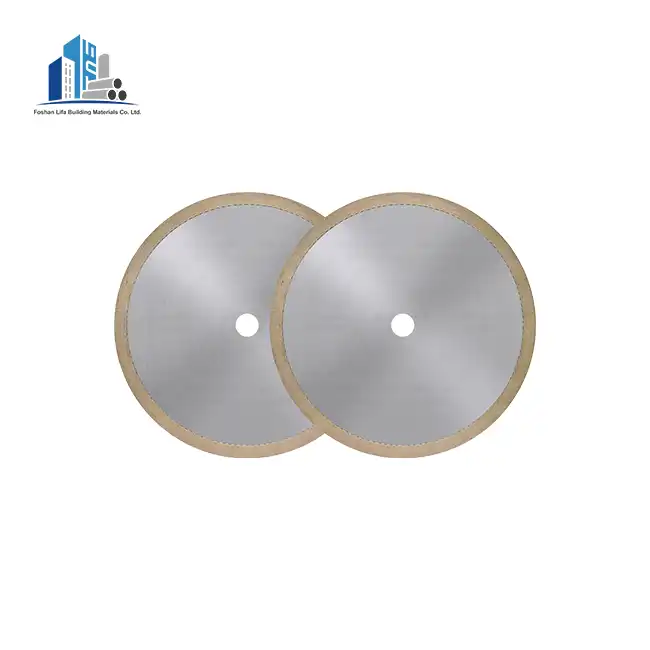
Cold saw blades represent a significant investment in any metalworking operation, making their lifespan a critical concern for shop managers and operators alike. Unlike disposable abrasive discs that must be discarded after wearing down, cold saw blades from a reputable cold saw blade store offer exceptional value through their resharpening capability. The typical high-speed steel blade can undergo 30 to 40 sharpenings before the diameter becomes too small to handle maximum-capacity materials, but this theoretical lifespan only translates to real-world performance when operators understand the factors that influence blade longevity. Material selection forms the foundation of blade performance. Professional cold saw blade stores offer two primary options: solid high-speed steel blades manufactured from M2 or M35 tool steel, and tungsten carbide-tipped variants. The M2 steel blades undergo heat treatment and hardening to 64-65 HRC for ferrous applications, providing excellent resistance to heat and wear during cutting operations. The M35 variant incorporates additional cobalt for enhanced performance when cutting stainless steel and other challenging alloys. Carbide-tipped blades, while more expensive initially, deliver superior longevity in high-volume production environments, particularly when cutting abrasive materials that would quickly dull high-speed steel teeth.
-
Material Type and Cutting Conditions Impact on Blade Life
The materials you cut directly determine how long your blade will last between sharpenings. Mild steel box tube and structural sections represent ideal applications where experienced operators report blade life exceeding one month with several hours of daily cutting. However, stainless steel, exotic alloys, and materials with high tensile strength accelerate tooth wear significantly. A quality cold saw blade store will help you match tooth geometry, coating options, and steel grade to your specific materials, maximizing productive cutting time before resharpening becomes necessary. Feed pressure and cutting speed represent the most common operator-controlled variables affecting blade longevity. Excessive feed pressure generates unnecessary heat and stress on the teeth, rapidly degrading cutting edges even when proper coolant flow is maintained. The phenomenon is particularly evident with inexperienced operators who lack the developed feel for appropriate pressure—some shops report new workers dulling freshly sharpened blades in a single shift, while veteran machinists make the same blade last weeks. Rotational speed must match material hardness; running a cold saw at 108 RPM when 54 RPM is appropriate for the material being cut will burn out even premium blades from the best cold saw blade store within hours rather than weeks.
-
Coolant Systems and Maintenance Best Practices
Professional cold saw blade stores emphasize that coolant application, while not strictly necessary for the cold cutting process itself, dramatically extends intervals between sharpenings. The lubricant reduces friction between teeth and workpiece, preventing premature dulling and maintaining sharp cutting edges longer. Modern micro-lube systems apply minimal coolant to reduce environmental impact while still protecting blade teeth. Shops requiring welding-ready cut surfaces often employ vegetable oil-based coolants that don't interfere with subsequent welding operations, though these must be applied sparingly to avoid blade slippage and inadequate clamping. Break-in procedures for newly sharpened blades deserve attention despite being frequently overlooked. Similar to band saw blade break-in protocols, cold saw blades benefit from initial cuts through round stock using light feed pressure. This gentle introduction allows the newly ground teeth to establish proper contact patterns before encountering demanding cutting conditions. Operators who implement this simple practice report significantly improved blade performance and longevity compared to immediately resuming heavy production cutting with freshly sharpened blades from their cold saw blade store inventory. Proper blade storage and handling between uses protects the cutting edges from damage that would otherwise necessitate premature resharpening. Blades should be stored in protective cases or racks that prevent tooth contact with other metal surfaces. Even minor nicks or damage to cutting edges from careless handling can propagate during use, leading to poor cut quality and accelerated overall blade wear that reduces the total number of sharpenings achievable over the blade's lifetime.

Selecting the Right Blade from Your Cold Saw Blade Store
Matching tooth count to material thickness and type represents perhaps the most critical blade selection decision impacting longevity. Fine-toothed blades with higher tooth counts excel when cutting thin-walled tubing and sheet materials, providing better chip load control that prevents teeth from digging in too aggressively and breaking. Conversely, coarse-toothed blades with fewer teeth handle solid bar stock more effectively, generating larger chips that evacuate efficiently from the cutting zone. A knowledgeable cold saw blade store will guide you through these selections based on your specific applications, ensuring you purchase blades optimized for your production mix rather than compromising with general-purpose options. Professional cold saw blade stores stock multiple diameter ranges to accommodate different saw capacities and application requirements. Blades typically range from 200mm to 600mm diameter, with tooth counts varying from 60 to 300 teeth depending on diameter and intended application. The relationship between diameter and tooth count determines chip load per tooth—a critical parameter that directly influences cutting efficiency and blade longevity. Blades operating within their designed parameters consistently deliver the advertised 30 to 40 sharpenings, while mismatched blade specifications result in premature failure regardless of operator skill or maintenance practices.
-
Advanced Coating Options for Extended Service Life
Premium cold saw blade stores offer advanced coating options that significantly extend service intervals between sharpenings. Titanium nitride coating provides a hard, low-friction surface that reduces heat buildup during cutting operations while protecting the underlying high-speed steel from wear. Titanium carbonitride and titanium aluminum nitride coatings deliver even greater hardness and heat resistance, justifying their higher cost in demanding production environments cutting difficult materials. The proper coating selection depends on material type, saw configuration, and coolant application method—factors your cold saw blade store's technical team should evaluate before recommending specific products. Black oxide coating represents the most economical option, primarily improving coolant distribution across the blade surface rather than providing significant wear resistance. However, this modest coating still delivers measurable performance improvements in flood coolant applications, making it worthwhile for shops operating on tight budgets. Understanding these coating options helps you make informed purchasing decisions from your cold saw blade store that balance initial cost against total cost of ownership over the blade's resharpening lifecycle.
Recognizing When Blades Need Resharpening or Replacement
Monitoring blade performance allows you to schedule resharpening before cut quality deteriorates unacceptably or blade damage occurs. Increased cutting resistance represents the earliest indicator that teeth are dulling and resharpening should be scheduled soon. Operators with developed feel for their equipment detect this increased resistance immediately, while less experienced personnel may notice the extended cycle times before becoming aware of the underlying cause. Addressing dull blades promptly prevents the excessive force application that can crack or chip teeth, damage that reduces the remaining sharpenings available from that blade purchased from your cold saw blade store. Surface finish degradation on cut parts indicates advancing tooth wear that requires attention. While cold saws normally produce smooth, burr-free cuts requiring no secondary finishing operations, dull blades leave increasingly rough surfaces with pronounced burrs. Discoloration on cut surfaces signals excessive heat generation from dull teeth, indicating the blade has exceeded reasonable service intervals and requires immediate resharpening to prevent heat damage to the base steel. Professional operators never allow blade condition to deteriorate to this point, scheduling resharpening based on cut count or service hours to maintain consistent performance.
-
Critical Safety and Quality Indicators
Unusual noise during cutting operations warrants immediate investigation regardless of blade service time. While cold saws operate relatively quietly compared to abrasive cutters, changes in sound signature often indicate tooth damage, improper blade mounting, or bearing problems. Continuing operation with damaged teeth accelerates the damage progression, potentially rendering the blade unrepairable and necessitating premature replacement rather than another resharpening cycle. Your cold saw blade store can inspect blades for damage and provide honest assessments of whether resharpening or replacement represents the economical choice. Cut accuracy problems unrelated to machine calibration issues often stem from blade condition. Worn teeth may cause the blade to wander during cuts, producing angled surfaces that require correction through secondary operations. This defeats the primary advantage of cold saw technology—delivering finished cuts that proceed directly to assembly or subsequent manufacturing steps. When blade-related accuracy problems develop, prompt resharpening from a qualified provider restores performance and prevents the accumulation of scrap parts and rework costs.
Maximizing Your Investment from a Professional cold circular saw blades
Establishing relationships with reputable cold saw blade stores delivers advantages beyond simple product transactions. Technical support from experienced staff helps troubleshoot performance problems, optimize cutting parameters for new materials, and select appropriate blade specifications for evolving production requirements. This expertise proves particularly valuable when addressing unusual applications or problem materials where standard recommendations may not apply. Professional cold saw blade stores maintain connections with blade manufacturers and resharpening facilities, providing comprehensive support throughout the product lifecycle from initial purchase through multiple resharpening cycles. Inventory management support represents another valuable service from full-service cold saw blade stores. Rather than carrying excessive blade inventory that ties up capital and storage space, shops can work with their supplier to maintain appropriate stock levels based on usage patterns and resharpening schedules. This partnership approach reduces working capital requirements while ensuring blades remain available when needed for production operations. Some cold saw blade stores offer consignment inventory programs for high-volume users, eliminating cash flow concerns while guaranteeing blade availability. At Foshan Lifa Building Materials Co., Ltd., our cold saw blade store provides not just premium products but complete cutting solutions. Our high-strength manganese steel blades feature fully automated mechanical welding for consistent quality and enhanced durability that maximizes resharpening cycles. The muffling heat dissipation hole design incorporated into our blade bodies provides low-noise operation while efficiently managing heat to prevent blade damage during extended cutting sessions. These engineering refinements translate directly to extended service life, fewer sharpenings, and lower total cost of ownership compared to economy blades that require frequent maintenance.
Conclusion
Cold saw blades from quality suppliers typically provide 30 to 40 sharpenings before diameter reduction forces replacement. Actual service life depends on material type, cutting parameters, operator skill, maintenance practices, and initial blade quality from your cold saw blade store. Proper selection and care maximize this investment significantly.
Cooperate with Foshan Lifa Building Materials Co., Ltd.
Partner with Foshan Lifa Building Materials Co., Ltd., your trusted China cold saw blade store manufacturer offering premium solutions. As a leading China cold saw blade store supplier with extensive inventory, we provide China cold saw blade store wholesale pricing without compromising quality. Our cold saw blade store for sale features competitive cold saw blade store prices and High Quality cold saw blade store products meeting ISO9001, ASTM, and DIN standards. Our mature R&D team, GMP factory, complete certifications, and cost advantages ensure exceptional value. With fast delivery, strict quality control, and professional communication, we serve 30+ countries globally. Contact us at wz@jiancaiqy.com for custom OEM solutions that solve your precision cutting challenges.
References
1. Albrecht, J. "Metal Sawing 101: Cold Saws and Band Saws." The Fabricator, Industrial Cutting Equipment Analysis
2. Morrison, R. "Cold Saw Blade Selection and Operational Parameters." Manufacturing Technology Review, Precision Cutting Applications
3. Technical Standards Committee. "HSS Cold Saw Blade Specifications and Performance Criteria." Industrial Blade Manufacturers Association, Quality Standards Documentation
4. Williams, T. "Extended Blade Life Through Proper Maintenance and Operation." Metalworking Production Journal, Equipment Optimization Studies
Learn about our latest products and discounts through SMS or email