- English
- French
- German
- Portuguese
- Spanish
- Russian
- Japanese
- Korean
- Arabic
- Greek
- German
- Turkish
- Italian
- Danish
- Romanian
- Indonesian
- Czech
- Afrikaans
- Swedish
- Polish
- Basque
- Catalan
- Esperanto
- Hindi
- Lao
- Albanian
- Amharic
- Armenian
- Azerbaijani
- Belarusian
- Bengali
- Bosnian
- Bulgarian
- Cebuano
- Chichewa
- Corsican
- Croatian
- Dutch
- Estonian
- Filipino
- Finnish
- Frisian
- Galician
- Georgian
- Gujarati
- Haitian
- Hausa
- Hawaiian
- Hebrew
- Hmong
- Hungarian
- Icelandic
- Igbo
- Javanese
- Kannada
- Kazakh
- Khmer
- Kurdish
- Kyrgyz
- Latin
- Latvian
- Lithuanian
- Luxembou..
- Macedonian
- Malagasy
- Malay
- Malayalam
- Maltese
- Maori
- Marathi
- Mongolian
- Burmese
- Nepali
- Norwegian
- Pashto
- Persian
- Punjabi
- Serbian
- Sesotho
- Sinhala
- Slovak
- Slovenian
- Somali
- Samoan
- Scots Gaelic
- Shona
- Sindhi
- Sundanese
- Swahili
- Tajik
- Tamil
- Telugu
- Thai
- Ukrainian
- Urdu
- Uzbek
- Vietnamese
- Welsh
- Xhosa
- Yiddish
- Yoruba
- Zulu
What is the most common use of oxy-acetylene?
Are you struggling with metal cutting projects that demand precision and reliability? Many professionals face the challenge of selecting the right tool for industrial metal fabrication tasks. The most common use of oxy-acetylene is for welding and cutting metals, where oxygen and acetylene gases combine to produce extremely hot flames reaching temperatures of about 3,200°C, making it the most effective gas combination for working with steel. This powerful combination, delivered through an oxy acetylene straight cutting torch, provides the perfect solution for industries requiring precise metal cutting capabilities, from structural steel fabrication to automotive manufacturing and shipbuilding applications.
Understanding Oxy-Acetylene Applications in Modern Industry
Oxy-acetylene welding is primarily used for welding thin metal sections and heating tasks, making it a flexible and forgiving process suitable for both professional and amateur welders. The versatility of this technology extends far beyond simple welding operations, encompassing a wide range of industrial applications that require precise temperature control and reliable performance. The fundamental principle behind oxy-acetylene operations lies in the combustion reaction between oxygen and acetylene gases. When these gases are mixed in proper proportions within an oxy acetylene straight cutting torch, they create one of the hottest flame temperatures available in portable gas welding systems. This intense heat generation makes the process invaluable for cutting through various steel materials with different properties, from thin sheet metal to thick structural components. Industrial facilities across manufacturing sectors rely on oxy-acetylene systems for their adaptability and portability. Unlike electric welding systems that require power sources, oxy acetylene straight cutting torch units can operate in remote locations, making them essential for field repairs, construction sites, and emergency maintenance situations. The technology's ability to provide immediate heat without warm-up periods contributes significantly to operational efficiency in time-sensitive projects.
-
Primary Metal Cutting Applications
The process is commonly used for welding and cutting metals, known for its versatility and portability, with flames that can be easily adjusted to suit specific welding job requirements. Metal cutting represents the most widespread application of oxy-acetylene technology, where the oxy acetylene straight cutting torch serves as the primary tool for material separation and shaping operations. In structural steel fabrication, oxy-acetylene cutting provides unmatched flexibility for creating custom shapes and profiles. The process excels at cutting thick steel plates, beams, and columns where precision edges are crucial for subsequent welding operations. The ability to follow complex cutting patterns makes oxy acetylene straight cutting torch systems indispensable for architectural metalwork and custom fabrication projects. Shipbuilding industries particularly value oxy-acetylene cutting for its effectiveness on heavy-duty marine steel components. The process handles the thick hull plating and structural elements common in vessel construction, while the portability of oxy acetylene straight cutting torch equipment allows workers to perform cuts in confined spaces typical of ship assembly areas. Scrap metal processing operations depend heavily on oxy-acetylene cutting to break down large metal structures into manageable pieces. The process efficiently cuts through various metal thicknesses and compositions, from automotive bodies to industrial machinery, making it essential for recycling operations and material recovery facilities.
Advanced Cutting Torch Technology and Design Features
Modern oxy acetylene straight cutting torch designs incorporate sophisticated engineering principles to optimize performance and safety. The main body construction typically utilizes full copper forging, providing superior heat dissipation and durability under continuous operation conditions. This copper construction ensures consistent performance even during extended cutting sessions while maintaining structural integrity under high-temperature conditions. The cutting nozzle represents a critical component in torch performance, with carefully cast copper construction that resists deformation and maintains precise flame geometry. This non-deformable design ensures consistent cutting quality throughout the torch's operational lifetime, eliminating the need for frequent nozzle replacements and maintaining cost-effectiveness for industrial users. Injector-type cutting torch mechanisms optimize the mixing of oxygen and acetylene gases, creating uniform flame characteristics across varying gas pressures. This design ensures consistent cutting performance regardless of gas supply fluctuations, providing reliable operation in industrial environments where gas pressure variations are common. The injector system also contributes to improved gas efficiency, reducing operational costs while maintaining cutting quality.
-
Ergonomic Design and Operational Comfort
Professional-grade oxy acetylene straight cutting torch models feature rubber anti-slip curved handle designs that prioritize operator comfort during extended use periods. The ergonomic handle configuration reduces operator fatigue while providing secure grip control during precision cutting operations. This design consideration becomes particularly important during overhead cutting tasks or when working in awkward positions common in construction and repair applications. The curved handle geometry aligns naturally with operator hand positions, reducing wrist strain and improving cutting accuracy. Labor-saving operation characteristics result from balanced weight distribution and optimized lever mechanisms that require minimal effort for gas flow control adjustments. These ergonomic improvements translate directly into increased productivity and reduced operator fatigue during long working sessions. Advanced torch designs incorporate adjustable flame settings that accommodate various cutting requirements, from delicate sheet metal work to heavy structural cutting applications. The precision-engineered mixing chamber provides optimal flame control across the entire adjustment range, ensuring consistent performance whether cutting thin materials or thick industrial components.
Industrial Applications and Market Sectors
Common uses include repair and maintenance of damaged equipment such as pipes, tanks, and machinery, as well as art and fabrication for creating unique metal sculptures and objects. The versatility of oxy acetylene straight cutting torch systems extends across numerous industrial sectors, each benefiting from the technology's unique capabilities and operational characteristics. Automotive manufacturing facilities utilize oxy-acetylene cutting for prototype development and custom component fabrication. The process enables rapid modification of steel components during design phases, allowing engineers to test fit and function before committing to production tooling. Repair operations within automotive plants also rely on oxy acetylene straight cutting torch systems for emergency repairs and maintenance of production equipment. Construction and demolition projects extensively employ oxy-acetylene cutting for structural modification and material removal. The process efficiently cuts through reinforcing steel, structural beams, and embedded metal components during renovation projects. Demolition crews value the portability and immediate availability of oxy acetylene straight cutting torch systems when working in areas without electrical power access. Pipeline installation and maintenance operations depend on oxy-acetylene cutting for field modifications and emergency repairs. The technology's portability makes it ideal for remote pipeline locations where traditional cutting methods are impractical. Natural gas and oil industry applications require the precision and reliability that professional-grade oxy acetylene straight cutting torch systems provide.
-
Specialized Manufacturing Applications
Precision manufacturing sectors utilize oxy-acetylene cutting for custom component production and prototype development. The process provides excellent edge quality suitable for subsequent machining operations while maintaining dimensional accuracy critical for precision applications. Small-batch manufacturing operations particularly benefit from the flexibility and setup speed that oxy acetylene straight cutting torch systems offer. Art and architectural metalworking represent growing application areas where oxy-acetylene cutting enables complex decorative patterns and artistic expressions. The process allows craftspeople to create intricate designs that would be difficult or impossible with other cutting methods. Custom architectural elements, sculptures, and decorative metalwork showcase the artistic potential of skilled oxy acetylene straight cutting torch operation. Research and development facilities employ oxy-acetylene cutting for experimental material testing and custom fixture fabrication. The immediate availability and precise control characteristics make the process valuable for creating test specimens and specialized tooling required for material evaluation programs.
Safety Considerations and Best Practices
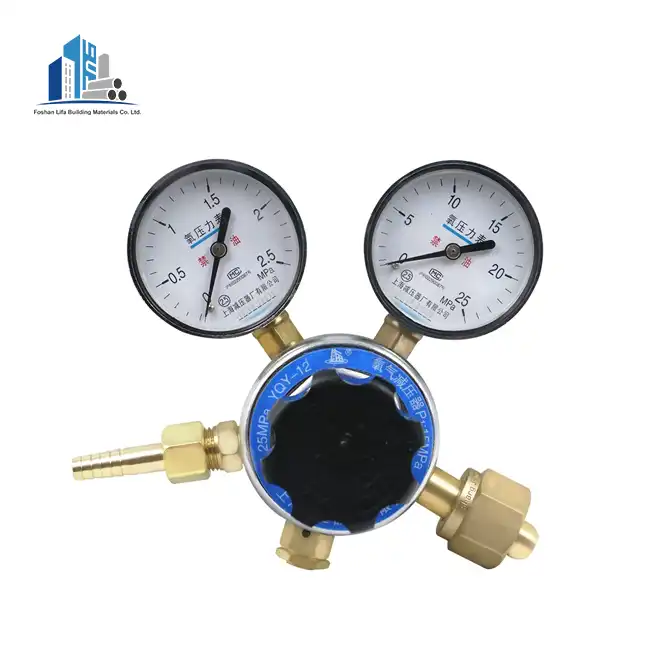
Professional oxy acetylene straight cutting torch operation requires comprehensive understanding of safety protocols and proper handling procedures. Built-in flashback arrestors represent essential safety features that prevent dangerous reverse flame propagation into gas supply lines. These safety devices automatically shut off gas flow when flame irregularities occur, protecting both equipment and operators from potential hazards. Proper gas cylinder handling and storage procedures ensure safe operation of oxy-acetylene systems. Oxygen and acetylene gases require different handling protocols due to their unique properties and potential hazards. Acetylene's instability at high pressures necessitates special cylinder designs with porous materials to maintain gas dissolution and prevent dangerous pressure accumulation. Regular equipment inspection and maintenance schedules prevent safety hazards and ensure reliable performance. Torch tip condition, hose integrity, and regulator accuracy require periodic verification to maintain safe operating conditions. Professional oxy acetylene straight cutting torch systems include clear maintenance guidelines and replacement schedules for critical components. Operator training programs emphasize proper flame adjustment techniques and cutting procedures that maximize both safety and efficiency. Understanding flame characteristics, gas pressure requirements, and cutting technique fundamentals ensures professional results while minimizing safety risks. Continuous education regarding industry best practices keeps operators current with evolving safety standards and technological improvements.
Economic Benefits and Operational Efficiency
The economic advantages of oxy acetylene straight cutting torch systems extend beyond initial equipment costs to encompass operational efficiency and productivity benefits. Lower setup times compared to plasma cutting systems enable rapid response to cutting requirements, particularly valuable in maintenance and repair applications where downtime costs are significant. Fuel cost efficiency results from optimized gas mixing ratios and precise flame control capabilities. Modern torch designs maximize cutting speed while minimizing gas consumption, reducing operational costs per linear foot of cutting. The ability to cut various material thicknesses without equipment changes further enhances cost-effectiveness by eliminating the need for multiple cutting systems. Versatility in material handling capabilities allows single oxy acetylene straight cutting torch systems to address diverse cutting requirements within industrial facilities. This versatility reduces capital equipment requirements while providing comprehensive cutting capabilities across multiple applications. The technology's proven reliability minimizes maintenance costs and equipment downtime compared to more complex cutting systems. Labor efficiency improvements result from intuitive operation and minimal training requirements compared to advanced plasma or laser cutting technologies. Skilled operators can achieve professional cutting results with relatively short learning curves, reducing training costs and enabling rapid workforce deployment on cutting projects.
Conclusion
A neutral oxy-acetylene flame is used for welding, brazing, and silver soldering most metals, making it the most common type of flame and also used for oxy-acetylene cutting. The primary application of oxy-acetylene technology remains metal cutting and welding across diverse industrial sectors, with the oxy acetylene straight cutting torch serving as the essential tool for precision material processing, structural fabrication, and maintenance operations.
Cooperate with Foshan Lifa Building Materials Co., Ltd.
As a leading China oxy acetylene straight cutting torch factory, Foshan Lifa Building Materials Co., Ltd. offers comprehensive solutions for industrial metal cutting requirements. Our China oxy acetylene straight cutting torch supplier expertise encompasses high-quality manufacturing, competitive pricing, and flexible OEM support tailored to global market demands. As a trusted China oxy acetylene straight cutting torch manufacturer, we maintain extensive inventory for immediate shipment while providing China oxy acetylene straight cutting torch wholesale pricing for bulk orders.
Our oxy acetylene straight cutting torch for sale includes premium features such as full copper construction, precision-cast nozzles, and ergonomic handle designs. Competitive oxy acetylene straight cutting torch price structures combined with our high quality oxy acetylene straight cutting torch manufacturing standards ensure exceptional value for professional applications. Contact our expert team at wz@jiancaiqy.com for detailed specifications and custom solutions. Save this resource for future reference when seeking reliable cutting torch solutions.
FAQ
Q: What materials can be cut effectively with oxy-acetylene torches?
A: Oxy-acetylene cutting works best on carbon steel and low-alloy steels, effectively cutting thicknesses from thin sheets up to 12 inches or more depending on torch capacity.
Q: How does oxy-acetylene cutting compare to plasma cutting in terms of cost?
A: Oxy-acetylene cutting typically has lower equipment costs and operates without electricity, making it more economical for occasional use and field applications.
Q: What safety equipment is required for oxy-acetylene cutting operations?
A: Essential safety equipment includes flame-resistant clothing, safety glasses with proper lens shades, gloves, and flashback arrestors on both gas lines.
Q: Can oxy-acetylene torches cut through stainless steel or aluminum?
A: Standard oxy-acetylene cutting is not effective on stainless steel or aluminum due to their oxide formation characteristics; these materials require specialized cutting processes.
References
1. "Oxy-fuel Welding and Cutting Processes" - American Welding Society Technical Committee
2. "Industrial Gas Cutting Applications and Safety Standards" - National Institute for Occupational Safety and Health
3. "Metal Fabrication Handbook: Cutting Technologies and Applications" - Manufacturing Engineering Society
4. "Acetylene Safety in Industrial Applications" - Compressed Gas Association Safety Publication
Learn about our latest products and discounts through SMS or email