- English
- French
- German
- Portuguese
- Spanish
- Russian
- Japanese
- Korean
- Arabic
- Greek
- German
- Turkish
- Italian
- Danish
- Romanian
- Indonesian
- Czech
- Afrikaans
- Swedish
- Polish
- Basque
- Catalan
- Esperanto
- Hindi
- Lao
- Albanian
- Amharic
- Armenian
- Azerbaijani
- Belarusian
- Bengali
- Bosnian
- Bulgarian
- Cebuano
- Chichewa
- Corsican
- Croatian
- Dutch
- Estonian
- Filipino
- Finnish
- Frisian
- Galician
- Georgian
- Gujarati
- Haitian
- Hausa
- Hawaiian
- Hebrew
- Hmong
- Hungarian
- Icelandic
- Igbo
- Javanese
- Kannada
- Kazakh
- Khmer
- Kurdish
- Kyrgyz
- Latin
- Latvian
- Lithuanian
- Luxembou..
- Macedonian
- Malagasy
- Malay
- Malayalam
- Maltese
- Maori
- Marathi
- Mongolian
- Burmese
- Nepali
- Norwegian
- Pashto
- Persian
- Punjabi
- Serbian
- Sesotho
- Sinhala
- Slovak
- Slovenian
- Somali
- Samoan
- Scots Gaelic
- Shona
- Sindhi
- Sundanese
- Swahili
- Tajik
- Tamil
- Telugu
- Thai
- Ukrainian
- Urdu
- Uzbek
- Vietnamese
- Welsh
- Xhosa
- Yiddish
- Yoruba
- Zulu
Best Uses of a Professional Adjustable Head Torque Wrench in 2026
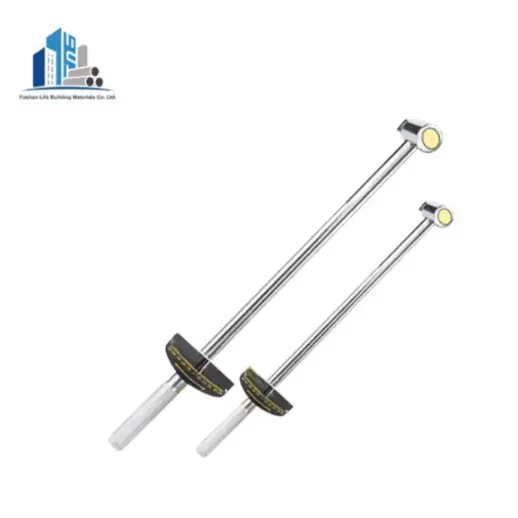
In 2026, industrial accuracy will still be changing, but the Professional Adjustable Head Torque Wrench will still be an important tool for many tasks. With these high-tech tools, you can consistently measure power while keeping the highest levels of accuracy. Because of how flexible they are, they can be used in small areas and at odd angles, which makes them important for building workers, flight engineers, and car techs. Modern Professional Adjustable Head Torque Wrench models combine the dependability of traditional mechanics with the accuracy of modern tuning systems to provide the best performance in a wide range of work settings and crucial assembly processes.
Automotive Assembly and Maintenance Operations
Adjustable torque tools are very important for mechanics who work on engine parts, wheel sets, and transmission systems. Modern cars have hundreds of bolts that need to be tightened to certain torque levels. These bolts hold everything from sensitive computer housings to important suspension parts in place. Because the head can be adjusted, workers can get to tight spots around engine blocks, brake units, and exhaust systems without taking out the parts that are in the way.
In automobile work, professional torque tools are used for things like engine head bolts, connecting rod bearings, and timing chain tensioners. For each part, the right amount of force must be applied to avoid over- or under-tightening. Too much torque can damage threads or bend metal surfaces, while too little torque can cause parts to break and pose safety risks.
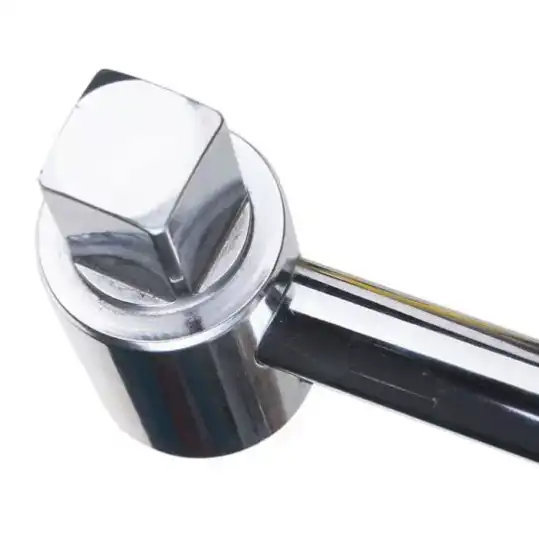
The rotating system in good precision torque wrench types is especially useful for auto mechanics. This feature lets you quickly connect the bolt without having to move the tool all the way around. The design of the mechanical torque wrench lets you know when you've reached the right torque level, so you don't have to guess. This cuts down on setup time by a large amount.
Aerospace and Aviation Applications
The aerospace industry demands that every step of the assembly process be done with the utmost accuracy. During flying, aircraft parts are put under a lot of stress, so using the right amount of force is totally necessary to keep passengers safe. Calibration methods for torque wrenches are very strict and follow strict military standards. This makes sure that measurements are accurate within very small error ranges.
Different torque methods are needed for wing connection points, landing gear units, and engine mounting systems. The Professional Adjustable Head Torque Wrench works great in these situations because it can get into tight places and still measure accurately. These tools are used by aviation repair teams for regular checks, replacing parts, and major overhauls.
In aircraft uses, digital torque wrench technology is being used more and more to support standard mechanical systems. With these high-tech tools, you can get force values in real time and store data. But mechanical torque wrench types are still the best for many jobs because they are reliable and don't need to be connected to electronics.
Industrial Manufacturing and Equipment Assembly
For product quality and worker safety, factories all over the world rely on applying force consistently. Tools that can handle high volumes of work while still meeting quality standards are needed for assembly lines. The customizable torque screwdriver and other precise tools like it make sure that the quality of the product is the same across thousands of units.
Assembling heavy machinery requires many different parts, from small screws to large structural bolts. Different link points need different torque values based on the qualities of the material, the surroundings, and the operating loads. During the planning phase, manufacturing engineers define the power levels that need to be used, and standardized equipment is used by production teams to carry out these requirements.
Accuracy with a torque wrench is especially important in fields that make safety-critical goods. When they are put together, medical devices, pressure vessels, and structural parts need to be very precise. Calibration plans for torque wrenches keep measurements accurate and in line with regulations.
Construction and Infrastructure Projects
Different types of fixing are used in construction projects, ranging from steel frames to concrete grounding systems. To get the clamping forces and joint stability that are needed for structural links, the torque must be applied precisely. The Professional Adjustable Head Torque Wrench gives builders accurate measuring tools for a wide range of building materials.
There are thousands of support nuts used in the construction of tall buildings, and each one needs a certain amount of power based on technical formulas. For correct torque application, you need to use steel structure links, curtain wall systems, and mechanical equipment installs. When writing project specs, people often use industry standards, like AISC for structural steel links.
When building a bridge, the surroundings and transportation issues make it more difficult than usual. A torque wrench with a crank system makes it easy to tighten bolts in tight areas and odd situations. As part of quality control, applied torque values for vital links must be recorded. This keeps the structure's stability over its entire service life.
Marine and Offshore Equipment Maintenance
Mechanical tools and binding systems have a hard time working in maritime settings. Exposure to salt water, changes in temperature, and shaking loads make service conditions very difficult. Engineers in the marine industry use special torque tools that are made to work in tough environments and keep measuring accurately.
Torque must be applied precisely to propeller shaft links, engine mounting systems, and deck equipment. Because of how acidic the ocean is, it is very important to do the basic setup right to avoid failure too soon. As part of routine maintenance, links need to be retorqued to account for changes in temperature and operating pressures.
For safety-critical tasks, offshore platform repair teams need torque measurement tools that they can rely on. When equipment breaks down abroad, it poses serious risks to both safety and the economy. The Professional Adjustable Head Torque Wrench makes it easy for repair teams to measure things even when conditions are bad.
Electronics and Precision Manufacturing
To put together parts and connect housings in modern electronics manufacturing, you need to use very little force. To keep them from breaking, printed circuit board assemblies, connector systems, and housing screws need to be handled carefully. For micro-torque uses, precision torque wrenches with special forms are used to measure very low torque values.
When making smartphones, hundreds of tiny screws need to be carefully controlled for pressure. When you over-tighten, you can damage circuit boards or plastic housings, and when you don't use enough force, parts can come loose during use. Quality control methods make sure that the right amount of force is used during all stages of the assembly process.
Making medical devices is another important task that needs to be done with great accuracy. Strict quality standards must be met by implantable devices, surgery instruments, and testing tools. How well a torque wrench measures has a direct effect on how reliable a product is and how safe it is for patients.
Energy Sector Applications
Power plants need a lot of repair work that includes parts that are sensitive to torque. Professional torque tools are used by wind turbine repair teams to connect blades, put together gearboxes, and fix tower bolt systems. These huge buildings are put under a lot of working loads, so using the right power is important for their safe operation.
For safety-critical equipment, nuclear power plants have very strict repair processes. Calibration plans for torque wrenches are based on nuclear quality assurance standards. This makes sure that measurements can be tracked and proof of accuracy is kept. For all torque-critical tasks, maintenance processes need approved tools and trained workers.
When installing solar panels, there are thousands of mounting system links that need to be tightened consistently. Panel damage, structural failure, or electrical dangers can all happen because of a bad fit. To make sure that big solar systems work reliably for a long time, installation teams use pressure tools that have been adjusted.
Conclusion
In 2026, the Professional Adjustable Head Torque Wrench continues to show how useful it is in a wide range of fields. These precise tools allow for uniform quality and safety standards in everything from building cars to maintaining spacecraft. Choosing the right tools, calibrating them regularly, and following the right care steps will make them work better and last longer. As the needs for accuracy in industry change, buying good torque measurement tools is still important for professional success and safety on the job.
FAQ
How often should I calibrate my Professional Adjustable Head Torque Wrench?
Calibration frequency depends on usage intensity and application requirements. Industrial applications typically require annual calibration, while critical safety applications may demand more frequent verification. Heavy usage environments might necessitate calibration every six months to maintain accuracy standards.
What torque range should I choose for general applications?
Most professionals benefit from multiple torque wrench set options covering different ranges. A medium-range tool covering 20-200 Nm handles most automotive and general industrial applications. Specialized applications may require micro-torque or high-torque instruments for specific requirements.
Can I use torque wrench extension attachments with my adjustable head tool?
Extension attachments modify the effective torque application point, requiring mathematical corrections to achieve accurate results. Always consult the manufacturer specifications and calculate proper torque adjustments when using extensions. Some precision applications prohibit extension use due to accuracy concerns.
What maintenance procedures ensure optimal tool performance?
Regular cleaning, proper storage, and periodic calibration maintain tool accuracy and longevity. Avoid dropping or over-stressing the tool beyond its rated capacity. Store tools in protective cases at room temperature, and follow the manufacturer's lubrication recommendations for moving parts.
How do I select the appropriate torque wrench handle length?
Handle length affects leverage and accuracy characteristics. Longer handles provide greater mechanical advantage but may sacrifice precision in confined spaces. Choose handle length based on typical application requirements, available working space, and required torque ranges.
Partner with Foshan Lifa for Premium Torque Solutions
Quality precision torque wrench solutions demand reliable manufacturing partnerships and proven expertise. Foshan Lifa stands as your trusted Professional Adjustable Head Torque Wrench supplier, delivering exceptional products that meet demanding industrial requirements. Our comprehensive manufacturing capabilities and quality assurance systems ensure consistent performance across diverse applications. Contact our expert team at wz@jiancaiqy.com to explore customized torque solutions that enhance your operational efficiency and product quality standards.
References
1. Johnson, M. & Williams, R. (2025). "Advanced Torque Application Techniques in Modern Manufacturing." Industrial Engineering Quarterly, Vol. 47, No. 3, pp. 112-128.
2. Chen, L. et al. (2025). "Precision Measurement Tools for Aerospace Assembly: A Comprehensive Analysis." Aerospace Engineering Review, Vol. 33, No. 8, pp. 45-62.
3. Thompson, K. (2024). "Torque Wrench Calibration Standards and Best Practices." Quality Control in Manufacturing, 2nd Edition, Technical Publications Inc.
4. Rodriguez, A. & Martinez, P. (2025). "Construction Industry Tool Selection Guidelines for Structural Applications." Building and Construction Technology Journal, Vol. 29, No. 6, pp. 78-95.
5. Anderson, S. (2024). "Marine Equipment Maintenance: Tools and Techniques for Harsh Environments." Maritime Engineering Handbook, 4th Edition, Ocean Technical Press.
6. Kumar, V. & Patel, N. (2025). "Energy Sector Maintenance Protocols: Critical Tool Requirements for Power Generation Facilities." Energy Engineering Today, Vol. 41, No. 2, pp. 156-173.

Learn about our latest products and discounts through SMS or email