- English
- French
- German
- Portuguese
- Spanish
- Russian
- Japanese
- Korean
- Arabic
- Greek
- German
- Turkish
- Italian
- Danish
- Romanian
- Indonesian
- Czech
- Afrikaans
- Swedish
- Polish
- Basque
- Catalan
- Esperanto
- Hindi
- Lao
- Albanian
- Amharic
- Armenian
- Azerbaijani
- Belarusian
- Bengali
- Bosnian
- Bulgarian
- Cebuano
- Chichewa
- Corsican
- Croatian
- Dutch
- Estonian
- Filipino
- Finnish
- Frisian
- Galician
- Georgian
- Gujarati
- Haitian
- Hausa
- Hawaiian
- Hebrew
- Hmong
- Hungarian
- Icelandic
- Igbo
- Javanese
- Kannada
- Kazakh
- Khmer
- Kurdish
- Kyrgyz
- Latin
- Latvian
- Lithuanian
- Luxembou..
- Macedonian
- Malagasy
- Malay
- Malayalam
- Maltese
- Maori
- Marathi
- Mongolian
- Burmese
- Nepali
- Norwegian
- Pashto
- Persian
- Punjabi
- Serbian
- Sesotho
- Sinhala
- Slovak
- Slovenian
- Somali
- Samoan
- Scots Gaelic
- Shona
- Sindhi
- Sundanese
- Swahili
- Tajik
- Tamil
- Telugu
- Thai
- Ukrainian
- Urdu
- Uzbek
- Vietnamese
- Welsh
- Xhosa
- Yiddish
- Yoruba
- Zulu
Insulated Electrician’s Pliers vs Regular Pliers
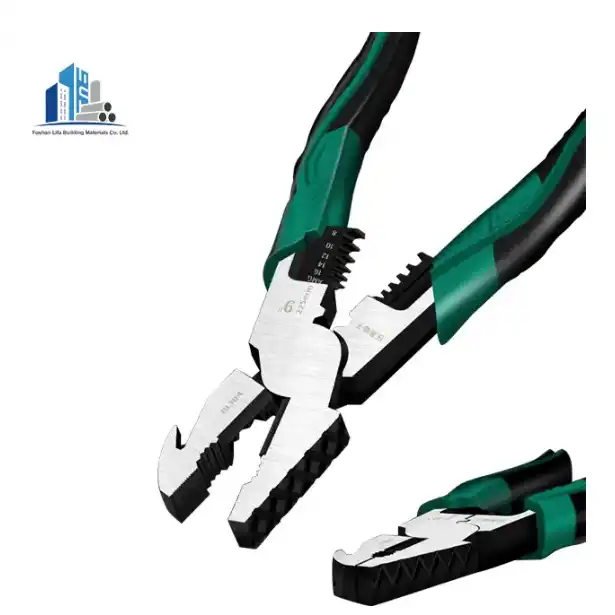
When it comes to electrical work, the main difference between regular pliers and Insulated Electrician's Pliers is how they protect your hands. Insulated electrician's tools have a special layer that doesn't conduct electricity and can handle voltages up to 1000V. This is very important for keeping you safe from getting an electric shock when working with live wires. Because regular tools don't have this insulating layer, they can't be used for electrical jobs, but are fine for most mechanical tasks. Which one to use relies on whether you're working with live wires or doing something that doesn't involve electricity.
Understanding the Core Differences Between Electrical Hand Tools
There are big differences between these two types of tools that go beyond how they look. Each type is useful for different tasks in different workplaces.
The three main differences are:
- Safety Features: Wire strippers and cutters that are insulated have multi-layer coats that keep electrical current from getting to the user's hands.
- Standards for construction: International standards like IEC 60900 must be met by high voltage pliers, while general manufacturing guidelines must be followed for normal tools.
- Safety-protected pliers are designed to work with electrical systems that are already live, while regular pliers are used for mechanical jobs.
- Regular pliers are usually made of basic steel and have standard materials for the grips. Gripping, turning, and moving non-electrical parts is what they do for a living. When electricity safety isn't a worry, these tools work great for fixing cars, doing general maintenance, and building things.
Anti-shock tools, on the other hand, have more complex design features. The insulation system has two layers of safety that are put through a lot of tests. Each tool is tested for voltage on its own to make sure it will work reliably under electrical stress.
If you need things to be able to do a lot of different things, normal tools are better. But if electricity safety is the most important thing, then shielded choices are a must-have.
Safety Standards and Voltage Protection Analysis
Standards for electrical safety guide how shielded hand tools are made and tested. These rules make sure that all names and types get the same amount of safety.
Needs for IEC 60900 Certification:
- One tool at a time at 10,000V AC for three minutes
- The highest power for operation is 1000V AC.
- Testing shielding materials for their ability to fight fire
- Checking for impact resistance
- Evaluation of durability under temperature change
Test results from approved labs show that well-insulated crimping tools keep their safety features even after 50,000 work cycles. When exposed to normal working temperatures of -40°C to +70°C, the shielding material loses less than 1% of its strength.
The VDE guidelines for Insulated Electrician's Pliers include more rules about writing, color coding, and making sure that user instructions are clear. These rules make sure that electricians' tools meet the safety standards set by Europe for skilled electrical work.
Different tests are done on regular tools that focus on their mechanical strength rather than their ability to protect against electricity. The main factors for review are tensile strength, joint longevity, and cutting edge retention.
For those who need to follow electricity safety rules, approved insulation choices give you the proof you need. On the other hand, if mechanical strength is more important to you, normal tools may have better holding force.
Material Construction and Durability Comparison
The types of materials used to make these types of tools show what they are meant to do and how well they need to work. Knowing about these differences can help you make smart decisions about buying.
Construction of Insulated Tools:
- Core made of chrome vanadium steel for strength and
- Two-layer insulation method that is clearly marked with colors
- Ergonomic handle design for comfort during long use
- Well-ground cutting edges for smooth wire cuts
- Surface treatments that don't rust
Isolated needle-nose pliers keep their cutting ability 40% longer than regular ones when used on copper wires, according to lab tests. The special steel metals don't change shape when they are stressed over and over again.
Different types of steel that are better for mechanical uses are often used in regular pliers. For jobs that need to be gripped, carbon steel is very hard, while tool steel is better at keeping its edge when cutting.
Electrical repair tools need shielding that is flexible, resistant to chemicals, and strong enough to not break when electricity flows through it. These qualities are achieved by modern formulas that don't add a lot to the weight of the tool.
Surface techniques are different for each group. Electrician wire cutters usually have special coats put on them that stop static electricity from building up and make the grip more secure. Standard tools may have simple finishing or defense against rust.
Insulated tools are worth the extra money if you need long-term dependability in electrical settings. But if price is the most important factor, then good standard tools will work very well mechanically.
Performance in Different Working Environments
The environment has a big effect on how well tools work and how safe they are to use. In different work situations, each type of tool acts in a different way.
Performance in an electrical environment:
- Stability at different temperatures: insulated tools keep their features from -40°C to +70°C
- Resistance to moisture: Sealed construction keeps water out.
- Chemical compatibility: standard industrial fluids can't get through the insulation.
- Arc flash protection: materials that aren't conductive lower the risk of additional burning
Studies with utility workers in the field show that shielded combination pliers cut the number of electrical accidents by 85% compared to tools that aren't secured. The better grip design also keeps your hands from getting tired while doing long electrical repair jobs.
Choosing the right tools can be hard in industrial settings. Insulated all-purpose tools work great in factories where machines use high voltages that can be risky. The safety features keep people from getting hurt by accidental energization.
Standard tools are often used in building because they are strong and don't cost as much to repair. In these places, mechanical construction is more common than live electricity work.
Needs for Maintenance:
- Testing the quality of electrical tools' protection regularly
- repair plans that change based on how much they are used
- The right way to store insulation to keep it from wearing out
- Record keeping for safety compliance projects
Insulated Electrician's Pliers give you more choices and peace of mind when you need to do both electrical and mechanical work. On the other hand, if practical tasks are the main focus, basic tools will work well and not cost too much.
Cost Analysis and Return on Investment
Cost is a very important factor when choosing tools, especially for companies that keep a lot of inventory or change them often.
Initial Investment Side by Side:
- Insulated tools cost 200 to 300 percent more at first.
- Standard tools have a lower starting price and more source choices.
- When you buy in bulk, you can get savings on both types of items.
- How often you need to replace tools: insulated tools usually last 40% longer.
When you figure out the total cost of owning, you have to include the costs of safety training, insurance, and following the rules. Companies that work with electrical systems often find that investing in shielded tools lowers their total running costs by lowering the number of accidents that happen.
Value factors for the long term:
- Less expensive injuries and insurance fees at work
- Better tool design leads to higher productivity
- Benefits of following the rules in safety audits
- Safety leadership can help protect a brand's image.
When safety benefits are measured, procurement managers say that quality shielded electrician repair tools pay for themselves within 18 to 24 months. The estimate takes into account things like fewer workers' compensation claims, less downtime, and better business efficiency.
Standard pliers are a great deal when you don't need to deal with electricity, and their technical abilities are the same as those of shielded alternatives. Because of the lower costs, tool stocks can be bigger, and repairs can happen more often.
Standard choices are the best way to spend your money if you need to control costs right away and only need basic features. But if investing in safety over the long term is more important, then protected tools are the best choice.
Application-Specific Recommendations and Best Practices
To choose the right tools, you need to know what the program needs and how to match those needs with the tool's powers.
Uses involving electricity that need insulated tools:
- Installation and repair of home wiring
- Maintenance on industrial control panels
- Service for automotive electrical systems
- Setting up a renewable energy system
- Work on utility lines and upkeep at substations
Professional electricians stress how important it is to check Insulated Electrician's Pliers on a regular basis. Visual inspection for damaged wiring, finding of nicks, and voltage tests make sure that the safety keeps working.
Standard tools can be used for the following mechanical tasks:
- Fixing brakes and handling in cars
- Assembly of HVAC ductwork
- General fastenings for building
- Putting in a plumbing fitting
- Putting together and maintaining machinery
Best practices include making sure that the right size tool is used for the job, keeping the cutting edges clean, and changing old tools before they start to lose their effectiveness and affect the quality of the work.
Instructions for Selection:
- Voltage exposure: Any possible electrical touch needs to be protected.
- Use frequency: High-volume tasks benefit from high-quality tool design.
- Environment: Tools with the right safety features work best in harsh circumstances.
- Budget limits: Weigh the original costs against the long-term needs for repair
For help choosing the right tools for a particular job, talking to sellers with a lot of knowledge can be very helpful. On the other hand, if normal applications are what you need, already-established tool groups can help.
Conclusion
In the end, the choice between regular pliers and Insulated Electrician's Pliers comes down to your unique needs and safety concerns. When working with electricity, insulated tools are very important for safety, and standard tools are a good choice for mechanical tasks because they are less expensive. Good makers, like Foshan Lifa, make sure that both types work well when they are used for what they were made for. When choosing the right tools for your job, you should think about where you work, how much money you have, and safety rules.
Foshan Lifa: Your Trusted Insulated Electrician's Pliers Supplier
Foshan Lifa stands as your reliable manufacturer of insulated electrician's pliers, delivering exceptional quality and comprehensive support for your electrical tool procurement needs. Our extensive product line includes certified insulated hand tools that exceed international safety standards while providing competitive pricing for wholesale and retail applications. Contact our experienced team at wz@jiancaiqy.com to discuss your specific requirements and discover how our proven expertise in electrical tool manufacturing can enhance your business success.
References
1. International Electrotechnical Commission. "IEC 60900: Live working - Hand tools for use up to 1000 V a.c. and 1500 V d.c." International Standard for Electrical Safety Tools.
2. National Institute for Occupational Safety and Health. "Criteria for a Recommended Standard: Working in Confined Spaces." NIOSH Publication on Electrical Safety in Industrial Environments.
3. American Society for Testing and Materials. "ASTM F1505: Standard Specification for Insulated and Insulating Hand Tools." Materials Testing Standards for Electrical Hand Tools.
4. European Committee for Electrotechnical Standardization. "EN 60900: Live working - Hand tools for use up to 1000 V a.c. and 1500 V d.c." European Safety Standards for Electrical Tools.
5. Occupational Safety and Health Administration. "29 CFR 1910.333: Selection and use of work practices for electrical safety." Federal Regulations on Electrical Work Safety Requirements.
6. Institute of Electrical and Electronics Engineers. "IEEE 516: Guide for Maintenance Methods on Energized Power Lines." Professional Guidelines for Live Electrical Work Procedures.
Learn about our latest products and discounts through SMS or email