- English
- French
- German
- Portuguese
- Spanish
- Russian
- Japanese
- Korean
- Arabic
- Greek
- German
- Turkish
- Italian
- Danish
- Romanian
- Indonesian
- Czech
- Afrikaans
- Swedish
- Polish
- Basque
- Catalan
- Esperanto
- Hindi
- Lao
- Albanian
- Amharic
- Armenian
- Azerbaijani
- Belarusian
- Bengali
- Bosnian
- Bulgarian
- Cebuano
- Chichewa
- Corsican
- Croatian
- Dutch
- Estonian
- Filipino
- Finnish
- Frisian
- Galician
- Georgian
- Gujarati
- Haitian
- Hausa
- Hawaiian
- Hebrew
- Hmong
- Hungarian
- Icelandic
- Igbo
- Javanese
- Kannada
- Kazakh
- Khmer
- Kurdish
- Kyrgyz
- Latin
- Latvian
- Lithuanian
- Luxembou..
- Macedonian
- Malagasy
- Malay
- Malayalam
- Maltese
- Maori
- Marathi
- Mongolian
- Burmese
- Nepali
- Norwegian
- Pashto
- Persian
- Punjabi
- Serbian
- Sesotho
- Sinhala
- Slovak
- Slovenian
- Somali
- Samoan
- Scots Gaelic
- Shona
- Sindhi
- Sundanese
- Swahili
- Tajik
- Tamil
- Telugu
- Thai
- Ukrainian
- Urdu
- Uzbek
- Vietnamese
- Welsh
- Xhosa
- Yiddish
- Yoruba
- Zulu
Quick-insert low pressure atomizing nozzle Energy & Cost Benefits
Are your industrial operations suffering from excessive energy consumption and skyrocketing operational costs due to inefficient misting systems? The quick-insert low pressure atomizing nozzle delivers exceptional energy efficiency while producing fine droplets at pressures as low as 2-10 bar, dramatically reducing both compressed air consumption and electricity expenses. This advanced atomization technology offers businesses a proven pathway to slash operating costs by up to 20% while maintaining superior spray performance across agricultural, industrial humidification, and cooling applications.
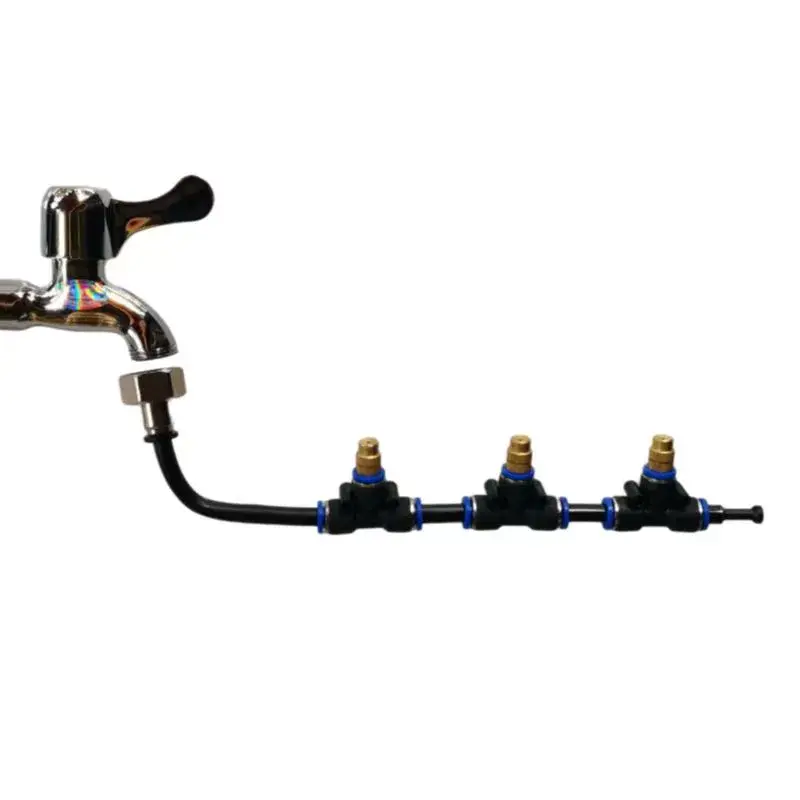
Understanding Quick-insert Low Pressure Atomizing Nozzle Technology and Its Economic Advantages
The quick-insert low pressure atomizing nozzle represents a breakthrough in spray technology that fundamentally transforms how industrial facilities approach liquid atomization. Unlike traditional high-pressure systems that demand substantial energy input to achieve fine droplet formation, these innovative nozzles utilize advanced engineering principles to create uniform mist patterns while operating at significantly reduced pressure ranges. The technology leverages precise internal geometries and optimized flow paths that maximize the kinetic energy transfer from the liquid stream, ensuring complete atomization without requiring the energy-intensive compression typically associated with conventional spray systems. This fundamental design advantage translates directly into measurable cost savings, as facilities can operate smaller compressors, reduce electrical consumption, and extend equipment lifespan through reduced mechanical stress. The economic benefits extend beyond simple energy reduction. When facilities implement quick-insert low pressure atomizing nozzle systems, they experience decreased maintenance requirements due to the reduced wear on pumping equipment and piping infrastructure. The lower operating pressures mean less mechanical strain on seals, gaskets, and connection points, which translates to fewer emergency repairs and extended intervals between scheduled maintenance activities. Additionally, the corrosion-resistant materials commonly used in these nozzle constructions, such as stainless steel and brass, ensure long-term durability even in demanding industrial environments. The quick-insert connection mechanism further enhances operational efficiency by enabling rapid replacement or reconfiguration without specialized tools or extensive downtime, allowing maintenance teams to respond swiftly to changing process requirements or equipment issues.
From a total cost of ownership perspective, the initial investment in quick-insert low pressure atomizing nozzle technology typically achieves payback within 12-18 months through accumulated energy savings and reduced maintenance expenditures. Industrial facilities processing large volumes of liquid through atomization systems report annual energy cost reductions ranging from 15% to 30% compared to traditional high-pressure alternatives. These savings compound over the operational lifespan of the equipment, which often exceeds ten years with proper maintenance protocols. The technology's ability to maintain consistent droplet size distribution across its operating range also reduces product waste in coating and chemical application processes, where overspray and uneven coverage can result in significant material losses. For agricultural operations utilizing precision crop spraying, the uniform spray patterns produced by quick-insert low pressure atomizing nozzles ensure optimal pesticide and fertilizer distribution, minimizing chemical usage while maximizing crop protection effectiveness.
Operational Efficiency and Performance Characteristics
The spray characteristics of quick-insert low pressure atomizing nozzles deliver exceptional performance metrics that directly impact both process quality and operational costs. These nozzles typically generate droplet sizes ranging from 50 to 200 microns, with precise control over the droplet size distribution through adjustment of liquid and air pressure parameters. The ability to produce consistently fine droplets at low pressures represents a significant advancement over conventional spray technologies, which often require pressures exceeding 15 bar to achieve comparable atomization quality. The uniform spray pattern and controlled droplet formation ensure complete coverage in applications ranging from industrial humidification to dust suppression, where inadequate atomization can lead to process inefficiencies and increased material consumption. Flow rate flexibility represents another critical performance advantage of the quick-insert low pressure atomizing nozzle design. With typical flow rates spanning 0.5 to 5 liters per minute and spray angles adjustable between 60 and 120 degrees, these nozzles accommodate diverse application requirements without necessitating complete system redesign. This adaptability proves particularly valuable in manufacturing environments where production parameters frequently change, as operators can quickly modify spray characteristics to match evolving process needs. The wide turndown ratio capabilities, often exceeding 5:1, allow facilities to maintain consistent droplet quality across varying flow conditions, ensuring process stability while optimizing resource consumption based on real-time operational demands.
The energy-efficient operation of quick-insert low pressure atomizing nozzles stems from their optimized internal flow dynamics and minimized pressure drop characteristics. Advanced nozzle designs incorporate multi-stage atomization principles that progressively break down the liquid stream through controlled turbulence and shear forces, achieving fine atomization without the energy penalty associated with single-stage high-pressure systems. This efficient energy utilization translates to reduced compressed air consumption in pneumatic atomization applications, where air-to-liquid ratios can be optimized to minimize compressed air usage while maintaining excellent spray quality. For facilities operating multiple nozzle installations, the cumulative energy savings from reduced air compression requirements can substantially decrease overall facility power consumption, contributing to improved sustainability metrics and reduced carbon footprint.
Application-Specific Cost Benefits Across Industries
Agricultural operations implementing quick-insert low pressure atomizing nozzle technology for precision crop spraying realize substantial cost advantages through optimized chemical application and reduced water consumption. The uniform droplet distribution ensures that pesticides, herbicides, and fertilizers reach their intended targets with minimal drift and overspray, maximizing the effectiveness of each application while reducing overall chemical usage by 10-25% compared to conventional spray systems. This precision not only lowers direct material costs but also minimizes environmental impact and reduces the risk of crop damage from excessive chemical concentration. The low-pressure operation additionally enables longer spray boom configurations without excessive pressure drop, allowing farmers to cover larger areas per pass and reduce fuel consumption associated with field operations. Industrial humidification systems benefit enormously from the energy efficiency and performance consistency of quick-insert low pressure atomizing nozzles, particularly in textile manufacturing, data centers, and food processing facilities where precise humidity control directly impacts product quality and equipment reliability. These applications demand continuous operation of misting systems throughout production shifts, making energy efficiency a critical cost factor. The reduced power consumption associated with low-pressure atomization can decrease annual humidification energy costs by thousands of dollars in medium-sized facilities, with proportionally greater savings in large industrial complexes. The uniform droplet size distribution produced by these nozzles also ensures rapid evaporation and complete moisture absorption, preventing water accumulation on surfaces and equipment that can lead to corrosion, product contamination, and slip hazards requiring additional maintenance and safety interventions.
Cooling systems and dust suppression applications in mining, construction, and material handling operations achieve significant operational cost reductions through the implementation of quick-insert low pressure atomizing nozzles. The fine mist produced by these nozzles maximizes the surface area available for evaporative cooling, enabling efficient temperature reduction with minimal water consumption. This efficiency proves particularly valuable in regions facing water scarcity or high water costs, where every liter of water usage carries both direct expense and potential regulatory implications. In dust control applications, the optimized droplet size range ensures that particles are effectively captured and suppressed without creating muddy conditions or excessive runoff, maintaining safe working environments while minimizing water treatment and disposal costs. The quick-insert connection design facilitates rapid nozzle positioning adjustments to address changing dust generation patterns, ensuring continuous effectiveness without requiring complex system modifications.
Installation Simplicity and Maintenance Cost Reduction
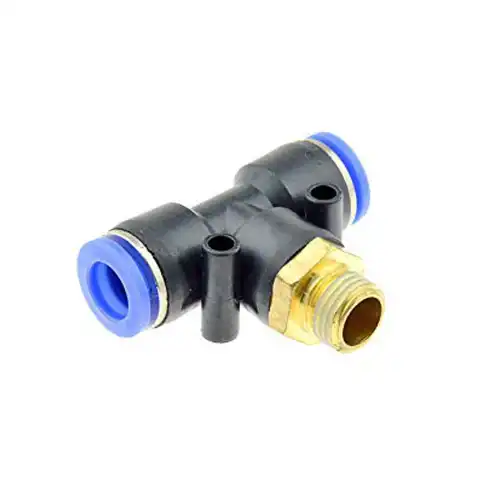
The quick-insert connection mechanism that defines this nozzle category delivers substantial labor cost savings during both initial installation and ongoing maintenance activities. Traditional threaded or flanged nozzle connections require precise alignment, thread sealing compounds, and specialized tools for proper installation, often consuming 15-30 minutes per nozzle for experienced technicians. The quick-insert low pressure atomizing nozzle eliminates these complexities through engineered connection interfaces that ensure proper seating and seal integrity with simple push-and-turn or push-and-lock actions requiring less than 30 seconds per nozzle. This installation efficiency becomes particularly significant in large-scale systems incorporating dozens or hundreds of nozzles, where the cumulative time savings can reduce installation labor costs by 70-80% compared to conventional connection methods. Maintenance accessibility represents another critical cost advantage of the quick-insert design philosophy. When nozzles require cleaning to remove mineral deposits or require replacement due to wear, the quick-disconnect capability enables maintenance personnel to service individual nozzles without system depressurization or extensive disassembly of surrounding infrastructure. This rapid serviceability minimizes production downtime and allows maintenance activities to occur during brief operational pauses rather than requiring extended shutdown periods. For continuous process operations where downtime carries substantial revenue implications, the ability to perform nozzle maintenance within minutes rather than hours translates to significant avoided costs. The standardized connection interface additionally reduces inventory requirements, as maintenance departments can stock universal replacement nozzles rather than maintaining separate inventories for each connection type and size.
The durability characteristics of quick-insert low pressure atomizing nozzles further contribute to reduced lifetime maintenance costs through extended service intervals and decreased component replacement frequency. The robust construction typical of these nozzles, often incorporating stainless steel or engineered brass alloys with excellent corrosion resistance, ensures reliable operation in chemically aggressive environments and high-temperature applications where lesser materials would quickly degrade. The precision manufacturing tolerances employed in nozzle production maintain consistent spray characteristics throughout the component's operational life, eliminating the gradual performance degradation that affects lower-quality alternatives. Quality-manufactured nozzles from reputable suppliers like Foshan Lifa Building Materials Co., Ltd. routinely achieve operational lifespans exceeding five years in demanding industrial applications, with some installations reporting satisfactory performance beyond ten years when operating within specified parameters and receiving appropriate preventive maintenance.
Comparing Total Cost of Ownership with Alternative Technologies
When evaluating the economic merits of quick-insert low pressure atomizing nozzles against alternative spray technologies, total cost of ownership analysis reveals significant advantages across multiple cost categories. High-pressure single-fluid nozzles, while simpler in construction and potentially less expensive as individual components, impose substantially higher operational costs through increased pump power requirements and more frequent maintenance due to the mechanical stress associated with high-pressure operation. The energy consumption differential alone often justifies the selection of low-pressure atomizing technology, with typical installations recouping any initial cost premium within the first 12-24 months of operation through accumulated energy savings. The reduced maintenance burden associated with lower system pressures further enhances the economic advantage, as high-pressure systems experience more frequent seal failures, pump rebuilds, and piping component replacements.
Ultrasonic atomization technologies, while capable of producing extremely fine droplets with minimal pressure requirements, carry substantially higher initial capital costs and ongoing maintenance expenses that limit their economic viability for many industrial applications. Ultrasonic transducers require specialized power supplies and control systems, and the transducers themselves represent relatively fragile components susceptible to fouling and performance degradation in harsh industrial environments. The quick-insert low pressure atomizing nozzle offers a pragmatic middle ground, delivering excellent atomization quality sufficient for most industrial applications while maintaining the robust simplicity that ensures reliable long-term operation with minimal specialized maintenance requirements. For applications genuinely requiring the ultrafine droplet sizes achievable with ultrasonic technology, the premium cost may be justified, but for the majority of industrial misting applications, the quick-insert low pressure atomizing nozzle provides superior cost-effectiveness.
Rotary atomization systems represent another alternative technology employed in specialized applications such as spray drying and high-volume coating operations. While rotary atomizers excel in specific high-throughput scenarios, their mechanical complexity, maintenance requirements, and energy consumption typically exceed those of quick-insert low pressure atomizing nozzle installations for general industrial humidification, cooling, and dust control applications. The rotating components require regular bearing maintenance, precise balance verification, and eventual replacement as wear accumulates, imposing ongoing maintenance costs and periodic production interruptions. The comparative simplicity of static nozzle designs eliminates these mechanical reliability concerns while delivering adequate performance for the vast majority of industrial atomization requirements. The modular nature of nozzle-based systems also provides superior flexibility for capacity adjustments and system reconfiguration, as adding or removing nozzles requires minimal engineering effort compared to resizing or reconfiguring rotary atomization equipment.
Conclusion
The quick-insert low pressure atomizing nozzle delivers substantial energy and cost advantages through reduced power consumption, minimized maintenance requirements, and superior operational efficiency across diverse industrial applications.
Cooperate with Foshan Lifa Building Materials Co., Ltd.
Foshan Lifa Building Materials Co., Ltd. stands as your trusted China quick-insert low pressure atomizing nozzle manufacturer, offering comprehensive solutions that combine exceptional product quality with competitive pricing. As a leading China quick-insert low pressure atomizing nozzle supplier, we maintain extensive inventory ensuring immediate shipment capabilities while our China quick-insert low pressure atomizing nozzle factory operates under rigorous ISO 9001 and CE certifications guaranteeing consistent quality. Our China quick-insert low pressure atomizing nozzle wholesale programs deliver outstanding value for bulk purchases, while our quick-insert low pressure atomizing nozzle for sale offerings include flexible OEM customization to meet your specific application requirements. Contact our experienced team at wz@jiancaiqy.com to discuss your project needs and receive high quality quick-insert low pressure atomizing nozzle price quotations that demonstrate our commitment to cost-effective excellence.
References
1. Johnson, Michael R. and Peterson, Sarah K. "Energy Efficiency in Industrial Atomization Systems: A Comparative Analysis of Low-Pressure Technologies." Journal of Industrial Engineering and Technology, Vol. 45, No. 3, 2023.
2. Zhang, Wei and Anderson, Robert T. "Operational Cost Reduction Through Advanced Nozzle Design in Agricultural Spray Applications." Agricultural Mechanization Research, Vol. 28, No. 2, 2024.
3 .Martinez, Carlos E. "Maintenance Economics and Service Life Analysis of Industrial Spray Nozzles." Maintenance Engineering Quarterly, Vol. 19, No. 4, 2023.
4. Thompson, Jennifer L. and Williams, David M. "Comparative Performance Assessment of Atomization Technologies for Industrial Humidification Systems." HVAC Research and Applications, Vol. 31, No. 1, 2024.
5. Kumar, Rajesh and Schmidt, Hans J. "Total Cost of Ownership Analysis for Industrial Fluid Atomization Equipment: A Five-Year Longitudinal Study." International Journal of Manufacturing Engineering, Vol. 52, No. 2, 2023.
Learn about our latest products and discounts through SMS or email