- English
- French
- German
- Portuguese
- Spanish
- Russian
- Japanese
- Korean
- Arabic
- Greek
- German
- Turkish
- Italian
- Danish
- Romanian
- Indonesian
- Czech
- Afrikaans
- Swedish
- Polish
- Basque
- Catalan
- Esperanto
- Hindi
- Lao
- Albanian
- Amharic
- Armenian
- Azerbaijani
- Belarusian
- Bengali
- Bosnian
- Bulgarian
- Cebuano
- Chichewa
- Corsican
- Croatian
- Dutch
- Estonian
- Filipino
- Finnish
- Frisian
- Galician
- Georgian
- Gujarati
- Haitian
- Hausa
- Hawaiian
- Hebrew
- Hmong
- Hungarian
- Icelandic
- Igbo
- Javanese
- Kannada
- Kazakh
- Khmer
- Kurdish
- Kyrgyz
- Latin
- Latvian
- Lithuanian
- Luxembou..
- Macedonian
- Malagasy
- Malay
- Malayalam
- Maltese
- Maori
- Marathi
- Mongolian
- Burmese
- Nepali
- Norwegian
- Pashto
- Persian
- Punjabi
- Serbian
- Sesotho
- Sinhala
- Slovak
- Slovenian
- Somali
- Samoan
- Scots Gaelic
- Shona
- Sindhi
- Sundanese
- Swahili
- Tajik
- Tamil
- Telugu
- Thai
- Ukrainian
- Urdu
- Uzbek
- Vietnamese
- Welsh
- Xhosa
- Yiddish
- Yoruba
- Zulu
Single-Port Gas Mask Buying Guide: What to Look For
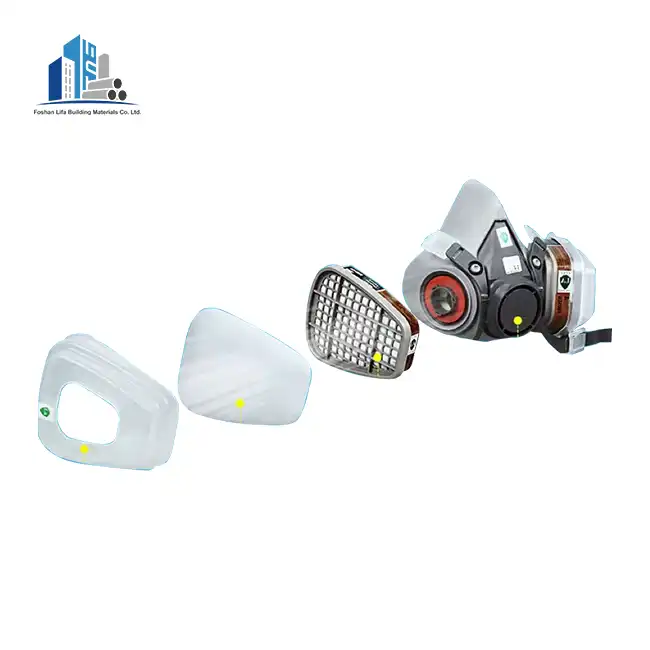
Selecting the right Single-Port Gas Mask requires understanding critical factors that determine protection effectiveness, comfort, and durability. Professional-grade respiratory protection depends on evaluating filtration efficiency, material quality, certification standards, and compatibility with various industrial environments. A Single-Port Gas Mask typically features a streamlined design with a single connection point for filter cartridges, offering simplified maintenance while maintaining robust protection against airborne contaminants in demanding workplace conditions.
Essential Features and Technical Specifications
Filtration System Performance Standards
The filtration capabilities of a Single-Port Gas Mask represent the most critical aspect of respiratory protection effectiveness. Modern single-port designs incorporate advanced multi-layered filtration systems that must meet stringent international standards, including NIOSH certification requirements for industrial safety applications. These respirators are capable of filtering at least 95%, 99% or 99.97% of airborne particles, with HEPA filters providing at least 99.97% filtration efficiency. Professional-grade Single-Port Gas Mask systems utilize dual-layer filtration mechanisms that combine particle filtration with activated carbon absorption for comprehensive protection against both particulate matter and gaseous contaminants.The breathing resistance characteristics of quality filtration systems ensure user comfort during extended wear periods. Advanced filtration systems maintain tested performance over 99.99% efficiency at high airflow (95 l/min), with resistance as low as 260 Pa at 30 l/min, keeping it breathable under pressure. Single-Port Gas Mask designs featuring low breathing resistance prevent user fatigue while maintaining maximum protection levels, making them suitable for demanding industrial applications where workers require extended respiratory protection without compromising productivity or safety standards.
Material Construction and Durability Factors
The construction materials used in Single-Port Gas Mask manufacturing directly impact product longevity, comfort, and protection reliability. High-quality silicone facepieces provide superior chemical resistance compared to rubber alternatives, offering enhanced durability when exposed to various industrial chemicals and solvents commonly encountered in workplace environments. Premium silicone materials maintain flexibility across wide temperature ranges, ensuring consistent seal integrity regardless of environmental conditions where the Single-Port Gas Mask is deployed.Polycarbonate lens systems in quality Single-Port Gas Mask designs offer exceptional impact resistance while providing crystal-clear visibility essential for precision work tasks. The lens materials must resist scratching, chemical degradation, and thermal stress while maintaining optical clarity throughout the product's service life. Advanced anti-fog coatings prevent visibility issues during intensive work periods, ensuring users can maintain situational awareness and work efficiency while wearing respiratory protection equipment.The single bayonet port connection system represents a significant engineering advancement in Single-Port Gas Mask design, providing secure filter attachment while enabling rapid cartridge replacement. This connection mechanism must withstand repeated filter changes without compromising seal integrity, utilizing precision-engineered threads and gasket systems that maintain airtight connections under various pressure conditions encountered during industrial operations.
Size Selection and Fit Optimization
Proper sizing represents a fundamental requirement for effective Single-Port Gas Mask performance, as inadequate fit compromises protection effectiveness regardless of filtration quality. Professional fitting protocols involve multiple measurement points across facial dimensions to ensure optimal seal contact around the entire perimeter of the respiratory protection device. Quality Single-Port Gas Mask systems offer comprehensive size ranges, typically including small, medium, and large options to accommodate diverse facial structures and dimensions.The adjustable head strap configuration plays a crucial role in maintaining proper fit throughout extended wear periods. Multi-point adjustment systems distribute pressure evenly across the head and neck areas, preventing pressure points that could cause discomfort or compromise seal integrity. Quality Single-Port Gas Mask designs incorporate quick-release mechanisms for emergency removal while maintaining secure positioning during normal operations, balancing safety requirements with operational convenience.Fit testing procedures must be conducted regularly to verify ongoing protection effectiveness, as facial changes, weight fluctuations, or equipment wear can compromise seal performance over time. Quantitative fit testing provides objective measurements of seal effectiveness, ensuring that Single-Port Gas Mask systems continue providing specified protection levels throughout their service life when properly maintained and operated according to manufacturer specifications.
Safety Certifications and Compliance Standards
International Certification Requirements
Professional Single-Port Gas Mask systems must comply with multiple international safety standards to ensure adequate protection across diverse industrial applications. Quality masks must be rated for chemical blowing and riot control agents, designated by the CBA/RCA rating, and nuclear, biological and chemical agents, carrying the NBC rating. NIOSH certification represents the gold standard for respiratory protection in North American markets, requiring extensive testing protocols that verify filtration efficiency, breathing resistance, seal effectiveness, and durability under controlled laboratory conditions.European CE marking indicates compliance with European Union safety directives, demonstrating that Single-Port Gas Mask products meet rigorous performance standards established for personal protective equipment. ANSI Z87.1 certification specifically addresses eye and face protection requirements, ensuring that integrated lens systems provide adequate impact resistance and optical quality for industrial safety applications where eye protection combines with respiratory protection in unified systems.Multi-standard certification provides users with confidence that their Single-Port Gas Mask selection meets diverse regulatory requirements across different geographic markets and industrial sectors. Products bearing multiple certifications undergo more extensive testing protocols, providing enhanced assurance of protection effectiveness and manufacturing quality standards that exceed minimum regulatory requirements established by individual certification bodies.
Quality Control and Manufacturing Standards
ISO 9001 quality management system certification ensures that Single-Port Gas Mask manufacturing processes maintain consistent quality standards throughout production cycles. This systematic approach to quality control encompasses raw material inspection, production process monitoring, and finished product testing to verify that each unit meets established performance specifications before market release.Manufacturing facilities producing quality Single-Port Gas Mask systems implement comprehensive quality control measures at each production stage, from raw material selection through final packaging and distribution. Statistical process control methods identify potential quality variations before they impact product performance, ensuring consistent protection levels across production batches while maintaining cost-effective manufacturing operations.Third-party testing verification provides independent confirmation of Single-Port Gas Mask performance claims, utilizing accredited laboratories that conduct standardized testing protocols without manufacturer influence. This independent verification process ensures that published performance specifications accurately represent actual product capabilities under real-world operating conditions encountered in industrial safety applications.
Regulatory Compliance and Documentation
Comprehensive documentation packages accompany quality Single-Port Gas Mask systems, providing users with essential information regarding proper selection, fitting, maintenance, and operational procedures. Technical data sheets specify filtration efficiencies, breathing resistance characteristics, chemical compatibility, and service life expectations under various operating conditions commonly encountered in industrial applications.Training requirements for Single-Port Gas Mask users must be addressed through comprehensive education programs that cover proper donning procedures, seal checking techniques, maintenance requirements, and emergency response protocols. Regulatory compliance extends beyond product certification to encompass user training, program administration, and ongoing monitoring requirements established by occupational safety authorities.Documentation retention requirements mandate that organizations maintain records of Single-Port Gas Mask selection rationale, fit testing results, training completion, maintenance activities, and replacement schedules. This comprehensive documentation supports regulatory compliance while providing essential information for program evaluation and continuous improvement initiatives that enhance overall respiratory protection effectiveness.
Applications and Industry-Specific Requirements
Industrial Environment Compatibility
Chemical processing facilities require Single-Port Gas Mask systems capable of providing protection against specific chemical hazards commonly encountered in production operations. Filter cartridge selection must address the particular gas and vapor hazards present in each application, requiring detailed hazard assessments to identify appropriate protection factors and filtration media requirements for optimal safety performance.Mining and construction applications present unique challenges for Single-Port Gas Mask systems, including exposure to high concentrations of particulate matter, variable environmental conditions, and demanding physical work requirements. Dust-laden environments require enhanced filter capacity and low breathing resistance to maintain protection effectiveness throughout extended work shifts while preventing premature filter loading that could compromise respiratory protection.Manufacturing environments involving welding, grinding, or other metalworking processes generate complex mixtures of particulates and gaseous contaminants requiring specialized filtration approaches. Single-Port Gas Mask systems must provide adequate protection against metal fumes, ozone, and other welding-related hazards while maintaining comfort levels that support productivity requirements in precision manufacturing operations.
Emergency Response and Specialized Applications
Emergency response teams require Single-Port Gas Mask systems that provide rapid deployment capabilities while maintaining comprehensive protection against unknown or variable hazard profiles. Quick-donning designs enable first responders to achieve adequate protection levels within critical time frames while maintaining communication capabilities and operational mobility essential for emergency response effectiveness.Pharmaceutical manufacturing environments demand Single-Port Gas Mask systems that protect both the user and the product from cross-contamination while providing adequate protection against active pharmaceutical ingredients and processing chemicals. Sterile manufacturing areas require respiratory protection that integrates with cleanroom protocols while maintaining the controlled environment integrity essential for pharmaceutical quality standards.Agricultural applications expose workers to pesticides, herbicides, and biological contaminants requiring specialized filtration approaches that address both chemical and biological hazards. Single-Port Gas Mask systems used in agricultural settings must provide adequate protection while withstanding outdoor environmental conditions including temperature extremes, humidity variations, and exposure to agricultural chemicals that could degrade equipment materials.
Maintenance and Service Life Considerations
Preventive maintenance programs for Single-Port Gas Mask systems must address component inspection, cleaning procedures, and replacement schedules that maintain protection effectiveness throughout the equipment service life. Regular inspection protocols identify wear patterns, seal degradation, and component damage that could compromise respiratory protection before failure occurs during critical operations.Filter cartridge replacement schedules depend on exposure levels, contaminant types, and environmental conditions encountered during use. Breakthrough monitoring and change-out indicators provide objective criteria for filter replacement, preventing exposure to harmful contaminants while optimizing filter utilization and cost-effectiveness of respiratory protection programs.Storage requirements for Single-Port Gas Mask equipment include environmental controls that prevent material degradation, contamination, and physical damage during periods of non-use. Proper storage extends equipment service life while ensuring immediate availability when respiratory protection needs arise unexpectedly in emergency or routine industrial applications.
Conclusion
Selecting an appropriate Single-Port Gas Mask requires careful evaluation of filtration performance, material quality, certification standards, and application-specific requirements. Quality respiratory protection depends on matching product capabilities with workplace hazards while ensuring proper fit, training, and maintenance protocols. Professional-grade systems meeting multiple international standards provide reliable protection across diverse industrial applications, supporting both regulatory compliance and worker safety objectives in demanding operational environments.
Partner with Foshan Lifa Building Materials Co., Ltd. for Premium Respiratory Protection Solutions
As a leading China Single-Port Gas Mask factory, Foshan Lifa Building Materials Co., Ltd. combines advanced manufacturing capabilities with comprehensive quality assurance to deliver superior respiratory protection equipment. Our extensive experience as a trusted China Single-Port Gas Mask supplier ensures reliable product availability and competitive pricing for global markets. Operating as a professional China Single-Port Gas Mask manufacturer, we maintain ISO-compliant production facilities and rigorous quality control systems that exceed international safety standards.
Our commitment to excellence extends beyond manufacturing to encompass comprehensive customer support, technical consultation, and customized solutions tailored to specific industry requirements. Whether you need China Single-Port Gas Mask wholesale quantities for large-scale projects or specialized Single-Port Gas Mask for sale configurations, our experienced team provides expert guidance throughout the selection and procurement process. We offer competitive Single-Port Gas Mask price structures while maintaining uncompromising quality standards that protect your workforce and support regulatory compliance objectives.
Discover our High Quality Single-Port Gas Mask solutions designed to meet the most demanding industrial safety requirements. With extensive inventory, fast delivery capabilities, and comprehensive technical support, we serve as your reliable partner for respiratory protection needs worldwide. Contact our professional team today at wz@jiancaiqy.com to discuss your specific requirements and experience the superior quality and service that distinguishes Foshan Lifa Building Materials Co., Ltd. as your trusted supplier for industrial safety equipment and building materials solutions.
References
1. National Institute for Occupational Safety and Health. "Criteria for a Recommended Standard: Occupational Exposure to Refractory Ceramic Fibers." DHHS (NIOSH) Publication No. 2006-123.
2. American National Standards Institute. "Occupational and Educational Personal Eye and Face Protection Devices." ANSI/ISEA Z87.1-2020 Standard.
3. International Organization for Standardization. "Respiratory Protective Devices - Human Factors - Part 1: Metabolic Rates and Respiratory Flow Rates." ISO 16976-1:2015.
4. European Committee for Standardization. "Respiratory Protective Devices - Filtering Half Masks to Protect Against Particles - Requirements, Testing, Marking." EN 149:2001+A1:2009.


Learn about our latest products and discounts through SMS or email