- English
- French
- German
- Portuguese
- Spanish
- Russian
- Japanese
- Korean
- Arabic
- Greek
- German
- Turkish
- Italian
- Danish
- Romanian
- Indonesian
- Czech
- Afrikaans
- Swedish
- Polish
- Basque
- Catalan
- Esperanto
- Hindi
- Lao
- Albanian
- Amharic
- Armenian
- Azerbaijani
- Belarusian
- Bengali
- Bosnian
- Bulgarian
- Cebuano
- Chichewa
- Corsican
- Croatian
- Dutch
- Estonian
- Filipino
- Finnish
- Frisian
- Galician
- Georgian
- Gujarati
- Haitian
- Hausa
- Hawaiian
- Hebrew
- Hmong
- Hungarian
- Icelandic
- Igbo
- Javanese
- Kannada
- Kazakh
- Khmer
- Kurdish
- Kyrgyz
- Latin
- Latvian
- Lithuanian
- Luxembou..
- Macedonian
- Malagasy
- Malay
- Malayalam
- Maltese
- Maori
- Marathi
- Mongolian
- Burmese
- Nepali
- Norwegian
- Pashto
- Persian
- Punjabi
- Serbian
- Sesotho
- Sinhala
- Slovak
- Slovenian
- Somali
- Samoan
- Scots Gaelic
- Shona
- Sindhi
- Sundanese
- Swahili
- Tajik
- Tamil
- Telugu
- Thai
- Ukrainian
- Urdu
- Uzbek
- Vietnamese
- Welsh
- Xhosa
- Yiddish
- Yoruba
- Zulu
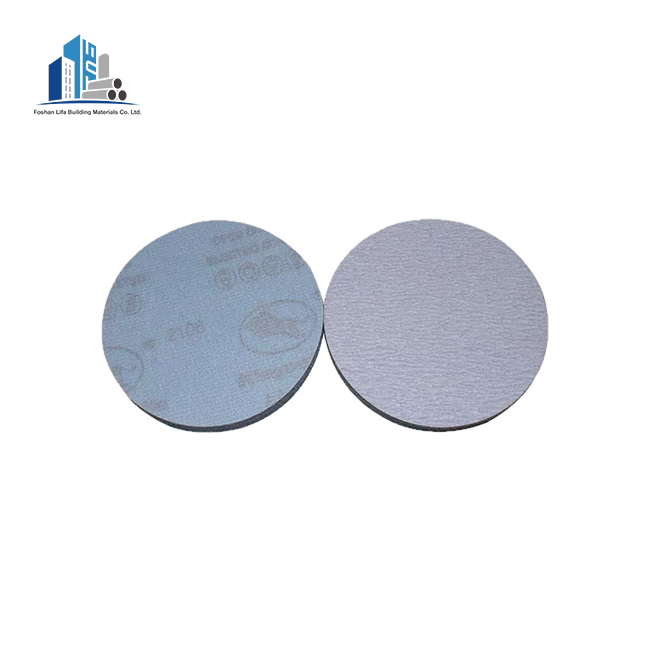
What is wet and dry sandpaper used for?
Imagine starting your automotive restoration project or woodworking masterpiece, only to discover that regular sandpaper leaves scratches, dust clouds, and uneven surfaces that compromise your finish quality. This frustrating scenario plagues countless professionals and DIY enthusiasts daily. Round wet and dry sandpaper emerges as the ultimate solution to these persistent challenges, offering versatility that adapts to both water-lubricated and dry sanding applications. Understanding the comprehensive applications and benefits of wet and dry sandpaper empowers you to achieve professional-grade results while reducing material waste, minimizing dust exposure, and delivering superior surface finishes across diverse industrial and craft applications.
Understanding Round Wet and Dry Sandpaper Applications
Round wet and dry sandpaper represents a revolutionary advancement in abrasive technology, designed to excel in both moisture-rich and traditional dry sanding environments. Unlike conventional sandpaper that deteriorates when exposed to liquids, round wet and dry sandpaper maintains its structural integrity and abrasive effectiveness whether used with water, oils, or completely dry. This dual-functionality makes it indispensable for professionals working across multiple industries, from automotive refinishing to precision metalworking. The unique construction of round wet and dry sandpaper incorporates waterproof adhesives and specially treated backing materials that resist delamination even under prolonged water exposure. This engineering excellence ensures consistent performance throughout extended sanding sessions, reducing material costs and project timelines. When used in wet applications, the water acts as a lubricant that carries away debris, preventing clogging while simultaneously cooling the work surface to prevent heat damage. Professional craftsmen particularly value round wet and dry sandpaper for its ability to produce ultra-smooth finishes that would be impossible with conventional abrasives. The controlled cutting action achieved through water lubrication enables operators to work with finer grits for longer periods, gradually building up to mirror-like surface qualities that meet the most demanding specifications.
-
Automotive Industry Applications
The automotive sector represents one of the largest consumers of round wet and dry sandpaper, where surface preparation and finishing quality directly impact vehicle appearance and protective coating effectiveness. Professional auto body technicians rely on wet sanding techniques using round wet and dry sandpaper to achieve the glass-like finish that distinguishes premium paint jobs from standard work. During the automotive painting process, round wet and dry sandpaper serves multiple critical functions. Initial surface preparation involves using coarser grits to remove old paint, rust, or imperfections, while finer grits prepare the surface for primer application. The wet sanding capability becomes particularly valuable during the color coat and clear coat phases, where technicians use progressively finer grits of round wet and dry sandpaper to eliminate orange peel texture, dust nibs, and other surface irregularities. Professional detailers also utilize round wet and dry sandpaper for paint correction procedures, carefully removing swirl marks, light scratches, and oxidation without damaging the underlying paint layers. This precision work demands the controlled cutting action that only high-quality round wet and dry sandpaper can provide, ensuring consistent results across different paint types and environmental conditions.
Advanced Manufacturing and Metalworking Uses
-
Precision Metal Finishing
Manufacturing facilities across various industries depend on round wet and dry sandpaper for precision metal finishing operations that require exceptional surface quality and dimensional accuracy. Aerospace components, medical devices, and precision instruments all benefit from the controlled material removal capabilities that round wet and dry sandpaper provides when used in wet sanding applications. The metalworking industry particularly values round wet and dry sandpaper for its ability to produce consistent surface roughness values essential for subsequent coating adhesion or assembly requirements. When working with aluminum, stainless steel, or exotic alloys, the heat dissipation properties of wet sanding using round wet and dry sandpaper prevent metallurgical changes that could compromise material properties. Quality control departments in manufacturing facilities often specify round wet and dry sandpaper for final surface preparation because of its predictable performance characteristics and the superior surface finishes it produces. The ability to achieve specific surface roughness measurements consistently makes round wet and dry sandpaper indispensable for applications where surface texture directly affects product performance or appearance.
-
Electronics and Circuit Board Applications
The electronics manufacturing industry has embraced round wet and dry sandpaper for specialized applications where traditional abrasives would cause contamination or damage. Circuit board preparation, component mounting surface finishing, and connector contact polishing all benefit from the controlled abrasive action that round wet and dry sandpaper delivers. When preparing printed circuit boards for component mounting, technicians use fine-grit round wet and dry sandpaper to create optimal surface conditions for solder adhesion while avoiding the static electricity buildup that can damage sensitive electronic components. The wet sanding capability helps remove ionic contamination that could cause reliability issues in the finished product. Connector manufacturers rely on round wet and dry sandpaper for achieving the precise surface finishes required for reliable electrical contact. The consistent cutting action and contamination-free operation make round wet and dry sandpaper the preferred choice for these critical applications where surface quality directly affects product performance and longevity.
Woodworking and Furniture Restoration
-
Fine Woodworking Applications
Woodworking artisans have discovered that round wet and dry sandpaper offers unique advantages for achieving premium furniture finishes and restoration work. While traditional woodworking rarely employs wet sanding techniques, certain applications benefit tremendously from the controlled cutting action and dust-free operation that round wet and dry sandpaper provides. Furniture restoration projects often require the removal of multiple layers of old finish without damaging the underlying wood grain. Round wet and dry sandpaper, when used with appropriate solvents or water-based solutions, can strip finishes gradually while revealing the wood's natural beauty. This controlled approach prevents the aggressive material removal that might occur with conventional dry sanding methods. High-end furniture manufacturers use round wet and dry sandpaper for between-coat sanding of lacquer and polyurethane finishes. This application requires the finest possible surface preparation to achieve the mirror-like finishes expected in luxury furniture. The wet sanding capability allows craftsmen to work with very fine grits without loading the abrasive, resulting in superior surface quality and reduced finishing time.
-
Marine and Outdoor Applications
The marine industry presents unique challenges for surface preparation and maintenance, where round wet and dry sandpaper proves invaluable for both new construction and ongoing maintenance operations. Hull preparation, deck refinishing, and component restoration all benefit from the water-resistant properties and consistent performance of round wet and dry sandpaper. Boat builders and marine maintenance professionals appreciate that round wet and dry sandpaper maintains its cutting effectiveness even when working in humid environments or direct contact with salt water. This reliability is crucial for projects where weather conditions cannot be controlled and work must continue regardless of environmental factors. Fiberglass repair and gel coat restoration represent major applications for round wet and dry sandpaper in the marine industry. The ability to wet sand fiberglass surfaces without creating harmful dust while achieving the smooth finish required for gel coat application makes round wet and dry sandpaper essential for professional marine work.
Construction and Building Materials
-
Surface Preparation for Coatings
The construction industry increasingly recognizes the value of round wet and dry sandpaper for surface preparation applications where dust control and superior finish quality are essential. Concrete polishing, metal structure preparation, and specialized coating applications all benefit from the versatility and performance characteristics of round wet and dry sandpaper. Commercial concrete polishing operations have adopted round wet and dry sandpaper for achieving the high-gloss finishes demanded in modern architectural applications. The wet sanding capability allows operators to control dust while gradually building surface clarity through progressively finer grit sequences. This process creates the mirror-like concrete finishes increasingly popular in retail and commercial spaces. Steel structure maintenance and preparation represent another growing application for round wet and dry sandpaper. The ability to prepare surfaces for protective coatings while controlling rust particles and metal dust makes round wet and dry sandpaper valuable for both new construction and maintenance operations where environmental considerations are paramount.
-
Specialty Applications
Architectural restoration projects often require the delicate balance of surface preparation without historical detail loss. Round wet and dry sandpaper provides restoration professionals with the controlled material removal necessary to preserve architectural elements while preparing surfaces for protective treatments. Stone and masonry restoration increasingly employs round wet and dry sandpaper for cleaning and surface preparation where traditional methods might cause damage to historically significant structures. The wet sanding capability helps control silica dust while providing the gentle abrasive action needed for these sensitive applications.
Conclusion
Round wet and dry sandpaper serves as an essential tool across diverse industries, providing unmatched versatility for both wet and dry sanding applications. From automotive refinishing to precision manufacturing, its unique properties enable professional-grade results while addressing critical concerns like dust control and surface quality consistency.
Cooperate with Foshan Lifa Building Materials Co., Ltd.
Partner with Foshan Lifa Building Materials Co., Ltd., your trusted China round wet and dry sandpaper factory and leading China round wet and dry sandpaper supplier. As a premier China round wet and dry sandpaper manufacturer, we offer comprehensive China round wet and dry sandpaper wholesale solutions with competitive round wet and dry sandpaper prices. Our extensive inventory ensures round wet and dry sandpaper for sale availability, featuring high quality round wet and dry sandpaper that meets international standards. Our experienced R&D team, GMP-certified factory, and rigorous quality control guarantee exceptional products backed by complete certifications. Contact our professional team at wz@jiancaiqy.com for custom OEM solutions, competitive pricing, and expert guidance tailored to your specific requirements.
FAQ
Q: What makes wet and dry sandpaper different from regular sandpaper?
A: Wet and dry sandpaper uses waterproof adhesives and specially treated backing materials that maintain effectiveness in both wet and dry conditions, unlike regular sandpaper which deteriorates when exposed to moisture.
Q: Can round wet and dry sandpaper be used on all materials?
A: Round wet and dry sandpaper works effectively on metals, automotive paints, fiberglass, wood finishes, and many plastics, but material compatibility should be verified for specific applications.
Q: What grit range should I choose for automotive paint work?
A: Start with 400-600 grit for paint preparation, progress to 800-1200 grit for color sanding, and finish with 1500-3000 grit for final polishing before buffing.
Q: How does wet sanding reduce dust compared to dry sanding?
A: Water acts as a lubricant that captures and carries away sanding debris, preventing airborne particles while simultaneously cooling the work surface to prevent heat damage.
References
1. "Abrasive Materials and Their Applications in Manufacturing" by Johnson, M.R., Industrial Press, 2018
2. "Surface Preparation Techniques for Protective Coatings" by Anderson, K.L., Technical Publications, 2019
3. "Advanced Automotive Refinishing Methods" by Thompson, D.A., Automotive Technical Institute, 2020
4. "Materials Science in Abrasive Technology" by Chen, W.H., Engineering Materials Journal, 2021
Learn about our latest products and discounts through SMS or email