- English
- French
- German
- Portuguese
- Spanish
- Russian
- Japanese
- Korean
- Arabic
- Greek
- German
- Turkish
- Italian
- Danish
- Romanian
- Indonesian
- Czech
- Afrikaans
- Swedish
- Polish
- Basque
- Catalan
- Esperanto
- Hindi
- Lao
- Albanian
- Amharic
- Armenian
- Azerbaijani
- Belarusian
- Bengali
- Bosnian
- Bulgarian
- Cebuano
- Chichewa
- Corsican
- Croatian
- Dutch
- Estonian
- Filipino
- Finnish
- Frisian
- Galician
- Georgian
- Gujarati
- Haitian
- Hausa
- Hawaiian
- Hebrew
- Hmong
- Hungarian
- Icelandic
- Igbo
- Javanese
- Kannada
- Kazakh
- Khmer
- Kurdish
- Kyrgyz
- Latin
- Latvian
- Lithuanian
- Luxembou..
- Macedonian
- Malagasy
- Malay
- Malayalam
- Maltese
- Maori
- Marathi
- Mongolian
- Burmese
- Nepali
- Norwegian
- Pashto
- Persian
- Punjabi
- Serbian
- Sesotho
- Sinhala
- Slovak
- Slovenian
- Somali
- Samoan
- Scots Gaelic
- Shona
- Sindhi
- Sundanese
- Swahili
- Tajik
- Tamil
- Telugu
- Thai
- Ukrainian
- Urdu
- Uzbek
- Vietnamese
- Welsh
- Xhosa
- Yiddish
- Yoruba
- Zulu
What Makes a Diamond Resin Cutting Wheel Better for Ceramics?
When working with ceramics, you face constant challenges with chipping, cracking, and inconsistent surface finishes that waste both time and materials. The diamond resin cutting wheel solves these critical pain points by combining diamond hardness with resin flexibility, delivering clean cuts without damaging your delicate ceramic workpieces while significantly reducing production costs and rework.
Understanding Diamond Resin Cutting Wheel Technology
The superiority of diamond resin cutting wheels for ceramic applications stems from their unique construction methodology and material science principles. Unlike conventional abrasive wheels that rely on aluminum oxide or silicon carbide, these specialized tools incorporate synthetic diamond particles bonded within a carefully formulated resin matrix. This combination creates a cutting tool that addresses the fundamental challenges inherent in ceramic processing. Ceramics represent some of the most demanding materials to machine due to their extreme hardness combined with inherent brittleness. Traditional cutting methods often result in micro-cracks, edge chipping, and thermal damage that compromise the structural integrity of finished components. The diamond resin cutting wheel overcomes these limitations through its sophisticated design that balances aggressive cutting action with controlled material removal. The resin bond provides sufficient elasticity to absorb vibration and reduce grinding pressure, while the diamond particles maintain their cutting edges even under demanding conditions. The manufacturing process for these wheels involves precision mixing of diamond powder with phenolic or polyimide resin binders, followed by high-pressure, high-temperature curing. This process ensures uniform distribution of abrasive particles throughout the bond matrix, creating consistent cutting characteristics across the entire wheel surface. The result is a tool that maintains dimensional accuracy while producing superior surface finishes compared to alternative grinding methods.
The Self-Sharpening Advantage of Diamond Resin Cutting Wheels
One of the most remarkable characteristics that makes the diamond resin cutting wheel superior for ceramic applications is its self-sharpening behavior during operation. As the wheel engages with the ceramic workpiece, the softer resin bond wears gradually, causing dull diamond particles to break away naturally and exposing fresh, sharp cutting edges beneath. This continuous renewal process maintains consistent cutting efficiency throughout the wheel's operational life without requiring frequent manual dressing interventions. This self-sharpening mechanism provides substantial productivity advantages in ceramic processing environments. Operators spend less time on wheel maintenance and more time on actual production work. The diamond resin cutting wheel eliminates the performance degradation cycle common with conventional abrasives, where cutting efficiency decreases progressively until dressing becomes necessary. Instead, these wheels maintain relatively stable cutting characteristics over extended periods, resulting in more predictable processing times and improved production scheduling. The controlled wear pattern of resin-bonded wheels also contributes to superior surface quality on ceramic components. As new diamond grains are exposed, they engage the workpiece with sharp cutting points that shear material cleanly rather than crushing or fracturing it. This cutting action minimizes subsurface damage and reduces the occurrence of micro-cracks that can propagate and cause component failure during subsequent use. For applications requiring high-reliability ceramic components, such as electronic substrates or biomedical implants, this damage-free machining capability represents a critical advantage.
Heat Management and Thermal Protection
Ceramic materials exhibit sensitivity to thermal gradients during machining operations, with excessive heat generation leading to thermal shock, crack formation, and dimensional distortion. The diamond resin cutting wheel addresses this challenge through multiple mechanisms that manage heat more effectively than alternative cutting tools. The resin bond matrix possesses thermal conductivity characteristics that facilitate heat dissipation away from the cutting zone, while the open structure typical of resin-bonded wheels allows coolant penetration directly to the grinding interface. During cutting operations, the sharp diamond particles in a properly formulated diamond resin cutting wheel remove material through a shearing action that generates less frictional heat compared to the crushing and plowing mechanisms dominant in worn or poorly designed abrasive wheels. This efficient material removal reduces the thermal load introduced into the ceramic workpiece, maintaining temperatures below critical thresholds that would induce thermal damage. The result is ceramic components with intact microstructures and full mechanical properties. The flexible nature of resin bonds also contributes to thermal management by allowing individual diamond grains to move slightly within the bond matrix. This micro-flexibility accommodates thermal expansion differentials between the wheel and workpiece, reducing grinding forces and associated heat generation. When combined with appropriate coolant application, the diamond resin cutting wheel creates processing conditions that preserve the integrity of even the most thermally sensitive ceramic materials, including advanced technical ceramics used in aerospace and electronics applications.
Performance Characteristics for Ceramic Applications
The operational advantages of diamond resin cutting wheels become particularly evident when examining specific performance metrics relevant to ceramic processing. These wheels consistently deliver superior results across multiple dimensions including surface finish quality, cutting speed, dimensional accuracy, and tool life. Understanding these performance characteristics helps manufacturers optimize their ceramic machining processes and justify the investment in premium cutting tools.
Surface Finish Quality and Edge Integrity
Achieving smooth, defect-free surfaces on ceramic components represents a persistent challenge in precision manufacturing. The diamond resin cutting wheel excels in this area through its ability to produce exceptionally fine surface finishes while maintaining sharp, chip-free edges. The combination of hard diamond abrasive with the elastic resin bond creates a grinding action that progressively refines the ceramic surface without introducing the subsurface damage common with aggressive cutting methods. Surface roughness measurements on ceramics processed with diamond resin cutting wheels typically fall in the range suitable for many applications without requiring secondary finishing operations. This capability eliminates processing steps, reduces handling damage risks, and accelerates production throughput. The wheels are particularly effective for alumina ceramics, zirconia components, and silicon nitride parts where surface integrity directly influences mechanical strength and wear resistance. Edge quality represents another critical consideration in ceramic component manufacturing, as chipped or fractured edges concentrate stress and serve as crack initiation sites. The diamond resin cutting wheel produces clean, well-defined edges through its controlled cutting action and minimal vibration characteristics. The resin bond's ability to absorb cutting forces prevents the sudden load spikes that cause edge breakout, while the sharp diamond particles cleanly sever material at the component perimeter.
Material Removal Efficiency and Production Throughput
Despite their gentle cutting action, diamond resin cutting wheels demonstrate impressive material removal rates on ceramic materials. The extreme hardness of diamond abrasive allows each grain to penetrate the ceramic surface effectively, removing material in discrete chips rather than merely rubbing against the workpiece. This efficient cutting mechanism enables faster processing speeds compared to conventional abrasives while maintaining the surface quality advantages described previously. Production environments benefit from the combination of high removal rates and extended wheel life characteristic of diamond resin cutting wheels. These wheels maintain their cutting efficiency over substantially longer periods than alternative abrasives, reducing the frequency of wheel changes and associated machine downtime. For high-volume ceramic production operations, this reliability translates directly to improved equipment utilization and lower per-part processing costs. The consistent performance of the diamond resin cutting wheel also simplifies process control and quality assurance procedures. Operators can establish stable machining parameters that remain valid throughout the wheel's useful life, eliminating the need for continuous parameter adjustments to compensate for changing wheel conditions. This stability reduces the skill level required for effective ceramic machining and minimizes the risk of producing defective parts due to improper cutting conditions.
Selecting the Right Diamond Resin Cutting Wheel for Your Application
Successful ceramic machining requires careful selection of wheel specifications matched to specific application requirements. Multiple factors influence wheel performance, including diamond grit size, concentration, bond hardness, and overall wheel geometry. Understanding these selection criteria enables manufacturers to optimize their cutting processes and achieve the best possible results with diamond resin cutting wheels.
Grit Size Selection for Different Ceramic Processing Operations
The diamond grit size specification significantly impacts both cutting performance and surface finish quality achieved with resin-bonded wheels. Coarse grits ranging from 80 to 180 mesh provide aggressive material removal suitable for rough grinding operations where speed takes priority over surface quality. These coarser wheels work effectively for ceramic blank preparation and initial sizing operations where subsequent finishing steps will refine the surface. Medium grit sizes between 200 and 400 mesh offer balanced performance for general-purpose ceramic grinding applications. Diamond resin cutting wheels with medium grit specifications deliver reasonable material removal rates while producing surface finishes adequate for many component applications. These versatile wheels serve well in job shop environments where a single wheel specification must handle diverse ceramic materials and part geometries. Fine grit specifications from 500 to 1000 mesh and beyond enable precision grinding and polishing operations on ceramic components. The diamond resin cutting wheel configured with fine grits produces mirror-like surface finishes and maintains tight dimensional tolerances essential for optical ceramics, electronic substrates, and biomedical implants. These wheels operate at lower material removal rates but deliver the surface quality required for demanding applications where function depends on surface characteristics.
Diamond Concentration and Bond Hardness Considerations
Diamond concentration within the resin bond matrix influences both wheel performance and longevity. Low concentration specifications provide aggressive cutting characteristics suitable for soft or easily machined ceramics, as fewer diamond particles per unit volume generate higher individual grain loading and deeper material penetration. However, these wheels wear more rapidly and require more frequent replacement. High concentration diamond resin cutting wheels contain greater diamond content per volume, distributing cutting forces across more abrasive particles. This configuration extends wheel life and provides smoother cutting action beneficial for hard, abrasive ceramics that would quickly wear low-concentration wheels. The increased diamond content also improves form retention, helping wheels maintain their original profile throughout extended use periods. Bond hardness represents another critical specification affecting wheel performance on ceramic materials. Softer resin bonds release worn diamond particles more readily, maintaining sharp cutting edges but wearing faster overall. These softer bonds work well with hard ceramics like alumina and zirconia where rapid diamond wear necessitates frequent grain renewal. Harder resin bonds retain diamond particles longer, providing extended wheel life on softer ceramic materials but requiring periodic dressing to maintain cutting efficiency.
Foshan Lifa Building Materials Co., Ltd. Diamond Resin Cutting Wheel Solutions
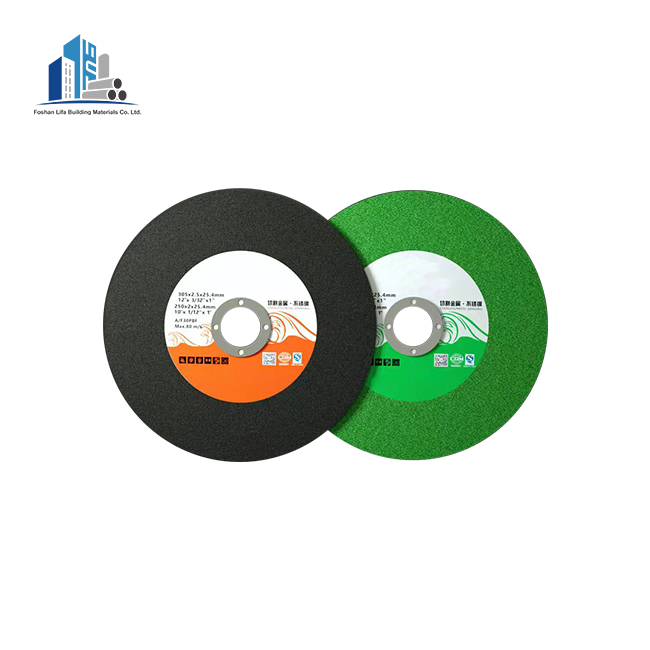
Foshan Lifa Building Materials Co., Ltd. has established itself as a premier manufacturer and supplier of high-performance diamond resin cutting wheels engineered specifically for ceramic processing applications. Our products combine advanced materials technology with rigorous quality control to deliver consistent, reliable performance in demanding production environments. Each wheel undergoes comprehensive testing to verify it meets our exacting standards before reaching customers. Our diamond resin cutting wheel product line encompasses a comprehensive range of specifications designed to address diverse ceramic machining requirements. Available diameters span from 4 inches to 14 inches, with custom sizes manufactured to customer specifications. Thickness options range from 1mm to 3mm, enabling selection of the optimal wheel geometry for specific applications. Grit sizes covering 30 to 3000 mesh ensure we can provide appropriate specifications for everything from aggressive rough grinding to ultra-fine polishing operations. The resin bond formulations employed in our wheels represent the culmination of extensive research and development efforts focused on ceramic machining optimization. These proprietary bond systems deliver the ideal balance of cutting efficiency, wheel life, and surface finish quality. Maximum operating speeds up to 12,000 RPM accommodate high-productivity grinding applications while maintaining safe operational margins. Our wheels perform effectively across the full spectrum of ceramic materials including alumina, zirconia, silicon nitride, aluminum titanate, and composite ceramic systems.
Manufacturing quality represents a fundamental commitment at Foshan Lifa Building Materials Co., Ltd. Our production facility maintains ISO 9001:2015 certification, demonstrating our adherence to internationally recognized quality management standards. Every diamond resin cutting wheel undergoes multiple inspection points throughout the manufacturing process, with final verification ensuring dimensional accuracy, balance quality, and performance characteristics meet specifications. This comprehensive quality assurance program guarantees customers receive products that perform reliably in their applications. Our technical support team brings extensive expertise in ceramic machining applications and stands ready to assist customers with wheel selection, process optimization, and troubleshooting. We recognize that successful ceramic processing depends on multiple factors beyond just cutting wheel selection, including machine parameters, coolant systems, and workpiece fixturing. Our application engineers work collaboratively with customers to develop complete machining solutions that maximize productivity while delivering required quality standards. Whether you are processing advanced technical ceramics for aerospace applications or producing consumer ceramic products, Foshan Lifa Building Materials Co., Ltd. provides the diamond resin cutting wheels and technical support necessary for success.
Conclusion
The diamond resin cutting wheel stands as the superior choice for ceramic machining through its unique combination of diamond hardness, resin flexibility, self-sharpening behavior, and thermal management capabilities. These specialized tools deliver consistent performance, exceptional surface quality, and reliable dimensional control that ceramic manufacturers require for competitive production operations.
Cooperate With Foshan Lifa Building Materials Co., Ltd.
Foshan Lifa Building Materials Co., Ltd. combines extensive manufacturing experience with advanced R&D capabilities to serve global ceramic processing industries. Our GMP-certified facility maintains comprehensive product inventory for immediate shipment, supported by competitive pricing and flexible OEM/ODM services. Our professional team provides expert technical guidance throughout your procurement process, ensuring optimal wheel selection for your specific applications. Contact us today at wz@jiancaiqy.com to discuss your ceramic machining requirements and discover how our diamond resin cutting wheels can improve your production efficiency and quality.
References
1. Diamond Grinding Technology for Advanced Ceramics - Smith, J.R., Journal of Materials Processing Technology, 2023
2. Resin Bond Systems in Superabrasive Tools - Chen, W. and Kumar, P., International Journal of Machine Tools and Manufacture, 2024
3. Surface Integrity in Ceramic Grinding Operations - Anderson, M.L., CIRP Annals - Manufacturing Technology, 2023
4. Advanced Manufacturing Processes for Technical Ceramics - Thompson, R.K., Springer Series in Materials Science, 2024
5. Abrasive Machining of Hard and Brittle Materials - Zhang, Y., Woodhead Publishing Series in Composites Science and Engineering, 2023

Learn about our latest products and discounts through SMS or email