- English
- French
- German
- Portuguese
- Spanish
- Russian
- Japanese
- Korean
- Arabic
- Greek
- German
- Turkish
- Italian
- Danish
- Romanian
- Indonesian
- Czech
- Afrikaans
- Swedish
- Polish
- Basque
- Catalan
- Esperanto
- Hindi
- Lao
- Albanian
- Amharic
- Armenian
- Azerbaijani
- Belarusian
- Bengali
- Bosnian
- Bulgarian
- Cebuano
- Chichewa
- Corsican
- Croatian
- Dutch
- Estonian
- Filipino
- Finnish
- Frisian
- Galician
- Georgian
- Gujarati
- Haitian
- Hausa
- Hawaiian
- Hebrew
- Hmong
- Hungarian
- Icelandic
- Igbo
- Javanese
- Kannada
- Kazakh
- Khmer
- Kurdish
- Kyrgyz
- Latin
- Latvian
- Lithuanian
- Luxembou..
- Macedonian
- Malagasy
- Malay
- Malayalam
- Maltese
- Maori
- Marathi
- Mongolian
- Burmese
- Nepali
- Norwegian
- Pashto
- Persian
- Punjabi
- Serbian
- Sesotho
- Sinhala
- Slovak
- Slovenian
- Somali
- Samoan
- Scots Gaelic
- Shona
- Sindhi
- Sundanese
- Swahili
- Tajik
- Tamil
- Telugu
- Thai
- Ukrainian
- Urdu
- Uzbek
- Vietnamese
- Welsh
- Xhosa
- Yiddish
- Yoruba
- Zulu
Semi-Automatic Propane Cutting Nozzle Buying Guide: What Matters Most
Frustrated with inconsistent cuts, wasted materials, and excessive downtime in your metal fabrication operations? Choosing the wrong Semi-Automatic Propane Cutting Nozzle can lead to poor cutting quality, increased operational costs, and safety hazards that compromise your entire production line. This comprehensive buying guide reveals the critical factors that separate professional-grade Semi-Automatic Propane Cutting Nozzles from mediocre alternatives, helping you make informed decisions that enhance cutting precision, extend equipment life, and maximize your return on investment in industrial metal cutting applications.
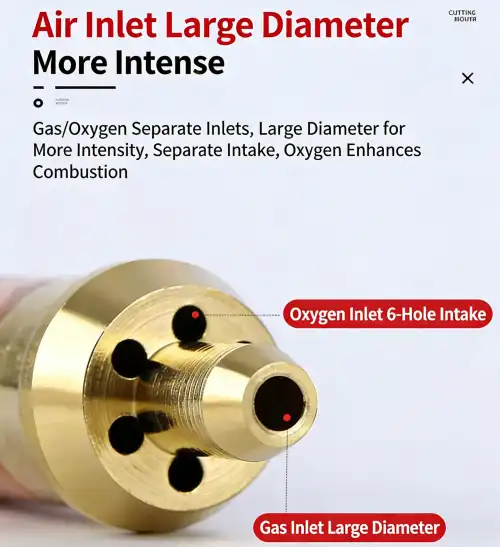
Understanding Semi-Automatic Propane Cutting Nozzle Design and Construction
The fundamental design of a Semi-Automatic Propane Cutting Nozzle directly impacts its performance, durability, and cutting precision. Unlike manual cutting tools, semi-automatic systems require nozzles that maintain consistent gas flow and flame stability throughout extended cutting operations. The construction quality determines whether your nozzle will deliver reliable performance or become a source of frustration and production delays.
Material Selection and Manufacturing Quality
Material choice represents perhaps the most critical decision in Semi-Automatic Propane Cutting Nozzle selection. High-grade copper alloy has emerged as the industry standard for professional applications, and this choice is far from arbitrary. Copper's exceptional thermal conductivity allows the nozzle to dissipate heat rapidly, preventing premature failure and maintaining dimensional stability even under sustained high-temperature operations. The material must withstand working pressures ranging from 0.2 to 0.5 MPa while maintaining precise internal dimensions that control gas flow patterns. Premium manufacturers like Foshan Lifa Building Materials Co., Ltd. utilize forged copper that undergoes precision stamping to create nozzles with fine craftsmanship and superior structural integrity. The forging process aligns the copper's grain structure, resulting in enhanced mechanical properties compared to cast alternatives. High processing precision ensures that critical dimensions like orifice diameter, thread specifications, and internal gas passages remain within tight tolerances, directly affecting cutting performance and operational safety.
Two-Piece Design Advantages for Propane Applications
The two-piece design configuration has become standard for Semi-Automatic Propane Cutting Nozzles due to the unique combustion characteristics of propane compared to acetylene. This design typically features a brass inner nozzle with engineered splines combined with a hollow drawn copper outer sheath. The separation serves multiple essential functions that directly address propane's lower burning velocity. The splined inner component creates controlled turbulence between the inner and outer nozzle sections, promoting thorough mixing of propane and oxygen before combustion. This turbulence generation is critical because inadequate mixing results in unstable flames, irregular cut surfaces, and excessive dross formation. The spline channels also accommodate the substantially larger gas volumes required for propane cutting, which needs more than double the mixed gas volume of acetylene to achieve comparable heat output. The copper outer sheath provides the thermal management necessary to prevent flashback events while protecting the inner brass component from direct flame exposure. This sophisticated engineering ensures flame stability, consistent cutting performance, and enhanced operator safety throughout the nozzle's service life.
Key Performance Specifications for Industrial Applications
Selecting a Semi-Automatic Propane Cutting Nozzle requires careful consideration of technical specifications that align with your specific cutting requirements. Mismatched specifications lead to suboptimal performance, excessive gas consumption, and compromised cut quality that can render finished products unusable.
Cutting Thickness Range and Orifice Sizing
The cutting thickness capacity of your Semi-Automatic Propane Cutting Nozzle must match your typical workpiece dimensions to achieve optimal results. Professional-grade nozzles typically offer cutting capacities ranging from light-duty applications at 1-30mm thickness to heavy industrial cutting up to 300mm for specialized applications. Most industrial metal fabrication operations require nozzles capable of handling materials up to 100mm thick, which represents the sweet spot for general-purpose semi-automatic cutting systems. The orifice diameter directly correlates with cutting thickness capability, with sizes typically ranging from 0.7mm to 3mm or more for heavy-duty applications. Larger orifices deliver greater oxygen volume to the cutting point, enabling penetration of thicker materials while maintaining cutting speed. However, using oversized nozzles on thin materials wastes gas, creates excessive heat input that may warp workpieces, and reduces cut quality through excessive kerf width. Foshan Lifa Building Materials Co., Ltd. manufactures Semi-Automatic Propane Cutting Nozzles with standard G3/8" thread specifications and orifice sizes precisely calibrated for cutting thicknesses up to 100mm, providing versatility for diverse industrial applications including construction sites, shipbuilding yards, and heavy machinery manufacturing facilities.
Working Pressure Requirements and Gas Flow Control
Proper working pressure ranges are non-negotiable for safe and effective Semi-Automatic Propane Cutting Nozzle operation. These nozzles typically require working pressures between 0.2 and 0.5 MPa, with precise pressure control being essential for optimal flame characteristics. Insufficient pressure results in weak, unstable flames that produce poor cut quality, excessive dross, and slow cutting speeds that reduce productivity. Conversely, excessive pressure causes turbulent flames, increased gas consumption, and potential safety hazards including flashback events that can damage equipment and endanger operators. The nozzle design must accommodate the substantial difference in gas flow characteristics between propane and acetylene, with propane requiring significantly higher flow volumes to achieve comparable heat output. Quality Semi-Automatic Propane Cutting Nozzles incorporate design features that maintain laminar gas flow at appropriate velocities, preventing premature mixing that causes flashback while ensuring complete combustion at the cutting point. Operators must verify that their gas supply systems can deliver stable pressure within the nozzle's specified range and that regulators are properly calibrated and maintained. The reasonable proportioning of gas channels within high-quality nozzles ensures strong cutting performance across the entire pressure range, accommodating variations in supply conditions without compromising cut quality or safety margins.
Evaluating Build Quality and Long-Term Durability
The longevity and reliability of your Semi-Automatic Propane Cutting Nozzle directly impacts your total cost of ownership and operational continuity. Inferior nozzles may offer attractive initial pricing but quickly deteriorate, requiring frequent replacement that ultimately costs more than investing in quality equipment from the outset.
Structural Integrity and Heat Resistance
The structural design of a Semi-Automatic Propane Cutting Nozzle must withstand extreme thermal cycling, mechanical stresses, and chemical exposure throughout its service life. The nozzle's cutting structure requires engineering that balances heat resistance with thermal conductivity, maintaining dimensional stability while preventing heat accumulation that accelerates wear. Premium copper alloy construction provides the necessary heat resistance to endure sustained exposure to cutting flames exceeding 3000 degrees Celsius at the workpiece surface. The forging process used by reputable manufacturers creates a dense, uniform material structure free from the porosity and internal defects common in cast nozzles. These internal flaws serve as stress concentration points that propagate cracks under thermal cycling, leading to premature failure. The reasonable cutting nozzle structure engineered into quality units ensures safe use by preventing common failure modes including orifice degradation, thread stripping, and sealing surface damage. The 150-gram weight typical of industrial Semi-Automatic Propane Cutting Nozzles reflects substantial material thickness that resists thermal distortion and mechanical damage. Lightweight alternatives may seem attractive for reducing operator fatigue, but they typically sacrifice the material volume necessary for adequate heat dissipation and structural strength, resulting in shortened service life and increased failure risk during critical operations.
Manufacturing Precision and Consistency
Manufacturing precision determines whether a Semi-Automatic Propane Cutting Nozzle delivers consistent performance or introduces variables that compromise cut quality and operator safety. High processing precision in critical dimensions ensures that each nozzle performs identically to specifications, eliminating the performance variations that complicate process control and quality assurance. Thread accuracy is particularly critical, as even minor deviations from standard G3/8" specifications can create loose connections that leak gas, produce unstable flames, and create serious safety hazards. The orifice must be perfectly concentric and sized within micrometers of specification to deliver the precise oxygen stream necessary for clean cutting. Internal gas passages require smooth surfaces and precise dimensioning to maintain laminar flow without turbulence that degrades flame quality. Foshan Lifa Building Materials Co., Ltd. implements strict full-process control from raw materials to finished products, guaranteeing excellent product consistency and strong large-scale supply capabilities. This comprehensive quality management approach ensures that every Semi-Automatic Propane Cutting Nozzle leaving the facility meets international standards including ISO9001, ASTM, and DIN certifications. The company's state-of-the-art factory in Foshan employs advanced CNC machinery and precision measurement equipment to verify dimensional accuracy, while experienced technicians conduct rigorous inspection protocols that identify any deviation from specifications before products reach customers.
Safety Features and Operational Considerations
Safety represents the paramount concern in any industrial cutting operation, and your Semi-Automatic Propane Cutting Nozzle selection must prioritize features that protect operators and facilities while maintaining productivity.
Flashback Prevention and Gas Flow Management
Flashback events represent the most serious safety hazard associated with gas cutting operations, occurring when flames propagate backward through the nozzle into the gas supply system. The consequences range from equipment damage to catastrophic explosions that can cause serious injuries and facility damage. Quality Semi-Automatic Propane Cutting Nozzle design incorporates multiple features that prevent flashback conditions. The gas flow velocity through properly sized orifices must exceed the flame propagation speed, creating a physical barrier that keeps combustion at the intended cutting point. The two-piece design with splined inner nozzle creates the turbulence necessary for complete gas mixing while maintaining sufficient flow velocity to prevent flame crawl-back. Copper's exceptional thermal conductivity plays a crucial role by rapidly dissipating heat away from the mixing chamber, preventing the temperature buildup that can trigger premature ignition. Operators must understand that flashback risk increases when nozzles become overheated due to prolonged cutting operations, blocked orifices that reduce flow velocity, or incorrect pressure settings that create inappropriate gas velocities. Proper installation procedures require using two wrenches to ensure the nozzle is fully tightened without damaging threads, as loose connections create leak paths that can lead to fires or flashback conditions. Quality manufacturers provide clear operating guidelines specifying appropriate preheating sequences, recommending that operators open the oxygen valve slightly before introducing propane, and emphasizing the importance of keeping ignition sources at safe distances during startup procedures.
Operator Ergonomics and Ease of Use
The semi-automatic design of modern propane cutting systems reduces operator fatigue compared to fully manual operations, but nozzle design still significantly impacts user experience and productivity. The Semi-Automatic Propane Cutting Nozzle must install and remove easily for routine maintenance and nozzle changes while providing secure mounting that prevents loosening during operation. Standard thread specifications like the G3/8" pattern used by Foshan Lifa products ensure compatibility across equipment from various manufacturers, reducing inventory complexity and simplifying replacement procedures. The nozzle's weight and balance affect operator control during manual positioning and adjustment operations that supplement the semi-automatic cutting path. The 150-gram weight represents an optimal compromise between the substantial construction necessary for durability and the manageable mass that permits precise manual control when needed. Operational procedures should emphasize the importance of proper nozzle selection for each application, as using inappropriate nozzle sizes increases operator workload through slower cutting speeds or difficult material penetration. Training programs should cover proper lighting sequences, pressure adjustment procedures, and shutdown protocols that operators can execute consistently without memorization challenges. The reasonable proportioning and strong cutting performance built into quality Semi-Automatic Propane Cutting Nozzles means that operators achieve better results with less effort, reducing fatigue-related errors while improving both productivity and safety throughout their shifts.
Making the Right Purchase Decision
Armed with comprehensive knowledge of Semi-Automatic Propane Cutting Nozzle specifications, construction quality, and operational requirements, you can now make informed purchasing decisions that align with your specific application needs and budget constraints.
Supplier Evaluation and Support Considerations
The supplier you choose matters as much as the nozzle specifications when establishing reliable cutting operations. Leading manufacturers like Foshan Lifa Building Materials Co., Ltd. differentiate themselves through comprehensive support that extends far beyond product delivery. A mature R&D team ensures continuous product improvement based on real-world application feedback and emerging industry requirements. GMP-certified factory operations provide confidence that manufacturing processes meet stringent quality standards consistently. Large inventory positions enable fast delivery that minimizes downtime when replacement nozzles are needed urgently. Complete international certifications including ISO9001:2015 Quality Management System, CE Marking for European compliance, and RoHS environmental safety certification demonstrate commitment to quality and regulatory compliance. Cost advantages derived from efficient manufacturing and economies of scale translate into competitive pricing without compromising quality standards. Professional communication and exceptional customer service ensure that technical questions receive prompt, accurate responses from knowledgeable staff. The company's experienced team, skilled in R&D, quality control, and global logistics, provides expert guidance throughout the selection process and ongoing operational support. Flexible OEM and ODM services allow custom solutions tailored to unique application requirements that standard products cannot address. This comprehensive support infrastructure transforms the supplier relationship from a simple transaction into a strategic partnership that enhances your operational capabilities. When evaluating potential suppliers, request documentation of certifications, ask for customer references in similar applications, and assess their responsiveness during the initial inquiry process as indicators of the long-term support quality you can expect.
Total Cost of Ownership Analysis
Purchase price represents only one component of the total cost of ownership for Semi-Automatic Propane Cutting Nozzles, and the lowest initial cost often results in the highest long-term expenses. A comprehensive cost analysis must consider nozzle longevity, cutting performance, gas consumption efficiency, and downtime costs associated with premature failures. Premium nozzles constructed from high-grade copper alloy by manufacturers like Foshan Lifa typically cost more initially but deliver substantially longer service life through superior heat resistance and structural integrity. The extended replacement intervals reduce not only the direct cost of purchasing new nozzles but also the labor costs and production disruptions associated with changeover procedures. Superior cutting performance translates into faster cutting speeds, cleaner cuts requiring less secondary finishing, and reduced material waste from scrapped parts due to poor cut quality. Efficient gas flow design minimizes propane and oxygen consumption per linear meter of cutting, generating ongoing operational savings that accumulate substantially over the equipment's lifetime. Reduced downtime from equipment failures and inconsistent performance represents perhaps the most significant but least visible cost advantage of quality nozzles. Production interruptions during critical project timelines can result in penalty costs, lost customer confidence, and missed opportunities that dwarf the initial purchase price savings of inferior alternatives. Calculate your expected monthly cutting volume, estimate the cost impact of various failure scenarios, and project the cumulative savings from improved performance and reliability when comparing options. This analysis consistently demonstrates that investing in quality Semi-Automatic Propane Cutting Nozzles from reputable manufacturers delivers superior value despite higher initial costs.
Conclusion
Selecting the right Semi-Automatic Propane Cutting Nozzle requires balancing material quality, design specifications, safety features, and supplier support to optimize cutting performance, operational safety, and total cost of ownership for your specific industrial applications.
Cooperate with Foshan Lifa Building Materials Co., Ltd.
Ready to enhance your metal cutting operations with High Quality Semi-Automatic Propane Cutting Nozzle solutions? As a leading China Semi-Automatic Propane Cutting Nozzle manufacturer, China Semi-Automatic Propane Cutting Nozzle supplier, and China Semi-Automatic Propane Cutting Nozzle factory, Foshan Lifa Building Materials Co., Ltd. offers competitive Semi-Automatic Propane Cutting Nozzle wholesale pricing and premium Semi-Automatic Propane Cutting Nozzle for sale with unmatched Semi-Automatic Propane Cutting Nozzle price value. Our extensive inventory ensures immediate shipment, rigorous quality control guarantees reliable performance, and our experienced design team provides custom OEM solutions tailored to your requirements. Contact our professional team at wz@jiancaiqy.com today to discuss your cutting nozzle needs and experience the exceptional service that has made us the trusted partner for building material distributors, engineering contractors, and industry leaders including China State Construction Engineering Group and China Railway Construction Group across 30+ countries. Save this guide for future reference when evaluating cutting equipment, and let our expert staff help you optimize your metal fabrication operations with cutting-edge technology, comprehensive certifications, and the competitive advantages that only a world-class manufacturer can deliver.
References
1. American Welding Society. Welding Handbook: Welding Processes, Part 2. 9th Edition. AWS Committee on Welding Handbook.
2. O'Brien, Robert L. Jefferson's Welding Encyclopedia. 18th Edition. American Welding Society Publications.
3. International Organization for Standardization. ISO 9013: Thermal Cutting - Classification of Thermal Cuts - Geometrical Product Specification and Quality Tolerances. ISO Technical Committee.
4. Cary, Howard B. and Helzer, Scott C. Modern Welding Technology. 6th Edition. Pearson Education Publications.
5. The Welding Institute. Thermal Cutting Processes: A Technical Guide to Gas Cutting and Related Processes. TWI Knowledge Summary Series.
Learn about our latest products and discounts through SMS or email