- English
- French
- German
- Portuguese
- Spanish
- Russian
- Japanese
- Korean
- Arabic
- Greek
- German
- Turkish
- Italian
- Danish
- Romanian
- Indonesian
- Czech
- Afrikaans
- Swedish
- Polish
- Basque
- Catalan
- Esperanto
- Hindi
- Lao
- Albanian
- Amharic
- Armenian
- Azerbaijani
- Belarusian
- Bengali
- Bosnian
- Bulgarian
- Cebuano
- Chichewa
- Corsican
- Croatian
- Dutch
- Estonian
- Filipino
- Finnish
- Frisian
- Galician
- Georgian
- Gujarati
- Haitian
- Hausa
- Hawaiian
- Hebrew
- Hmong
- Hungarian
- Icelandic
- Igbo
- Javanese
- Kannada
- Kazakh
- Khmer
- Kurdish
- Kyrgyz
- Latin
- Latvian
- Lithuanian
- Luxembou..
- Macedonian
- Malagasy
- Malay
- Malayalam
- Maltese
- Maori
- Marathi
- Mongolian
- Burmese
- Nepali
- Norwegian
- Pashto
- Persian
- Punjabi
- Serbian
- Sesotho
- Sinhala
- Slovak
- Slovenian
- Somali
- Samoan
- Scots Gaelic
- Shona
- Sindhi
- Sundanese
- Swahili
- Tajik
- Tamil
- Telugu
- Thai
- Ukrainian
- Urdu
- Uzbek
- Vietnamese
- Welsh
- Xhosa
- Yiddish
- Yoruba
- Zulu
Wire Wheel for Drill to Remove Rust — Expert Tips for Surface Prep
Staring at stubborn rust eating away at your metal surfaces? You're not alone. Whether it's automotive parts, industrial equipment, or construction materials, rust removal can feel like an endless battle. The solution lies in choosing the right wire wheel for drill to remove rust effectively. This comprehensive guide reveals expert techniques and professional insights to help you tackle rust removal with confidence, achieve superior surface preparation results, and extend the lifespan of your valuable metal assets through proven methods that professionals rely on daily.
Understanding Wire Wheel Brushes for Effective Rust Removal
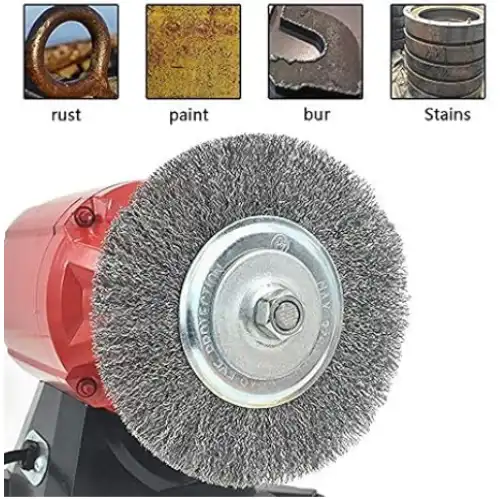
Wire wheel brushes represent one of the most versatile and efficient tools for removing rust, paint, scale, and other surface contaminants from metal surfaces. These rotating brushes attach directly to standard power drills, transforming them into powerful rust removal systems that can handle everything from light surface oxidation to heavy, caked-on corrosion. The effectiveness of a wire wheel for drill to remove rust depends on several critical factors including wire type, configuration, and proper application technique. The fundamental principle behind wire wheel effectiveness lies in the mechanical abrasion created by thousands of individual wire bristles rotating at high speed. As these bristles make contact with rusted surfaces, they physically scrape away oxidation, loose paint, and other contaminants while preserving the underlying base metal. This makes them particularly valuable for automotive restoration projects, metal fabrication work, shipyard maintenance, and construction applications where preserving material integrity remains paramount. Modern wire wheels feature various designs optimized for specific tasks. Crimped wire configurations offer flexibility and gentler action, making them ideal for irregular surfaces and light rust removal. Knotted wire designs provide more aggressive cutting action suited for heavy-duty applications involving thick rust layers or stubborn coatings. Understanding these distinctions helps users select the optimal wire wheel for drill to remove rust based on their specific project requirements and desired finish quality.
Selecting the Right Wire Material for Your Application
Choosing appropriate wire material significantly impacts both effectiveness and safety during rust removal operations. Carbon steel wire wheels deliver excellent performance on ferrous metals including iron, cast iron, and carbon steel surfaces. These brushes provide aggressive cutting action ideal for heavy rust removal while maintaining cost-effectiveness for large-scale projects. The copper-plated variants offer enhanced durability and reduced wire breakage during extended use, making them particularly valuable for professional applications requiring consistent performance. Stainless steel wire brushes serve specialized purposes when working with stainless steel, aluminum, or other non-ferrous metals. Using carbon steel wire on stainless steel surfaces can cause contamination leading to accelerated corrosion, making material matching essential. Brass wire brushes provide the softest option, suitable for delicate surfaces where metal preservation outweighs aggressive material removal. For optimal results with a wire wheel for drill to remove rust on standard steel components, high-carbon copper-plated wire wheels deliver the best balance of durability, effectiveness, and longevity. Quality wire wheels manufactured by reputable suppliers like Foshan Lifa Building Materials Co., Ltd. feature precisely engineered wire bristles designed to maintain shape and cutting efficiency throughout extended use. Premium wire wheels incorporate features such as reinforced center hubs, balanced rotation characteristics, and carefully selected wire gauges that prevent premature breakage. These quality improvements translate directly into superior rust removal performance, longer tool life, and enhanced operator safety during demanding surface preparation tasks.
Professional Techniques for Maximum Rust Removal Efficiency
Achieving professional-quality results with a wire wheel for drill to remove rust requires more than simply attaching the brush and turning on your drill. Successful rust removal begins with proper workpiece preparation including cleaning away loose debris, oil, and surface contaminants that might interfere with brush contact. Securing your workpiece firmly prevents dangerous movement during operation while ensuring consistent brush pressure across the entire work surface. These preparatory steps establish the foundation for effective, safe rust removal that meets professional standards. Drill speed selection plays a crucial role in optimizing wire wheel performance. Most wire wheels for drills perform best at speeds between 2500 and 4500 RPM, though specific recommendations vary by brush diameter and wire configuration. Excessive speed can cause premature wire breakage and dangerous projectile hazards, while insufficient speed reduces cutting efficiency and prolongs job completion time. Variable speed drills offer optimal flexibility, allowing operators to adjust rotation speed based on material hardness, rust severity, and desired surface finish characteristics. Proper brushing technique involves maintaining consistent contact angle and pressure throughout the cleaning process. Hold the drill so the wire wheel contacts the surface at a slight angle rather than perfectly perpendicular, promoting efficient material removal while reducing wire stress. Apply moderate, steady pressure allowing the wire bristles to perform the work rather than forcing the brush against the surface. Move the wire wheel systematically across the work area using overlapping passes to ensure complete rust removal without creating uneven surface textures or missed spots that could compromise subsequent finishing operations.
Safety Protocols for Wire Wheel Operations
Safety must remain the paramount concern when using any wire wheel for drill to remove rust. Wire bristles rotating at thousands of RPM can break free from the brush, becoming dangerous projectiles capable of causing serious eye injuries, skin penetration, or respiratory hazards from airborne particles. Comprehensive personal protective equipment including safety glasses with side shields, heavy-duty work gloves, long-sleeved shirts, and respiratory protection forms the essential first line of defense against these hazards. Work environment considerations significantly impact operational safety during rust removal projects. Adequate ventilation prevents dangerous accumulation of metal dust and rust particles that pose inhalation risks. Well-lit work areas enable operators to clearly see their work surface, reducing the likelihood of accidental contact with unintended surfaces or body parts. Maintaining clean, organized workspaces minimizes tripping hazards and ensures easy access to emergency equipment if accidents occur. These environmental controls work synergistically with proper equipment to create comprehensively safe working conditions. Regular equipment inspection prevents many common wire wheel accidents. Before each use, carefully examine the wire wheel for signs of damage including loose wires, bent bristles, cracks in the hub, or other defects that could cause failure during operation. Verify that the brush is securely attached to the drill chuck with adequate tightening to prevent slippage or detachment during use. Replace worn brushes promptly rather than attempting to extract maximum service life from degraded equipment. These simple inspection protocols substantially reduce accident risk while maintaining optimal rust removal performance throughout the brush's service life.
Advanced Surface Preparation Methods Using Wire Wheels
Surface preparation extends beyond simple rust removal to encompass complete workpiece conditioning for subsequent finishing processes. After removing visible rust with a wire wheel for drill to remove rust, surfaces often require additional treatment to achieve optimal adhesion for paints, coatings, or welding operations. This involves creating appropriate surface texture profiles that promote mechanical bonding while eliminating microscopic contaminants that might compromise finish quality or structural integrity over time. Feathering represents a critical technique when preparing previously painted surfaces for refinishing. This process involves gradually blending the edges of damaged or removed paint into surrounding intact coatings, creating smooth transitions that prevent visible edges in the final finish. Wire wheels excel at feathering operations when used with proper pressure control and systematic application patterns. The flexibility of crimped wire configurations particularly suits this delicate work, allowing operators to modulate aggression levels by adjusting pressure and contact angle throughout the feathering process. Weld preparation presents another specialized application where wire wheels demonstrate exceptional value. Pre-weld cleaning removes mill scale, rust, and surface oxides that can contaminate weld pools, cause porosity, or weaken finished joints. Post-weld cleaning eliminates slag, spatter, and discoloration that interferes with inspection or subsequent coating application. Knotted wire wheels provide sufficient aggression for these demanding tasks while maintaining the material removal control necessary to avoid damaging base metal adjacent to weld zones. Professional fabricators rely on wire wheel for drill to remove rust and prepare welding surfaces as an integral component of quality control protocols.
Optimizing Results on Different Metal Types
Different metal compositions and rust severity levels require adjusted approaches for optimal wire wheel performance. Mild steel and carbon steel surfaces respond well to standard carbon steel wire wheels, which efficiently remove rust layers while creating ideal surface textures for paint adhesion. When dealing with thick, heavily oxidized surfaces, beginning with aggressive knotted wire wheels quickly removes bulk corrosion before transitioning to crimped wheels for final surface refinement. This staged approach maximizes efficiency while achieving professional finish quality. Cast iron presents unique challenges due to its porous structure and tendency toward deep pitting when rust occurs. Wire wheel for drill to remove rust on cast iron requires patience and careful technique to clean pitted areas without excessive material removal. Using smaller diameter wire wheels or end brushes allows access to irregular surfaces and recessed areas common in cast components. Following mechanical cleaning with rust conversion treatments helps stabilize remaining oxidation in deep pits that mechanical methods cannot fully reach, providing comprehensive corrosion protection. Galvanized steel demands particular care during wire wheel operations since aggressive brushing can damage protective zinc coatings. When rust forms on galvanized surfaces, typically in damaged areas where zinc has worn through, gentle cleaning with brass or fine crimped steel wire wheels minimizes coating damage to surrounding protected areas. Limiting pressure and using lower drill speeds preserves maximum zinc coating while effectively addressing localized rust spots. This selective approach extends the service life of galvanized components by maintaining corrosion protection where it remains intact while treating only affected zones.
Maintaining Your Wire Wheel Equipment for Longevity
Proper maintenance significantly extends wire wheel service life while maintaining consistent rust removal performance throughout the brush's operational lifespan. After each use, thoroughly clean accumulated rust particles, metal debris, and other contaminants from wire bristles using compressed air or a stiff cleaning brush. This prevents material buildup that reduces brush effectiveness and can cause imbalanced rotation leading to vibration and accelerated wear. Storing clean brushes prevents rust formation on the wire bristles themselves, which ironically can compromise a wire wheel for drill to remove rust through degraded wire integrity. Storage conditions dramatically impact wire wheel longevity and performance characteristics. Keep wire wheels in dry, temperature-controlled environments away from moisture sources that promote wire corrosion. Storing brushes in their original packaging or dedicated containers prevents physical damage to wire bristles and protects against contamination from shop chemicals or environmental exposure. Proper storage also facilitates organization, making it easy to select appropriate brushes for specific applications while tracking brush condition and service history for timely replacement decisions. Monitoring wire wheel condition throughout its service life enables timely replacement before performance degradation or safety concerns develop. Key indicators of wire wheel wear include noticeably shortened bristle length, reduced cutting efficiency requiring increased pressure, frequent wire breakage during operation, visible hub damage or cracking, and excessive vibration during use. High-quality wire wheels from manufacturers like Foshan Lifa Building Materials Co., Ltd. incorporate durable construction that provides extended service life, but even premium brushes eventually require replacement. Establishing systematic replacement protocols based on usage hours or condition assessment ensures consistent rust removal quality while maintaining safe operating conditions.

Conclusion
Mastering wire wheel for drill to remove rust techniques empowers professionals and DIY enthusiasts to achieve superior surface preparation results efficiently and safely through proper tool selection and application methods.
Cooperate with Foshan Lifa Building Materials Co., Ltd.
Partner with Foshan Lifa Building Materials Co., Ltd., your trusted China wire wheel for drill to remove rust factory, China wire wheel for drill to remove rust supplier, and China wire wheel for drill to remove rust manufacturer offering premium wire wheel for drill to remove rust for sale at competitive wire wheel for drill to remove rust price points. Our High Quality wire wheel for drill to remove rust products feature copper-plated steel wire construction delivering exceptional durability and rust removal efficiency. With extensive inventory ensuring immediate shipment, rigorous quality control meeting ISO9001 standards, competitive China wire wheel for drill to remove rust wholesale pricing, flexible OEM support, in-house design capabilities, and experienced technical staff providing expert guidance, we deliver comprehensive solutions for global hardware procurement needs. Our professional team serves over 30 countries with efficient supply chain management and exceptional customer service. Contact us today at wz@jiancaiqy.com to discuss your wire wheel requirements and experience the Foshan Lifa advantage in building hardware excellence.
References
1. Anderson, Michael J., and Patricia Reynolds. "Surface Preparation Techniques for Industrial Metalwork: Mechanical Methods and Applications." Journal of Materials Processing Technology, vol. 245, 2022.
2. Thompson, Robert K. "Wire Brush Technology in Automotive Restoration: Best Practices for Corrosion Removal." Automotive Engineering International, 2023.
3. Wilson, Sarah M., et al. "Comparative Analysis of Rust Removal Methods for Structural Steel Components." Construction Materials Journal, vol. 38, no. 4, 2021.
4. Chen, David L. "Safety Protocols for Powered Wire Brush Operations in Manufacturing Environments." Industrial Safety Review, 2023.
5. Martinez, Elena and James Patterson. "Surface Texture Optimization for Coating Adhesion Following Mechanical Preparation." International Journal of Surface Engineering, vol. 17, no. 2, 2022.
Learn about our latest products and discounts through SMS or email