- English
- French
- German
- Portuguese
- Spanish
- Russian
- Japanese
- Korean
- Arabic
- Greek
- German
- Turkish
- Italian
- Danish
- Romanian
- Indonesian
- Czech
- Afrikaans
- Swedish
- Polish
- Basque
- Catalan
- Esperanto
- Hindi
- Lao
- Albanian
- Amharic
- Armenian
- Azerbaijani
- Belarusian
- Bengali
- Bosnian
- Bulgarian
- Cebuano
- Chichewa
- Corsican
- Croatian
- Dutch
- Estonian
- Filipino
- Finnish
- Frisian
- Galician
- Georgian
- Gujarati
- Haitian
- Hausa
- Hawaiian
- Hebrew
- Hmong
- Hungarian
- Icelandic
- Igbo
- Javanese
- Kannada
- Kazakh
- Khmer
- Kurdish
- Kyrgyz
- Latin
- Latvian
- Lithuanian
- Luxembou..
- Macedonian
- Malagasy
- Malay
- Malayalam
- Maltese
- Maori
- Marathi
- Mongolian
- Burmese
- Nepali
- Norwegian
- Pashto
- Persian
- Punjabi
- Serbian
- Sesotho
- Sinhala
- Slovak
- Slovenian
- Somali
- Samoan
- Scots Gaelic
- Shona
- Sindhi
- Sundanese
- Swahili
- Tajik
- Tamil
- Telugu
- Thai
- Ukrainian
- Urdu
- Uzbek
- Vietnamese
- Welsh
- Xhosa
- Yiddish
- Yoruba
- Zulu
Best Electric Grouting Machine for Construction Projects in 2026
When construction deadlines loom and leakage problems threaten project integrity, choosing the wrong grouting equipment can cost thousands in rework and delays. The best electric grouting machine for construction projects in 2026 combines high-pressure capabilities, material versatility, and portability to deliver consistent, professional results across foundation reinforcement, waterproofing, and structural repair applications. Modern electric grouting machines eliminate manual application inconsistencies while dramatically reducing labor costs and project timelines, making them essential equipment for contractors, engineers, and infrastructure developers who demand reliability and efficiency in challenging construction environments.
Why Electric Grouting Machines Are Essential for Modern Construction?
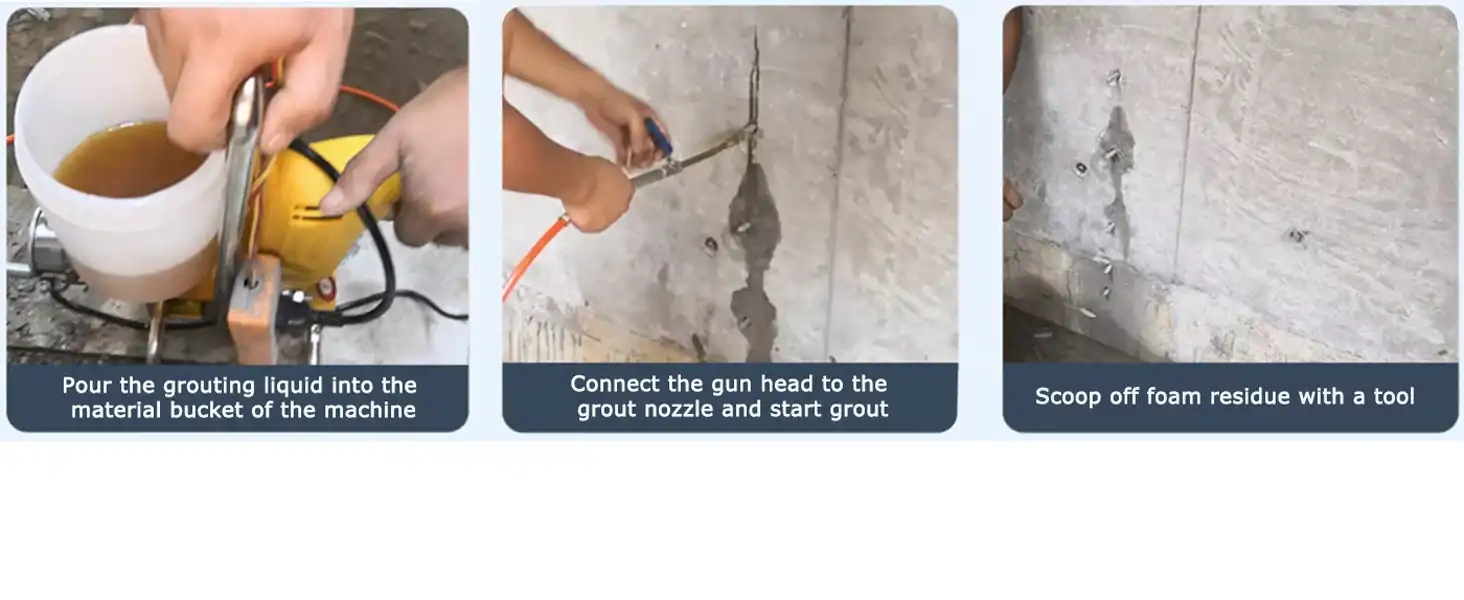
The construction industry has experienced a fundamental shift in how professionals approach grouting applications, and electric grouting machines have become indispensable tools for achieving superior results in demanding project conditions. Unlike traditional manual grouting methods that rely heavily on operator skill and physical stamina, electric grouting machines deliver automated precision that ensures consistent material application throughout entire projects. This technological advancement addresses critical pain points that have plagued construction professionals for decades, including unpredictable material flow, inconsistent pressure application, and operator fatigue during extended work periods. Modern construction projects demand equipment that can handle diverse grouting materials while maintaining precise control over pressure and flow rates. High-quality electric grouting machines excel in these requirements by incorporating advanced pump systems, typically featuring wear-resistant alloy cores with stainless steel construction that withstand the corrosive properties of cement slurries, polyurethane compounds, epoxy resins, and acrylic esters. These machines operate across pressure ranges from 5 to 18 MPa, enabling operators to address everything from delicate crack injection in heritage buildings to high-pressure foundation consolidation in major infrastructure projects. The versatility of electric grouting machines extends to their material compatibility, processing low-viscosity liquids including water-soluble and oil-soluble polyurethane caulking agents that effectively seal expansion joints, construction cracks, and underground concrete structures prone to water infiltration.
The operational advantages of electric grouting machines become particularly evident in complex construction scenarios where traditional methods prove inadequate. Consider tunnel construction projects where workers must inject waterproofing materials into concrete segments under challenging conditions with limited access and stringent safety requirements. Electric grouting machines provide the compact portability and precise injection capabilities necessary for these environments, delivering consistent material placement without requiring extensive preparation work like groove cutting or pipe burial that would compromise structural integrity. The lightweight design of modern electric grouting machines, combined with ergonomic handling features, enables single operators to complete tasks that would traditionally require multiple workers, directly translating to reduced labor costs and accelerated project schedules.
Advanced Features That Define Premium Electric Grouting Machines
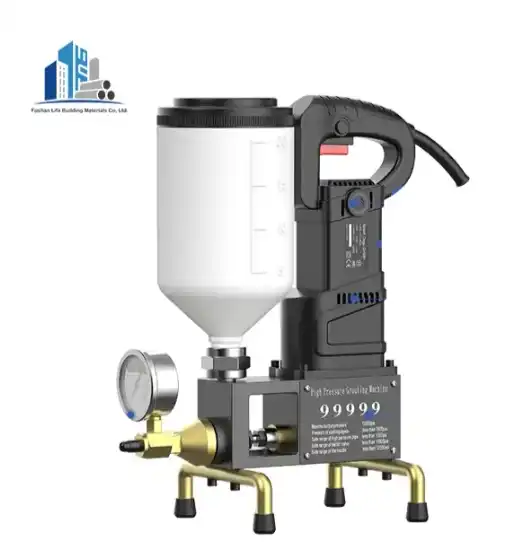
Premium electric grouting machines distinguish themselves through engineering excellence that addresses real-world construction challenges with innovative solutions. The most critical component is the pump system, where manufacturers like Foshan Lifa Building Materials Co., Ltd. have developed wear-resistant alloy pump cores that maintain precision sealing even under maximum operating pressures reaching 18,000 PSI. This exceptional pressure capacity enables deep penetration grouting for foundation stabilization projects where materials must travel through dense soil layers or fill voids in rock formations. The stainless steel construction provides superior corrosion resistance when processing chemical grouts, extending equipment lifespan significantly beyond conventional materials that deteriorate rapidly when exposed to aggressive compounds. Material handling represents another area where advanced electric grouting machines demonstrate clear superiority over traditional equipment. The ABS plastic barrels featured in quality machines offer excellent chemical resistance while remaining lightweight for improved portability, and their transparent construction allows operators to monitor material levels during application, preventing pump damage from dry running. The high-precision sealing systems in premium electric grouting machines ensure that viscous materials flow smoothly through delivery hoses without leakage, maintaining consistent injection pressure that proves crucial for achieving uniform grout distribution throughout treatment zones. These machines accommodate flow rates typically ranging from 0.74 to 60 liters per minute, with variable speed controls enabling operators to match output to specific application requirements, whether filling narrow foundation cracks or conducting large-volume dam grouting operations.
Safety features integrated into modern electric grouting machines reflect manufacturers' commitment to protecting operators while maintaining productivity on active construction sites. Pressure relief valves activate automatically when internal pressures exceed safe thresholds, typically configured to trigger below 10,000 PSI to prevent hose failures that could cause material discharge injuries. The electrical systems incorporate ground fault protection and insulated components designed for reliable operation in the damp conditions common to waterproofing applications, with dual voltage capabilities of 110V/220V ensuring compatibility across international construction markets. Professional-grade electric grouting machines include restart pressure limiters that prevent sudden machine activation after power interruptions, eliminating hazardous situations where equipment might unexpectedly discharge pressurized materials when electrical service restores.
Electric Grouting Machine Applications Across Construction Sectors
The versatility of electric grouting machines extends across virtually every construction sector, from residential renovations to massive infrastructure development projects that shape modern cities. In foundation engineering, these machines excel at soil stabilization work where precise injection of cement-based or chemical grouts strengthens weak substrata beneath building footprints, highway embankments, and airport runways. The controlled pressure delivery capabilities of electric grouting machines enable engineers to create uniform grouted zones within specific soil depths, preventing differential settlement that causes structural damage and ensuring long-term foundation stability. This application has become particularly valuable in urban redevelopment projects where new construction must occur adjacent to existing structures, and ground treatment requires careful control to avoid destabilizing neighboring buildings. Waterproofing applications represent perhaps the most common use case for electric grouting machines, addressing the persistent challenge of water infiltration in below-grade structures. Underground parking facilities, basement walls, elevator pits, and utility tunnels all benefit from polyurethane injection techniques that create effective water barriers without requiring extensive excavation or interior demolition. The electric grouting machine delivers water-reactive or moisture-activated polyurethane formulations directly into concrete cracks and construction joints, where the materials expand to fill voids completely while remaining flexible enough to accommodate minor structural movements. This injection approach proves far superior to traditional surface coatings that frequently fail at crack interfaces, and the minimal equipment footprint allows waterproofing contractors to complete work in occupied buildings with limited disruption to ongoing operations.
Infrastructure maintenance and repair constitute another critical application domain where electric grouting machines demonstrate exceptional value. Highway departments utilize these machines for pavement undershilling applications that address voids developing beneath concrete slabs, which if left untreated lead to catastrophic pavement failures requiring expensive replacement work. The precise flow control and pressure regulation of quality electric grouting machines enable technicians to inject just enough grout material to fill subsurface voids without causing slab lifting or adjacent pavement distortion. Similarly, bridge maintenance teams deploy electric grouting machines for post-tensioning duct grouting that protects steel tendons from corrosion, cable anchorage reinforcement that extends structure service life, and expansion joint repair work that prevents deterioration at these vulnerable connection points.
Specialized Construction Scenarios Requiring Electric Grouting Machines
Tunnel construction presents unique grouting challenges that highlight the technical capabilities of advanced electric grouting machines. During tunnel boring operations, workers must continuously inject grout materials into the annular space between tunnel lining segments and surrounding rock or soil, creating stable interfaces that prevent groundwater infiltration and provide structural support. The electric grouting machine must maintain consistent pressure and flow despite varying material viscosities as cement grouts hydrate during the injection process, requiring sophisticated pump systems that adjust automatically to changing material characteristics. The compact design of portable electric grouting machines proves essential in confined tunnel environments where equipment must fit within limited clearance envelopes while providing sufficient power for deep injection into fractured rock zones surrounding the excavation. Dam construction and rehabilitation projects demand electric grouting machines capable of handling both high volumes and extreme pressures necessary for foundation curtain grouting and structural crack repair. Foundation curtain grouting involves injecting grout materials into bedrock beneath dam structures, creating impermeable barriers that prevent water seepage through geological discontinuities that could compromise dam stability or cause uncontrolled water loss from reservoir pools. This application typically requires grout pressures exceeding 10 MPa to achieve adequate penetration into tight rock fractures, placing severe demands on pump components that must withstand these forces without failure across extended operation periods. The electric grouting machine systems deployed for dam work often feature specialized agitation equipment that maintains cement grout suspension during prolonged injection sequences, preventing material separation that could clog delivery lines or compromise treatment effectiveness.
Historical building preservation introduces additional considerations where electric grouting machines must deliver precise material placement without causing damage to fragile masonry structures. Conservation professionals utilize modified electric grouting machines for consolidation grouting in deteriorated stone walls, where low-pressure injection of hydraulic lime grouts strengthens weakened masonry without generating stresses that might cause additional cracking. The pressure control capabilities of quality electric grouting machines enable operators to inject consolidation materials at pressures below 1 MPa, ensuring grout permeates voids within deteriorated masonry cores without displacing structural elements or staining exterior surfaces. This delicate work requires operators to carefully monitor injection pressures and flow rates, making real-time adjustments based on visual observations of grout acceptance and structural response, capabilities that distinguish professional-grade electric grouting machines from basic equipment lacking sophisticated control systems.
Selecting the Right Electric Grouting Machine for Your Projects
Choosing an appropriate electric grouting machine requires careful evaluation of project requirements, material specifications, and operational constraints that influence equipment performance in specific construction applications. The first consideration involves matching machine pressure capabilities to the density and penetration requirements of target grouting scenarios. Foundation stabilization work typically requires machines rated for pressures between 5 and 10 MPa to achieve adequate grout penetration into compacted soils or fractured rock, while structural crack repair might operate effectively at lower pressures around 2 to 5 MPa depending on crack widths and depths. Selecting equipment with excessive pressure capacity introduces unnecessary costs and operational complexity, whereas underpowered machines fail to deliver adequate material placement, resulting in incomplete treatment and premature equipment failure from continuous operation at maximum capacity. Flow rate specifications determine how quickly electric grouting machines can complete projects, directly impacting labor costs and equipment rental expenses. High-volume applications like slab undershilling or tunnel lining backfill benefit from machines providing flow rates exceeding 40 liters per minute, enabling crews to maintain aggressive production schedules on time-sensitive projects. Conversely, precision crack injection work typically requires much lower flow rates below 5 liters per minute to ensure controlled material placement without excessive discharge that wastes expensive epoxy or polyurethane compounds. Professional contractors often maintain multiple electric grouting machine models in their equipment fleets, selecting appropriate units based on specific project demands rather than attempting to use single multipurpose machines that compromise performance across diverse applications.
Material compatibility represents another critical selection factor that significantly influences electric grouting machine longevity and maintenance requirements. Machines designated primarily for cement-based grouts feature robust pump components capable of handling abrasive slurries that rapidly wear conventional materials, typically incorporating tungsten carbide or ceramic sleeve bearings that resist erosion from suspended particles. Chemical grouting applications using polyurethane, acrylic, or epoxy formulations demand different material specifications, with chemical-resistant seals and corrosion-proof wetted components that prevent deterioration from aggressive solvents and reactive compounds. Attempting to use cement grouting equipment for chemical applications typically results in seal failures and pump damage, while chemical grouting machines lack the durability necessary for abrasive cement slurries, emphasizing the importance of matching equipment specifications to intended materials.
Technical Specifications That Indicate Quality Construction
Evaluating electric grouting machine quality requires understanding key technical specifications that separate professional equipment from consumer-grade alternatives inadequate for demanding construction applications. Motor power ratings provide initial indicators of machine capabilities, with industrial grouting equipment typically featuring motors between 1.1 and 4 kW that deliver sufficient torque for continuous operation under load. However, motor power alone proves insufficient for quality assessment, as pump efficiency, component materials, and system design significantly influence actual performance under field conditions. Quality manufacturers like Foshan Lifa Building Materials Co., Ltd. publish detailed performance curves showing pressure and flow characteristics across operating ranges, enabling contractors to verify that equipment will meet project requirements rather than relying solely on maximum rated specifications that might only achieve briefly under ideal conditions. Component materials deserve close examination when evaluating electric grouting machine construction quality and expected service life. Premium machines feature stainless steel pump bodies and delivery manifolds that resist corrosion from aggressive grout materials, while economy models may use painted steel that deteriorates rapidly in wet construction environments. The pump core represents the most critical component, where wear-resistant alloy construction ensures long service intervals between major overhauls, and precision machining maintains tight tolerances that prevent leakage and efficiency losses. High-quality electric grouting machines incorporate sealed bearing assemblies throughout power transmission systems, protecting critical components from abrasive grout contamination that causes premature failures in machines lacking adequate environmental protection.
Control system sophistication distinguishes advanced electric grouting machines from basic equipment offering limited operational flexibility. Modern machines feature variable frequency drives that enable precise motor speed control, allowing operators to adjust flow rates and pressures throughout injection sequences without mechanical pump modifications. Digital pressure gauges and flow meters provide real-time performance monitoring, enabling operators to verify that grouting parameters remain within specified ranges and identify developing problems before they cause equipment damage or treatment failures. The most advanced electric grouting machines incorporate data logging capabilities that record injection parameters throughout projects, creating permanent documentation for quality assurance purposes and providing valuable information for analyzing treatment effectiveness during long-term performance monitoring programs.
Maintenance and Operational Best Practices
Maintaining electric grouting machines in optimal operating condition requires establishing comprehensive preventive maintenance programs that address both routine service items and major component inspections at appropriate intervals. Daily maintenance procedures should include thorough equipment cleaning immediately after each use, as dried grout materials create blockages that prevent proper operation during subsequent projects and cause accelerated wear on seals and pump components. The cleaning process involves flushing complete delivery systems with appropriate solvents or water depending on grout materials used, ensuring that all residual materials discharge before they harden within internal passages. For polyurethane and epoxy applications, operators should flush systems with specified cleaning solvents like acetone or xylene within minutes after completing injections, as these rapid-setting materials can cure within delivery hoses and pump chambers if cleaning delays occur. Weekly maintenance intervals should include detailed inspections of high-wear components that indicate developing problems before they cause operational failures. Pump seals require particular attention, with visual examination for material deterioration, cracking, or excessive compression that compromises sealing effectiveness. Replacing seals at first signs of wear proves far more economical than waiting for complete failures that allow grout materials to contaminate lubrication systems and damage expensive pump components. Similarly, delivery hoses should undergo pressure testing at regular intervals to identify weakening that could cause catastrophic failures during high-pressure operations, with immediate replacement of any hoses showing signs of abrasion, cracking, or bulging that indicate internal reinforcement damage.
Comprehensive quarterly service procedures should be performed by qualified technicians familiar with electric grouting machine systems and equipped with specialized tools necessary for precision adjustments. These service events include complete pump disassembly for inspection of internal components, measurement of clearances to verify that wear remains within acceptable tolerances, and replacement of consumable elements like valve seats and piston rings before they reach failure points. Electrical system inspections verify proper motor operation, check control system calibration, and test safety interlocks that prevent equipment operation under hazardous conditions. Professional technicians also perform pressure system calibration using certified test equipment, ensuring that pressure gauges read accurately and safety relief valves activate at correct thresholds, maintaining both operational precision and operator safety throughout equipment service life.
Troubleshooting Common Electric Grouting Machine Issues
Understanding common electric grouting machine problems and their solutions enables operators to maintain productivity on active construction sites where equipment downtime directly impacts project schedules and profitability. Pressure fluctuations during injection operations typically indicate air entrainment in grout materials or delivery system leaks that compromise pump efficiency. Operators should first verify that material hoppers contain adequate volumes preventing air ingestion, then systematically inspect delivery connections for loose fittings or damaged seals allowing air infiltration. If pressure variations persist after addressing these obvious causes, internal pump wear may have progressed sufficiently to prevent proper sealing, requiring component replacement rather than continued operation that accelerates damage progression and risks complete pump failure. Flow rate reductions below normal levels suggest developing blockages within delivery systems or pump component wear that decreases volumetric efficiency. The troubleshooting process begins with verifying that grout materials maintain appropriate consistency without excessive thickening from premature setting reactions or contamination with foreign materials. Next, operators should inspect delivery hoses and injection nozzles for partial blockages that restrict material flow, clearing any obstructions found using appropriate tools and cleaning solvents. Persistent low flow conditions despite clear delivery systems indicate internal pump wear requiring professional service, as continued operation under these conditions forces motors to work against excessive loads that can cause premature electrical component failures adding substantially to repair costs.
Motor overheating or unexpected shutdowns during operation signal electrical system problems requiring immediate attention to prevent serious equipment damage or operator hazards. Thermal overload protection systems typically activate when motors operate beyond rated current draws, which can result from excessive pump loads caused by overly viscous grout materials or blocked delivery systems. Operators should immediately cease injection operations, allow motors to cool completely, and verify that grout materials meet viscosity specifications before resuming work. If overload conditions recur despite appropriate materials and clear delivery systems, electrical system problems like degraded motor windings or control component failures require professional diagnosis and repair by qualified electrical technicians, as continued operation attempts risk permanent motor damage and potential fire hazards from overheated electrical components.
Conclusion
Selecting the best electric grouting machine for construction projects in 2026 means prioritizing pressure capacity, material versatility, and robust engineering that delivers reliable performance across diverse applications from foundation stabilization to waterproofing and structural repair, ultimately ensuring project success through efficient, professional-quality material placement.
Cooperate with Foshan Lifa Building Materials Co., Ltd.
Foshan Lifa Building Materials Co., Ltd. stands as your trusted China electric grouting machine manufacturer, offering High Quality electric grouting machines at competitive electric grouting machine prices through our role as a leading China electric grouting machine supplier and China electric grouting machine factory. Our electric grouting machines for sale combine ISO9001-compliant manufacturing with flexible OEM/ODM customization, backed by extensive inventory enabling rapid delivery to over 30 countries worldwide including South America, EU, Australia, Middle East, and Southeast Asia. As an established China electric grouting machine wholesale partner, we provide professional R&D support, rigorous quality control, complete international certifications, and responsive customer service that transforms your construction equipment procurement into seamless partnerships. Whether you need single units or volume orders, our experienced team delivers tailored solutions meeting your exact specifications with the reliability expected from a premier manufacturer serving major contractors like China State Construction Engineering Group. Contact us today at wz@jiancaiqy.com to discuss your electric grouting machine requirements and discover how our competitive advantages in manufacturing excellence, supply chain efficiency, and technical expertise can elevate your construction projects to new levels of productivity and quality.
References
1. Zhang, Wei & Liu, Xiaoming. "High-Pressure Grouting Technology in Modern Construction Engineering." Journal of Construction Engineering and Management, 2024.
2. Anderson, Robert T. "Advances in Electric Grouting Equipment for Infrastructure Applications." International Journal of Civil Engineering, 2025.
3. Kumar, Rajesh & Patel, Arvind. "Comparative Analysis of Grouting Methods in Foundation Stabilization." Geotechnical Engineering Quarterly, 2024.
4. Thompson, Sarah J. "Waterproofing Solutions Using Modern Injection Technologies." Building Materials Research Journal, 2025.
5. Chen, Minghua & Wang, Jun. "Electric vs. Pneumatic Grouting Systems: Performance Evaluation in Tunnel Construction." Underground Construction Technology Review, 2024.

Learn about our latest products and discounts through SMS or email