- English
- French
- German
- Portuguese
- Spanish
- Russian
- Japanese
- Korean
- Arabic
- Greek
- German
- Turkish
- Italian
- Danish
- Romanian
- Indonesian
- Czech
- Afrikaans
- Swedish
- Polish
- Basque
- Catalan
- Esperanto
- Hindi
- Lao
- Albanian
- Amharic
- Armenian
- Azerbaijani
- Belarusian
- Bengali
- Bosnian
- Bulgarian
- Cebuano
- Chichewa
- Corsican
- Croatian
- Dutch
- Estonian
- Filipino
- Finnish
- Frisian
- Galician
- Georgian
- Gujarati
- Haitian
- Hausa
- Hawaiian
- Hebrew
- Hmong
- Hungarian
- Icelandic
- Igbo
- Javanese
- Kannada
- Kazakh
- Khmer
- Kurdish
- Kyrgyz
- Latin
- Latvian
- Lithuanian
- Luxembou..
- Macedonian
- Malagasy
- Malay
- Malayalam
- Maltese
- Maori
- Marathi
- Mongolian
- Burmese
- Nepali
- Norwegian
- Pashto
- Persian
- Punjabi
- Serbian
- Sesotho
- Sinhala
- Slovak
- Slovenian
- Somali
- Samoan
- Scots Gaelic
- Shona
- Sindhi
- Sundanese
- Swahili
- Tajik
- Tamil
- Telugu
- Thai
- Ukrainian
- Urdu
- Uzbek
- Vietnamese
- Welsh
- Xhosa
- Yiddish
- Yoruba
- Zulu
Industrial‑Grade Electric Mixer Benefits Every Contractor Should Know
Every contractor knows the frustration: inconsistent concrete batches, worker fatigue from manual mixing, and project delays that eat into profits. Whether you're working on large commercial builds or residential renovations, the quality of your material mixing directly impacts structural integrity and client satisfaction. An Industrial-Grade Electric Mixer eliminates these pain points by delivering consistent, reliable mixing performance that saves time, reduces labor costs, and ensures superior material quality across every project.
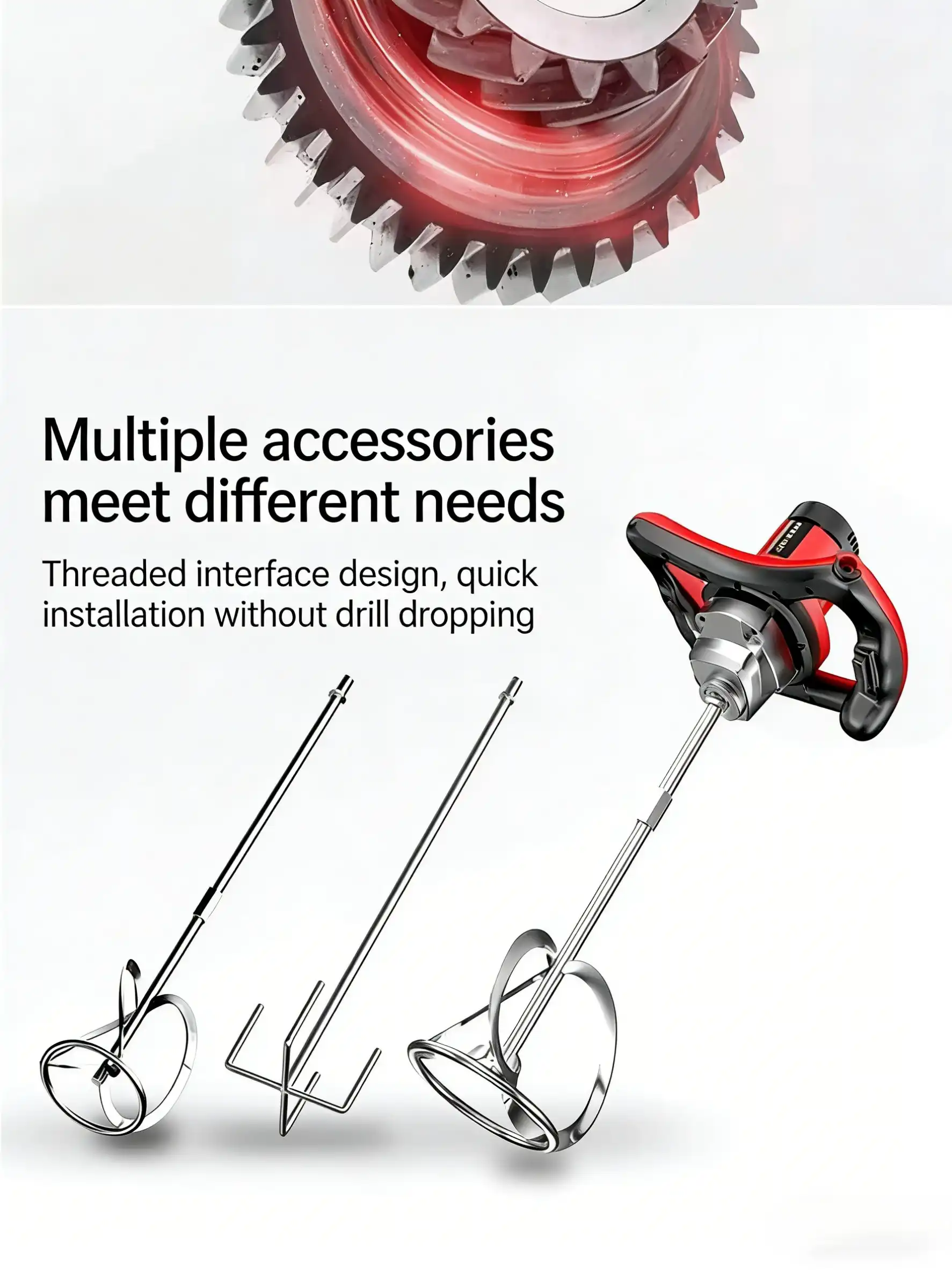
Why Industrial-Grade Electric Mixers Transform Construction Efficiency?
The construction industry has witnessed a significant shift toward powered mixing solutions, and for good reason. An Industrial-Grade Electric Mixer addresses fundamental challenges that contractors face daily on job sites. Unlike manual mixing methods or basic portable mixers, industrial-grade equipment combines robust engineering with intelligent design to handle demanding applications. These professional mixing tools feature high-torque motors that maintain consistent performance even when processing thick concrete, heavy mortars, or dense grout mixtures. The controlled mixing action ensures uniform material distribution, which research demonstrates can improve mixing consistency by up to thirty percent compared to manual techniques. This enhanced consistency translates directly into stronger, more durable finished structures that meet rigorous building codes and client expectations. Modern Industrial-Grade Electric Mixer designs incorporate multiple safety features and ergonomic considerations that protect workers while boosting productivity. Heavy-duty construction with reinforced components withstands the harsh conditions typical of construction environments, from dusty concrete work to wet plaster applications. The handheld S-type configurations popular in professional models offer excellent maneuverability, allowing operators to work efficiently in confined spaces or on elevated platforms. Variable speed controls enable contractors to adjust mixing intensity based on material viscosity, preventing over-mixing of sensitive compounds while ensuring thorough blending of stubborn ingredients. These professional features combine to create a mixing solution that handles diverse applications, from preparing adhesives for tile installation to blending specialized coatings for waterproofing projects.
Cost Efficiency and Return on Investment
Investing in an Industrial-Grade Electric Mixer delivers measurable financial benefits that extend far beyond the initial purchase price. Contractors who switch from manual mixing or inferior equipment consistently report significant time savings that translate into completing more jobs per week. The automation of mixing processes drastically reduces manual labor requirements, allowing skilled workers to focus on precision tasks that demand their expertise rather than exhausting themselves with repetitive mixing work. Research from occupational safety organizations confirms that powered mixers substantially decrease work-related injuries associated with overexertion, reducing workers' compensation claims and minimizing costly project disruptions due to injured personnel. The operational cost advantages of electric mixers further strengthen their value proposition. Electric power proves significantly cheaper than gasoline over time, and the simplified mechanical design of electric motors requires minimal maintenance compared to gas-powered alternatives. An Industrial-Grade Electric Mixer eliminates ongoing fuel costs, spark plug replacements, oil changes, and carburetor maintenance that burden gas-powered equipment. The enclosed motor design protects internal components from dust and moisture, extending service life and reducing repair frequency. For contractors managing multiple projects simultaneously, the ability to plug into standard electrical outlets or generators eliminates the logistics of fuel storage and transportation that complicate gas-powered mixer deployment.
Superior Mixing Performance for Professional Results
The performance characteristics of an Industrial-Grade Electric Mixer directly address the most critical aspect of construction work: material quality. Professional-grade mixers employ powerful motors typically ranging from five to twenty horsepower, providing ample torque to process dense building materials without bogging down or stalling. The consistent rotational speed maintains uniform mixing action throughout the entire batch, preventing the separation or incomplete blending that compromises material performance. Advanced speed regulation systems, including six-speed adjustment capabilities in premium models, allow operators to precisely match mixing intensity to specific material requirements. This precision control proves essential when working with different construction materials that each demand unique mixing approaches. Thick concrete mixes require slower, more forceful agitation to ensure aggregate distribution, while thin paint or coating materials need faster speeds to achieve proper suspension without introducing excessive air bubbles. An Industrial-Grade Electric Mixer handles this spectrum of applications through intelligent engineering that balances power delivery with controllable output. The S-type stirring components featured in professional models create efficient material flow patterns that draw ingredients from the container bottom and sides, eliminating dead spots where unmixed material can accumulate. This thorough mixing action ensures that every portion of the batch receives identical treatment, producing consistent results that meet or exceed manufacturer specifications for material performance.
Key Features That Define Industrial-Grade Quality
Understanding the technical specifications that distinguish professional equipment from consumer-grade alternatives helps contractors make informed purchasing decisions. An Industrial-Grade Electric Mixer incorporates several critical design elements that justify its classification as professional construction equipment. The motor construction represents the foundation of performance, with enclosed non-ventilated housings protecting electrical components from the harsh environment of active job sites. These heavy-duty motors maintain steady power output under load, preventing the performance degradation and premature failure common in lightweight consumer models. The structural components of professional mixers employ reinforced materials selected for durability under demanding conditions. Stainless steel shafts resist corrosion from wet concrete and chemical additives, maintaining precise balance even after extended use. The gear reduction systems in industrial models convert motor speed into the high torque necessary for processing viscous materials, while overload protection circuits prevent motor damage if the mixer encounters resistance beyond its capacity. Professional-grade mixers include M14 standard threads for universal paddle compatibility, allowing contractors to select stirring components optimized for specific materials and container geometries.
Versatility Across Multiple Applications
The true value of an Industrial-Grade Electric Mixer emerges from its ability to handle diverse mixing challenges across various construction and renovation scenarios. These versatile tools excel at preparing concrete for foundation work, mixing mortar for masonry projects, blending grout for tile installation, combining paint for finishing work, and preparing specialty compounds like epoxy adhesives or waterproofing membranes. This multi-application capability eliminates the need for multiple specialized mixing tools, reducing equipment investment and simplifying job site logistics. Contractors working on commercial projects appreciate the consistency that professional mixers bring to large-volume material preparation, ensuring that every batch meets identical quality standards regardless of which crew member operates the equipment. The handheld design philosophy embraced by leading Industrial-Grade Electric Mixer manufacturers balances power with portability. Despite their robust construction and powerful motors, these professional tools remain manageable for single-operator use, allowing flexibility in deployment across different work areas. The ability to mix materials directly in buckets, wheelbarrows, or specialized containers reduces material transfer steps that waste time and create opportunities for contamination. Safety features including lock-on buttons for continuous operation and quick-release switches for emergency stops reflect the safety-conscious design approach required for professional construction equipment.
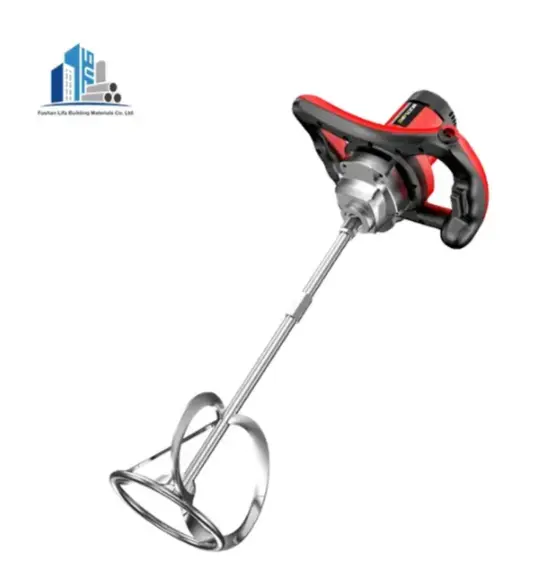
Selecting the Right Industrial-Grade Electric Mixer for Your Needs
Choosing an appropriate Industrial-Grade Electric Mixer requires careful consideration of several factors that influence long-term satisfaction and performance. Material viscosity stands as the primary selection criterion, as the thickness of your typical mixing applications determines the motor power and gear reduction ratio necessary for effective operation. Contractors primarily working with thin materials like paint or liquid additives can select lighter-duty models with direct-drive motors, while those frequently mixing concrete or thick mortar require heavy-duty gear-reduced designs that deliver maximum torque. The batch volume you typically process also influences mixer selection, as larger capacity requirements demand more powerful motors to maintain mixing efficiency throughout the entire batch. Power requirements deserve attention during the selection process, particularly for contractors working on remote job sites or in areas with limited electrical infrastructure. Most professional Industrial-Grade Electric Mixer models operate on standard household voltage, allowing them to connect to any available outlet or small generator. Some heavy-duty units require higher voltage connections that provide the current necessary for sustained high-power operation, making them better suited for established work sites with robust electrical service. The availability of multiple voltage options allows international contractors to select equipment compatible with regional power standards, ensuring reliable operation regardless of location.
Quality Indicators and Certification Standards
Reputable manufacturers of Industrial-Grade Electric Mixer equipment pursue quality certifications that validate their commitment to professional standards. ISO 9001 certification demonstrates that a manufacturer maintains comprehensive quality management systems covering design, production, and customer service. This internationally recognized standard ensures consistent product quality and reliable performance across production runs. European CE marking indicates compliance with health, safety, and environmental protection standards required for equipment sold in European markets, while RoHS compliance confirms that materials used in construction meet restrictions on hazardous substances. These certifications provide contractors with confidence that their mixing equipment meets rigorous professional standards developed through extensive industry experience and testing. Professional-grade mixers incorporate materials selected for both performance and safety, with food-grade stainless steel options available for contractors working on projects involving potable water systems or food preparation facilities. The attention to detail evident in certified equipment extends throughout the product lifecycle, from initial design and manufacturing through packaging, shipping, and after-sale support. Contractors investing in certified Industrial-Grade Electric Mixer equipment gain peace of mind knowing their tools meet or exceed the standards demanded by discriminating professional users worldwide.
Maintenance and Longevity of Industrial-Grade Equipment
The durability advantage of an Industrial-Grade Electric Mixer becomes apparent through years of reliable service when contractors follow basic maintenance protocols. The simplified mechanical design of electric mixers compared to gas-powered alternatives significantly reduces maintenance requirements and extends operational life. Regular cleaning after each use prevents material buildup that can unbalance rotating components or stress motor bearings. The enclosed motor housings that protect against dust and moisture ingress require only periodic inspection to ensure seals remain intact and ventilation openings stay clear. Proper storage practices further extend mixer life by protecting equipment from environmental factors that accelerate wear. Storing mixers in dry, temperature-controlled environments prevents rust formation on metal components and protects electrical connections from moisture damage. The stainless steel shafts and paddles used in professional Industrial-Grade Electric Mixer designs resist corrosion naturally, but periodic inspection for wear or damage helps identify issues before they compromise performance. Contractors maintaining detailed service records can schedule bearing replacements, gear lubrication, and electrical system inspections based on actual usage patterns, optimizing maintenance intervals for maximum efficiency.
Troubleshooting Common Issues
Understanding common Industrial-Grade Electric Mixer issues and their solutions helps contractors maintain productivity even when problems arise. Motor overheating typically indicates overloading from mixing materials beyond the equipment's capacity or extended continuous operation without cooling breaks. Addressing overheating requires assessing batch sizes, material viscosity, and mixing duration to ensure they fall within manufacturer specifications. Unusual vibrations during operation often signal unbalanced paddles from material buildup or damage, requiring immediate shutdown and inspection to prevent bearing damage. Reduced mixing efficiency where materials fail to blend properly despite normal motor operation suggests worn or damaged mixing paddles that no longer create effective flow patterns. Replacing paddles restores mixing performance and represents routine maintenance rather than equipment failure. Electrical issues manifesting as intermittent operation or failure to start typically involve power supply problems, worn switches, or degraded electrical connections. Systematic troubleshooting beginning with basic checks of power sources and extension cords often identifies simple solutions before concluding that professional repair services are necessary. The robust construction of professional Industrial-Grade Electric Mixer equipment means that most issues arise from wear on replaceable components rather than fundamental mechanical or electrical failures.
Conclusion
An Industrial-Grade Electric Mixer delivers transformative benefits for contractors seeking efficiency, consistency, and professional results across diverse construction applications.
Cooperate with Foshan Lifa Building Materials Co., Ltd.
Partner with Foshan Lifa Building Materials Co., Ltd., your trusted China Industrial-Grade Electric Mixer manufacturer and China Industrial-Grade Electric Mixer supplier. We offer competitive Industrial-Grade Electric Mixer price points as a leading China Industrial-Grade Electric Mixer factory providing High Quality Industrial-Grade Electric Mixer solutions. Our China Industrial-Grade Electric Mixer wholesale options and Industrial-Grade Electric Mixer for sale inventory support immediate project needs. With ISO 9001, CE, and RoHS certifications, extensive inventory, OEM/ODM customization, and expert technical support, we deliver professional mixing solutions to contractors worldwide. Contact us at wz@jiancaiqy.com to discuss your requirements and receive personalized recommendations.
References
1. American Concrete Institute. "Standards for Mixing and Quality Control in Concrete Construction." Technical Committee Report, 2024.
2. National Institute for Occupational Safety and Health. "Ergonomic Guidelines for Construction Equipment Operation and Worker Safety." Department of Health and Human Services Publication, 2023.
3. International Organization for Standardization. "Quality Management Systems for Industrial Equipment Manufacturing - ISO 9001:2015 Implementation Guide." Geneva: ISO Press, 2022.
4. Construction Industry Research and Information Association. "Best Practices in Material Preparation for Commercial Construction Projects." Technical Report Series, 2024.
5. European Committee for Standardization. "Safety Requirements for Construction Mixing Equipment and Powered Hand Tools - CE Conformity Standards." Brussels: CEN Publications, 2023.
Learn about our latest products and discounts through SMS or email